UK Joins 128 Nations in Bid to Limit Security Council Veto
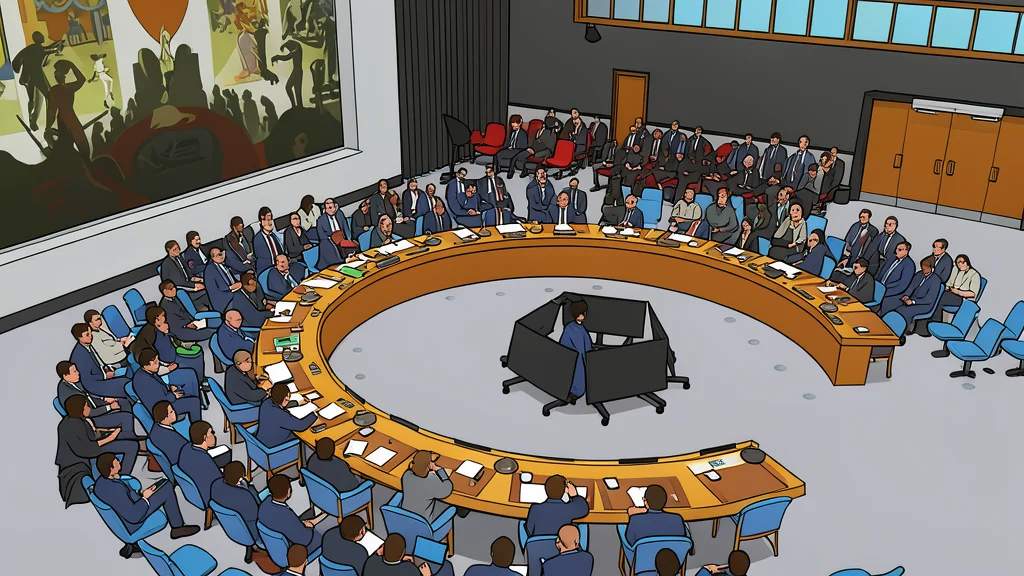
London’s endorsement marks a pivotal shift in diplomatic efforts to curb veto power during mass atrocities, bringing total support to 128 states.
Key points
- The UK has joined a French-Mexican initiative to limit veto use in cases of genocide and crimes against humanity.
- The number of countries supporting the initiative has risen to 128, including 21 new signatories from the last four months.
- This is the first time this year that a second permanent UN Security Council member with veto power has endorsed the proposal.
The United Kingdom has formally aligned itself with a long-standing diplomatic effort to restrict the use of the veto in the UN Security Council during cases of genocide and crimes against humanity. According to the French Foreign Ministry, this move represents a significant escalation in the initiative’s momentum, as it marks the first time this year that a second permanent member with veto authority has joined the coalition.
As reported by Anadolu Ajansı, the UK’s participation brings the total number of endorsing countries to 128. The ministry noted that over the past four months, 21 additional nations from the Caribbean, South America, and Asia had also signed on, reflecting a broadening consensus among states outside the core permanent membership.
Origins of the Voluntary Restraint Proposal
The initiative was originally launched in 2015 by France and Mexico. Its core mechanism is a call for the five permanent members of the Security Council to voluntarily refrain from exercising their veto power when the council is deliberating on situations involving genocide, crimes against humanity, or large-scale war crimes.
This framework was designed to prevent the council from becoming deadlocked in the face of mass atrocities. By encouraging self-restraint among the most powerful members, the proposal aims to ensure that the Security Council can function effectively as a global peacekeeping body even in its most critical moments.
Diplomatic Implications for Permanent Members
The inclusion of the UK is viewed as a notable development because it involves a second permanent member alongside France. While the proposal relies on voluntary compliance rather than binding legal changes, the endorsement by major powers adds significant political weight to the argument for accountability.
China, Russia, and the United States remain the other permanent members with veto power. Their continued reluctance to join such initiatives suggests that deep structural disagreements persist regarding the scope and application of collective security mandates in the international system.
Future Trajectory of Security Council Reform
With 128 countries now supporting the framework, the diplomatic pressure on the remaining permanent members is likely to intensify. Observers will be watching closely to see if this growing coalition can translate its political support into concrete procedural changes or normative shifts within the council.
The next few months may reveal whether the UK’s participation serves as a precedent for further engagement or if it remains an isolated diplomatic gesture. The ultimate test of the initiative will be its application in real-world crises, where the choice to veto or abstain will determine its practical impact.