Kremlin Defends UN Veto While Pushing for Expanded Permanent Seats
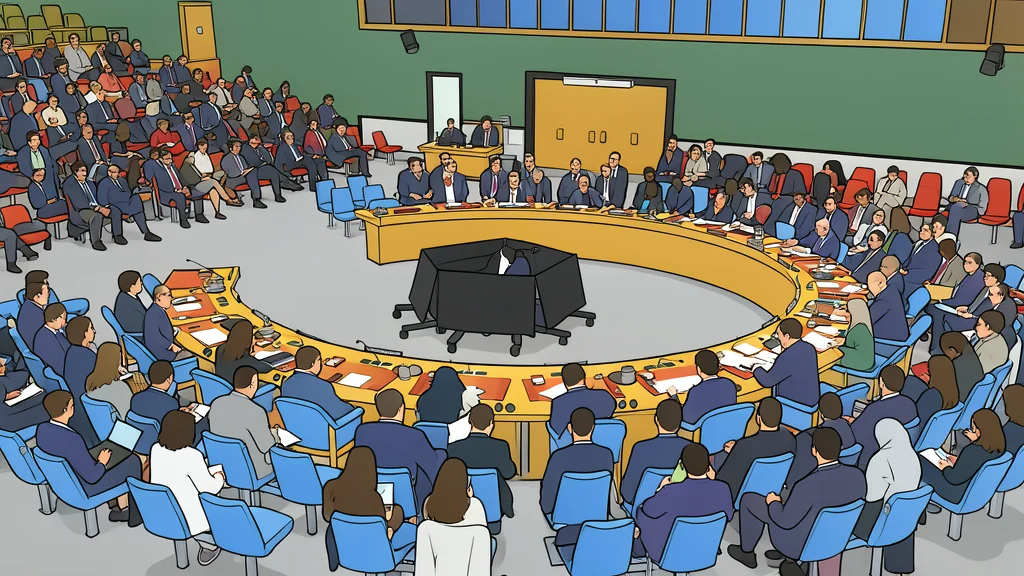
Moscow rejects Ankara's call to abolish the veto, arguing that expanding permanent membership is the necessary path to reform.
Key points
- The Kremlin rejects Erdogan's call to abolish the UN Security Council veto, stating it is a vital structural element.
- Russia supports expanding permanent membership to include new states but insists the current veto system must remain.
- Türkiye has proposed a diplomatic framework to end strikes on ships in the Black Sea, discussed in recent Putin-Erdogan talks.
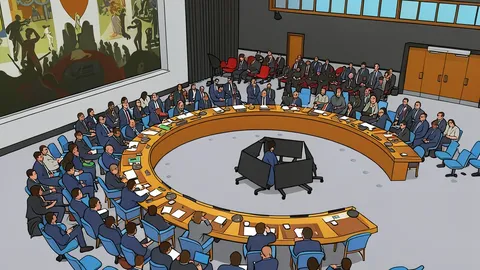
The Kremlin has moved to defend the core structural integrity of the United Nations Security Council, explicitly rejecting President Recep Tayyip Erdogan's recent proposal to abolish the veto power. According to Türkiye Today, Russian officials stated on Tuesday that while they support the expansion of permanent membership, the veto remains a critical component of the UN's global architecture.
This diplomatic stance highlights a significant divergence in reform strategies between Ankara and Moscow. While Turkey advocates for a system based on elected fixed-term seats to address power imbalances, Russia insists that the current five-veto system must be preserved, even as new actors are granted permanent status on the council.
Divergent Visions for Council Reform
Kremlin spokesman Dmitry Peskov articulated Russia’s position, emphasizing that the institution of permanent members and the associated right of veto are indispensable to the UN's structure. Peskov argued that the council must be reformed to include new states and inter-state entities, but he firmly maintained that eliminating the veto would undermine the organization's stability.
In contrast, President Erdogan has called for a comprehensive overhaul that removes the veto privilege entirely. In a recent article for Bloomberg, he proposed a council composed of members elected by the General Assembly for fixed terms. Erdogan argued that merely adding new permanent seats, as Russia suggests, would fail to resolve the underlying concentration of power held by the current five veto-wielding nations.
Ankara Pushes for Black Sea Security
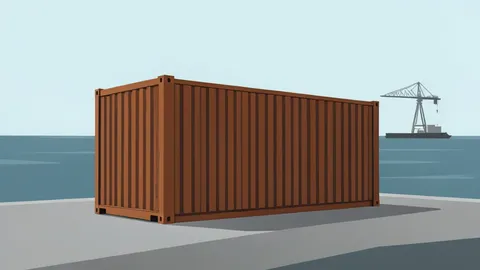
Beyond the structural debate, diplomatic efforts are also focused on regional security in the Black Sea. Peskov confirmed that Türkiye has proposed a framework aimed at ending Russian and Ukrainian strikes on ships in the region. He noted that this initiative was discussed during recent high-level contacts between Putin and Erdogan in Bishkek and has been included in subsequent diplomatic correspondence.
Ankara has reportedly shared this proposal with both Moscow and Kyiv, seeking to ensure the safety of maritime routes. This diplomatic push coincides with Russia's stated efforts to establish alternative transportation routes for grain exports that bypass the contested waters of the Black Sea, a move intended to mitigate the impact of ongoing hostilities on global trade.
Forward Momentum in Diplomatic Channels
The immediate next steps will likely hinge on whether the two sides can find common ground on the definition of 'reform.' While both nations agree the council is outdated, their proposed solutions are fundamentally incompatible. Observers will watch for any further diplomatic correspondence between Ankara, Moscow, and Kyiv regarding the Black Sea shipping safety initiative.
As the global community debates the future of multilateral institutions, the clash between Turkey's accountability-focused model and Russia's expansionist approach underscores the difficulty of achieving consensus. The coming months will reveal whether these competing visions can be bridged or if the institutional deadlock will persist in the face of evolving geopolitical realities.