UN Chief Backs Indian Push for Security Council Reform
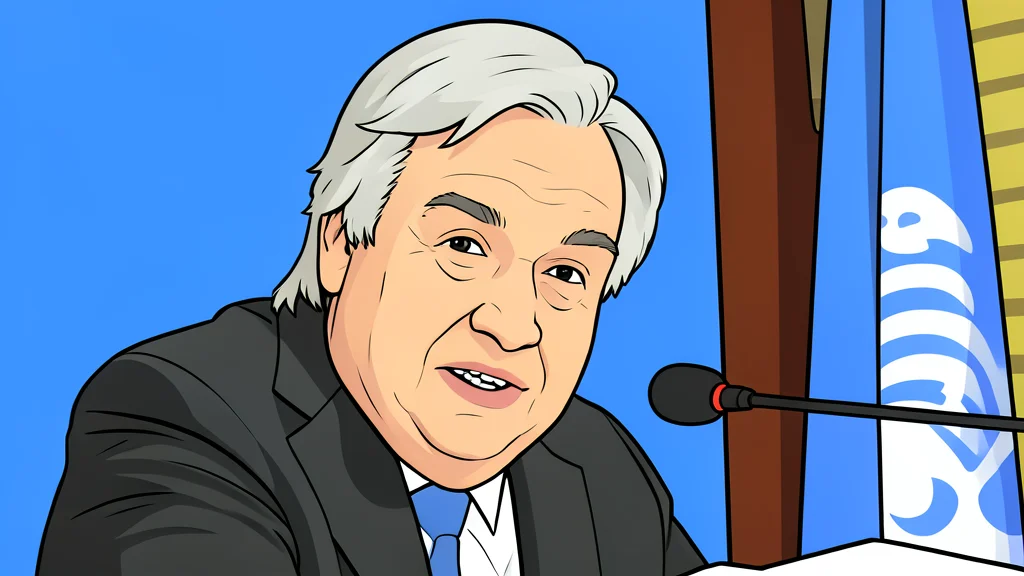
Secretary-General Antonio Guterres aligned with New Delhi's diplomatic push, arguing that global institutions must evolve to reflect the current multipolar landscape.
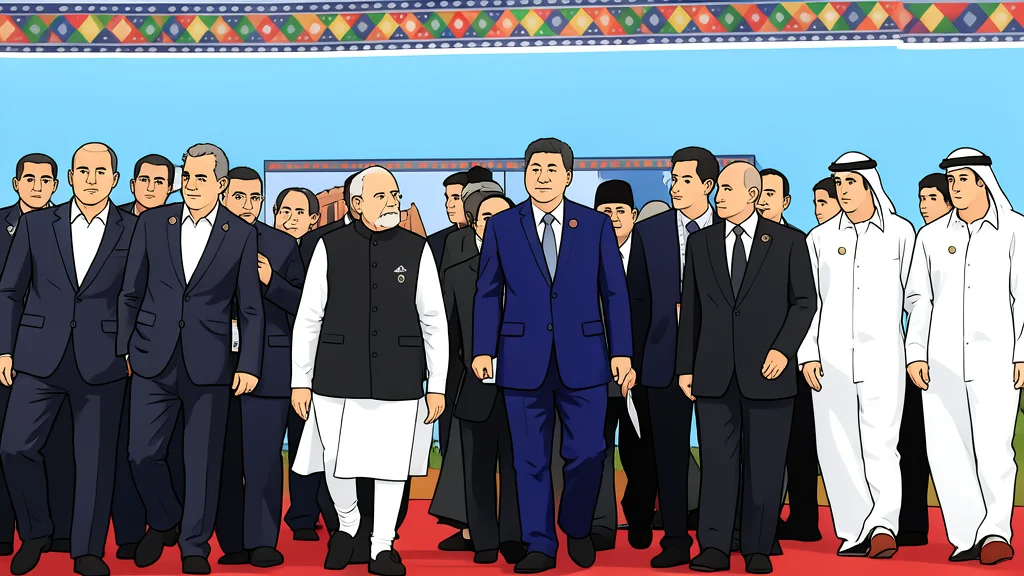
United Nations Secretary-General Antonio Guterres endorsed the call for United Nations Security Council reform during the BRICS Summit in New Delhi. Speaking on Sunday, he acknowledged that the geopolitical and economic realities of the twenty-first century diverge significantly from the post-World War II order established in 1945. According to Guterres, institutional structures must adapt to these changing dynamics to remain relevant and effective in governing global affairs.
The Secretary-General's remarks followed Prime Minister Narendra Modi's address on Saturday, where Modi advocated for a shift in the Global South's role from passive rule-takers to active rule-shapers. Guterres highlighted India's prominent position in demanding an expanded Security Council, noting that major emerging nations have increasingly sought greater representation in global decision-making bodies to ensure a more equitable international system.
Shifting Toward Multipolar Governance
Guterres emphasized that the world is moving irreversibly toward a multipolar structure, which he argued brings necessary balance to global systems. However, he cautioned that this transition requires comprehensive reforms across multilateral institutions, including the Bretton Woods framework. The New Delhi declaration, supported by China and Russia, reiterated backing for India and Brazil to assume greater responsibilities within the United Nations, underscoring a broad consensus among BRICS nations for structural change.
The Security Council has remained unchanged since its inception, with five permanent members holding veto power. According to reports from the GN geopolitics desk, the current composition no longer reflects the distribution of global power or population. Guterres suggested that reforming these bodies is essential to prevent institutional stagnation and to ensure that the voices of developing countries are adequately represented in critical international decisions.
Economic Justice and Digital Equity
Beyond structural reform, Guterres outlined an agenda focused on economic financing and technological equity. He called for Multilateral Development Banks to adopt bolder business models that mobilize private investment while expanding concessional funding for developing nations. Additionally, he warned that the rapid advancement of artificial intelligence could exacerbate existing inequalities if access remains concentrated among a few corporations and countries, thereby widening divides in income, opportunity, and sovereignty.
The Secretary-General also addressed climate finance, stating that developed nations must fulfill their commitment to provide $300 billion annually to support climate action. He stressed the importance of responsibly managing critical minerals to ensure that producing countries and communities benefit from value addition and job creation. These economic measures are presented as integral to the broader goal of a fair and sustainable global order.
Reaffirming Commitment to International Law
Amid ongoing conflicts in the Middle East, Ukraine, and Sudan, Guterres urged states to adhere to their obligations under the UN Charter and international law. He highlighted the principles of sovereign equality, territorial integrity, and the peaceful settlement of disputes as foundational to global stability. The Secretary-General emphasized that the United Nations must remain at the center of the multilateral system, serving as a platform for dialogue and conflict resolution in an increasingly fragmented world.
As the summit concluded, the focus remains on translating these diplomatic statements into concrete policy changes. The next phase of this discourse will likely involve bilateral negotiations and further multilateral discussions to determine the scope and timeline for Security Council expansion. Observers will watch whether the momentum generated in New Delhi translates into actionable reforms that reshape the architecture of global governance.