Shifting US Iran Nuclear Strategy from Pressure to Leverage
Recent IAEA referrals and diplomatic backchannels highlight a critical pivot in the US-Iran nuclear standoff. The core issue is no longer just capability, but how to convert accumulated leverage into a durable political outcome.
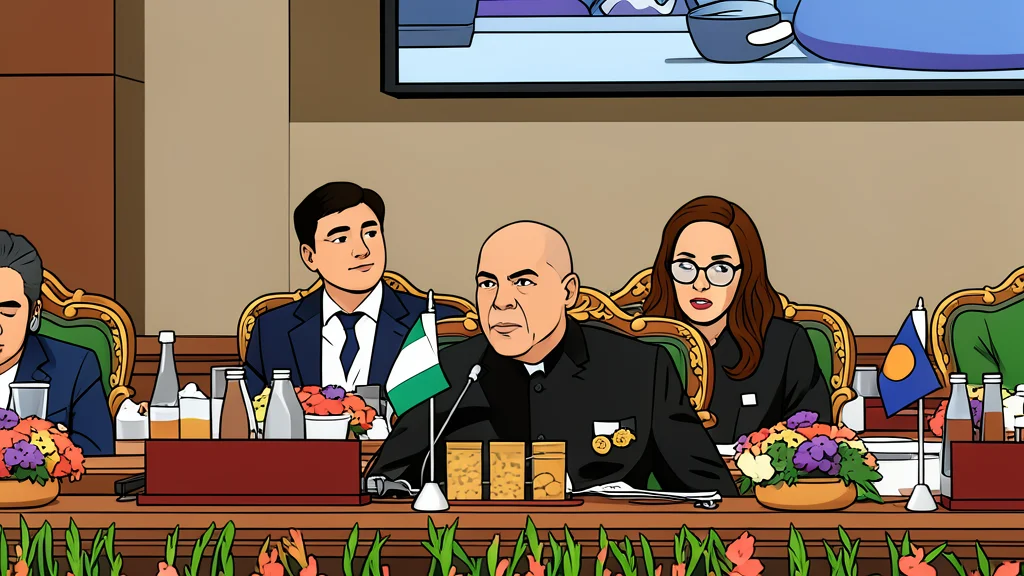
The nuclear confrontation between Washington and Tehran is currently moving in two distinct directions simultaneously. On September 9, the International Atomic Energy Agency’s Board of Governors referred Iran to the United Nations Security Council, marking the first such action of its kind in two decades. This procedural escalation occurred just a day before US President Donald Trump issued warnings regarding renewed activity near the Pickaxe Mountain complex close to Natanz. According to the GN geopolitics/nuclear report, this dual movement underscores a broader strategic ambiguity in how the US intends to utilize its current position.
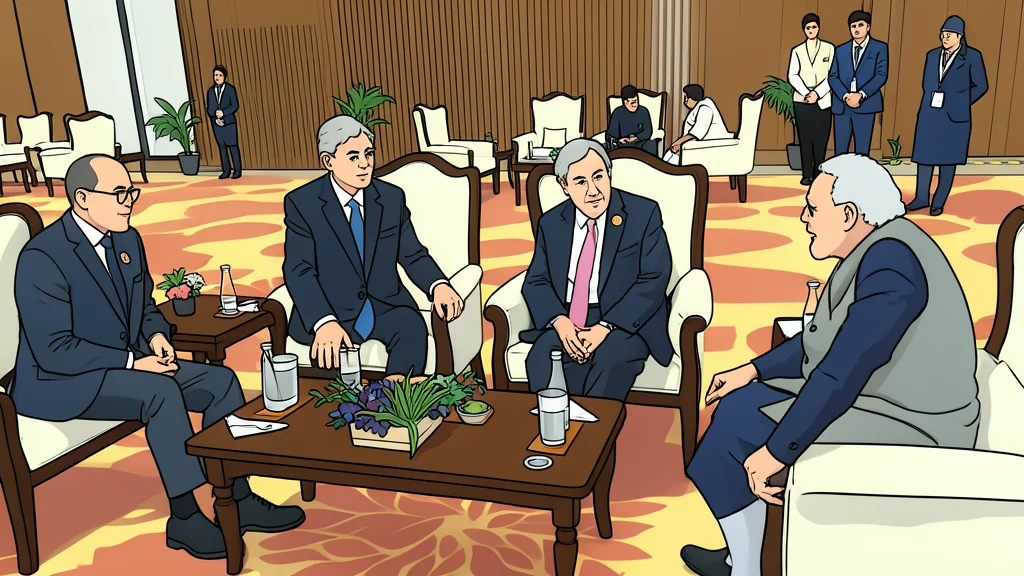
Despite the hardening of nuclear pressure, diplomatic channels remain active. Oman is reportedly preparing talks involving Iran and Gulf states concerning the future of the Strait of Hormuz, while Iran and the United Arab Emirates have joined other BRICS members in calling for restraint. The coexistence of escalating military and economic pressure with continuing diplomatic activity points to a central strategic question: what is the ultimate objective of the current pressure campaign?
Leverage Requires Political Conversion
The United States has accumulated substantial military and economic leverage over Iran, but this advantage holds strategic value only when converted into a political result. The Trump administration’s National Security Presidential Memorandum restored the policy of “maximum pressure,” declaring that Tehran must be denied every path to a nuclear weapon. However, military force can destroy facilities and delay a program, but it cannot erase technical knowledge or remove the political motivations driving nuclear policy. Sustained confrontation may even strengthen the internal argument within Iran that a more powerful deterrent is necessary to prevent future attacks.
Diplomacy is the mechanism that creates enforceable rules for limiting and verifying capabilities. A durable arrangement would need to address enrichment levels, uranium stockpiles, centrifuges, inspections, and sanctions mechanisms. Moving the dispute deeper into the UN system without maintaining a political channel risks generating additional pressure without creating a path towards resolution. Pressure is strategically useful when it improves the terms available at the negotiating table, but when it becomes permanent policy without a defined diplomatic destination, it imposes costs indefinitely while leaving the underlying dispute unresolved.
Defining the Negotiated Settlement
The objective should be straightforward: achieving the greatest possible verifiable restrictions at the lowest sustainable strategic cost. This approach is not appeasement, but rather bargaining from strength. Washington has at times recognized this distinction, such as when it temporarily paused military action in July to provide additional room for negotiations. The principle behind that decision remains valid: maintain leverage, but decide explicitly what that leverage is intended to buy. A diplomatic alternative cannot simply consist of general assurances; it must be a structured agreement that accounts for the complexities of verification and long-term stability.
Forward Strategic Considerations
The coming weeks will likely determine whether the current trajectory leads to a verifiable agreement or a prolonged stalemate. Observers should watch for the outcome of the Omani-mediated talks regarding the Strait of Hormuz and any further actions by the UN Security Council following the IAEA referral. The key indicator will be whether Washington explicitly defines the diplomatic destination for its pressure campaigns. If the US continues to treat sanctions and military deterrence as open-ended policies rather than tools for negotiation, the risk of escalating regional conflict increases. The central question remains whether power can be successfully transformed into an enduring outcome.