UN Chief Urges Council Reform Amid Power Divisions
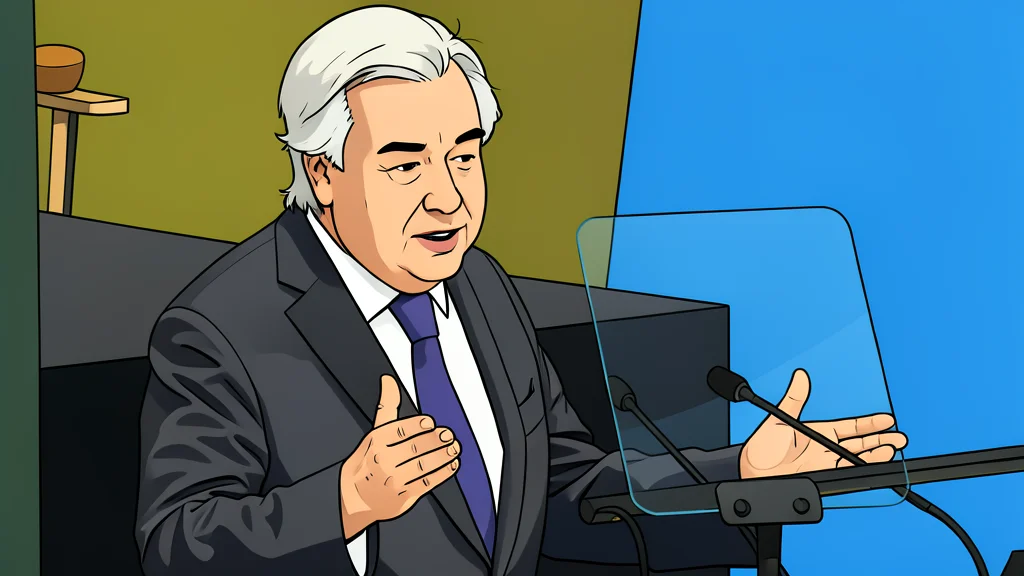
The United Nations Secretary-General has identified structural flaws in the Security Council as a primary cause of global instability, urging immediate changes to the body's composition to reflect contemporary geopolitical realities.
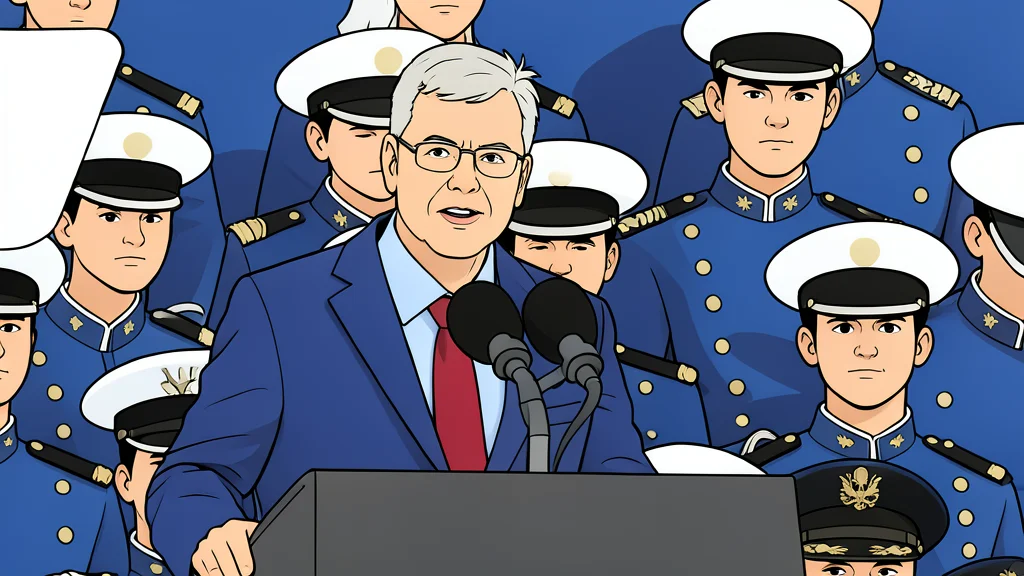
Antonio Guterres has warned that the Security Council is suffering from a state of dysfunction that undermines its ability to maintain international peace. Speaking at a recent press conference, the UN Secretary-General attributed this stagnation directly to the conduct of major powers, suggesting that the current structure no longer aligns with the modern international order. He emphasized that the inability of the council to act effectively has created a vacuum in global governance.
According to the UN Secretary-General, some of the most influential members of the council have been observed violating international norms while simultaneously holding veto power. Guterres described this contradiction as a central factor in the body's paralysis. He argued that when powerful states act without restraint, it sends a damaging signal to the rest of the world, encouraging other nations to pursue their interests with impunity rather than adhering to multilateral frameworks.
Structural Mismatch With Current Reality
The Secretary-General stated that the council's composition reflects a political landscape from decades ago rather than the present day. This historical discrepancy, he noted, is a significant contributor to the ongoing gridlock. By maintaining a structure that does not account for the shift in global power dynamics, the institution fails to provide an effective platform for resolving contemporary conflicts. The call for reform is framed not merely as an administrative update, but as a necessary correction to ensure the council remains relevant.
Guterres highlighted that the failure to adapt has emboldened state actors to disregard established rules. He explained that the perception of impunity arises because the primary body responsible for enforcing peace and security is unable to function cohesively. This dynamic creates a dangerous precedent where the strongest powers set the tone for international behavior, bypassing the consensus-building mechanisms that are central to the UN's mission.
Distribution Of Power And Influence
At the core of the issue, according to the UN leadership, is the fundamental question of how power is distributed and exercised globally. The Secretary-General suggested that the current arrangement prevents multilateral institutions from acting with the authority they require. When the major powers are divided or act in self-interest, the collective decision-making process is stifled. This results in a system where the most powerful states can effectively block actions that do not align with their immediate strategic goals.
This perspective implies that technical adjustments to the council's membership may be insufficient if the underlying political will for cooperation remains absent. The argument presented is that the paralysis is not just a procedural failure but a reflection of deeper geopolitical fractures. Until the distribution of influence within the council is addressed, the institution may continue to struggle with its core mandate of maintaining global security.
Implications For Future Multilateral Action
The push for urgent reform signals a growing frustration with the status quo among international observers and diplomats. If the council remains unable to adapt, the effectiveness of the entire multilateral system could be further eroded. The next steps will likely involve increased diplomatic pressure on member states to engage in substantive negotiations regarding the council's structure. The focus will remain on whether there is sufficient consensus to challenge the entrenched interests of the permanent members.
Observers will watch for any concrete proposals or diplomatic initiatives that emerge from these statements in the coming weeks. The extent to which major powers are willing to compromise on their current privileges will be the key indicator of progress. As the geopolitical landscape continues to evolve, the ability of the Security Council to respond to crises with unity and authority will be tested even more severely, making the debate over its future composition increasingly critical.