US Space Weapon Deployment Challenges 1967 Treaty Framework
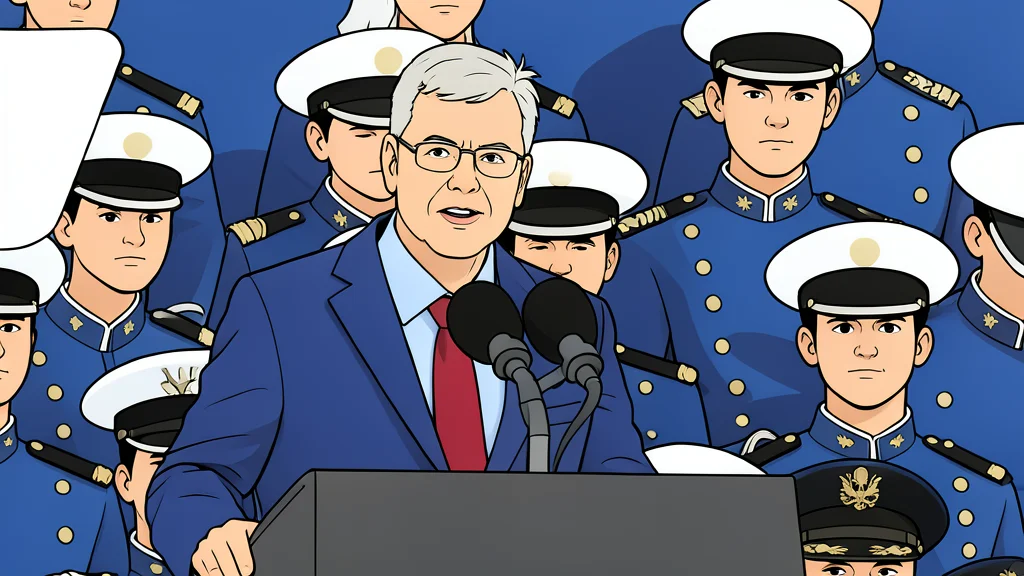
The US Air Force has acknowledged the deployment of on-orbit space control weapons, a development that experts say may strain the existing international legal framework governing the final frontier.
In a development that has drawn immediate scrutiny from geopolitical analysts, the United States has confirmed the deployment of what it describes as on-orbit space control weapons. The announcement, made by the US Air Force secretary, left specific details regarding the nature of these systems classified. However, the admission marks a significant shift in the strategic landscape, prompting concerns among international observers about the potential escalation of military competition in outer space.
This move places direct pressure on the 1967 Outer Space Treaty, a cornerstone of international law signed by at least 118 nations, including the US, China, Russia, and India. While the treaty prohibits the placement of weapons of mass destruction in orbit and the militarization of celestial bodies, it does not explicitly ban conventional counter-space technologies or systems in low-Earth orbit. The ambiguity surrounding the newly deployed systems has raised questions about how close the global community is to a new era of strategic instability in space.
Historical Precedents in Space Conflict
The capability to conduct military operations in space is not new. As noted in reporting from GN auto geopolitics/global, various nations have demonstrated such capabilities for decades without violating the 1967 treaty. In 1975, the Soviet Union remotely fired shells from the Salyut-3 station, while China and India conducted anti-satellite tests in 2007 and 2019, respectively, by destroying their own defunct satellites using ground-launched missiles. Additionally, both China and Russia have developed electronic warfare capabilities in space. These historical actions highlight the long-standing tension between national security interests and the spirit of the Outer Space Treaty.
The US approach to space militarization has also evolved gradually over the past two decades. Recommendations from the 2001 Space Commission suggested granting the President the option to deploy weapons in space to deter threats. This trajectory accelerated with the US withdrawal from the Anti-Ballistic Missile Treaty in 2002 and the subsequent establishment of the US Space Force in 2019. According to experts, the current deployment is the culmination of a strategic policy that has been in development for at least a quarter-century.
Legal Gaps and Treaty Limitations
Critics argue that the current legal framework is ill-equipped to handle the realities of modern space operations. The 1967 treaty bans the national appropriation of celestial resources, but this provision is being weakened by the rise of commercial mineral extraction initiatives by several countries. Furthermore, justifying the placement of weapons in space by citing threats from unnamed adversaries is viewed by some as a dangerous precedent. While defending against natural threats like asteroids is a legitimate goal, the dual-use nature of space technology complicates the distinction between defensive and offensive capabilities.
Future of International Space Law
The deployment of these systems underscores the urgent need to update international space law to reflect contemporary technological and geopolitical realities. As nations continue to develop capabilities for both defense and offense in orbit, the ambiguity of existing treaties may lead to misinterpretation and accidental escalation. The international community must now consider how to redefine the boundaries of acceptable behavior in space to ensure the safety of all actors and preserve the long-term sustainability of the orbital environment.