UN Chief Urges Fundamental Shift in Peacekeeping Strategy
António Guterres argues that traditional peacekeeping models are failing to address the complexities of modern armed conflicts, calling for a renewed focus on political solutions and host-country partnerships.
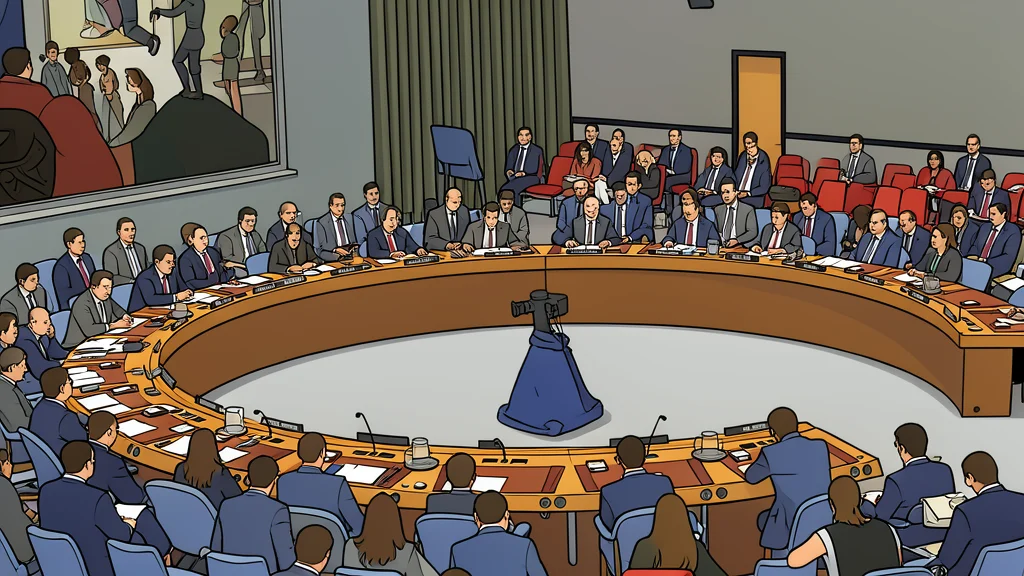
United Nations Secretary-General António Guterres has called for a comprehensive review of how the organization deploys and supports its peacekeeping missions. Speaking during a Security Council session in New York, he argued that the changing nature of armed conflict has exposed significant limitations in current operational frameworks. According to reports from Anadolu Agency, the Secretary-General emphasized that peacekeeping is fundamentally a political instrument designed to support diplomatic solutions rather than serve as a substitute for them.
Guterres noted that comprehensive peace agreements have become increasingly rare, fragile, and difficult to secure. As a result, most active missions now operate in environments where a stable peace has not yet been established. He stressed that while peacekeepers can help preserve a ceasefire, they cannot guarantee lasting stability without a solid political settlement. This distinction highlights a growing gap between the operational presence of international forces and the political realities on the ground.
Political Prerequisites for Deployment
The Secretary-General identified intensifying diplomatic efforts before the arrival of troops as the primary priority for the UN. He proposed that missions should only be deployed when a peace agreement exists or at least a credible ceasefire is in place. This approach aims to ensure that peacekeepers are supporting a political trajectory rather than merely managing a stalemate. He warned that without such preconditions, the effectiveness of these operations remains limited.
Furthermore, Guterres drew attention to the escalating risks faced by international personnel and local populations. He highlighted that peacekeepers are increasingly subject to attacks, while civilians remain vulnerable targets. The Secretary-General also pointed to a troubling trend of violations of international law occurring with a sense of impunity. These factors underscore the urgent need for a strategic reassessment of how the UN engages in conflict zones.
Renewing Partnerships with Host Nations
A second key priority outlined by Guterres involves a new format of partnership with host countries. He called for deeper consultations with local governments when establishing or renewing mission mandates. This process should also incorporate the perspectives of other conflict parties and civil society groups. By aligning mandates more closely with local conditions, the UN aims to enhance the relevance and acceptance of its operations.
In addition to political engagement, the Secretary-General advocated for greater operational flexibility and improved protection for civilians. He suggested that the planning, resource allocation, and mandate-setting stages must prioritize civilian safety. He also emphasized the importance of stronger cooperation between the UN and regional organizations. However, he maintained that the ultimate effectiveness of peacekeeping relies on the political unity of Security Council members, a dynamic that cannot be replaced by technology or budget increases.
Distinguishing Peacekeeping from Enforcement
Guterres made a clear distinction between peacekeeping and peace enforcement, noting that the two require different mandates and resources. He stressed that peacekeeping depends heavily on the consent of the parties involved and the political will of the Security Council. According to GN geopolitics/un, this reliance on political unity remains the critical variable in determining the success of any mission. Without this consensus, the UN risks being perceived as ineffective or biased.
The call for a review of these operations comes at a time when the UN faces mounting pressure to justify its presence in complex conflicts. As the geopolitical landscape shifts, the organization must adapt its methods to remain relevant. The forward question remains how the Security Council will respond to these recommendations and whether a consensus can be reached on a new operational doctrine that balances political goals with military realities.