UN General Assembly Convenes Amid Budget Crisis and Security Vetoes
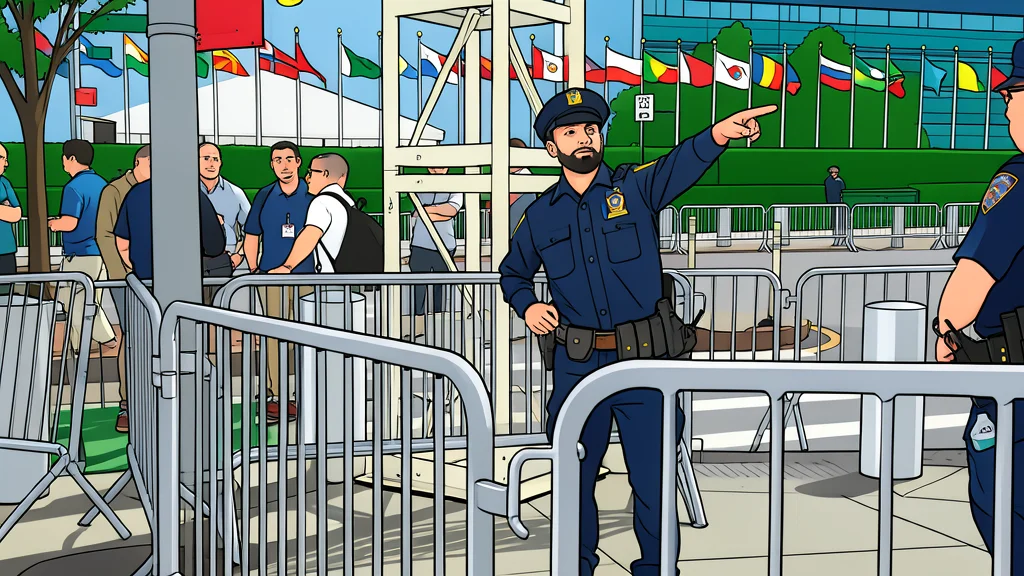
Leaders gather in New York as the UN faces funding shortfalls and questions over its ability to resolve ongoing global conflicts.
Key points
- The UN General Assembly meets in New York as the organization faces a significant budget deficit due to unpaid US dues.
- Critics cite recent Security Council vetoes by the US and Russia as evidence of the body's inability to resolve major conflicts.
- Despite political gridlock, the UN reports providing essential humanitarian aid, including water and cash assistance, to millions in Gaza.
The United Nations General Assembly is set to convene in New York this week, marking one year since President Donald Trump publicly questioned the organization's relevance. Approximately 130 world leaders are expected to attend the annual session, which will feature high-profile speeches from figures including Ukrainian President Volodymyr Zelenskyy, Israeli Prime Minister Benjamin Netanyahu, and Iranian President Masoud Pezeshkian.
According to vox.com, the meeting takes place at a moment of significant institutional strain. The organization is navigating a severe budgetary shortfall, largely attributed to the United States not paying its full dues, while simultaneously facing criticism for its inability to mediate conflicts in Ukraine, Gaza, and Iran. Despite these challenges, the UN remains a central stage for diplomatic engagement, with President Trump scheduled to deliver a speech and hold a series of bilateral meetings.
Funding shortfalls strain operations
The current financial crisis has raised concerns about the sustainability of UN programs worldwide. The refusal by the United States to meet its full financial obligations has created a substantial deficit, limiting the organization's capacity to respond to emergencies. This fiscal pressure comes at a time when humanitarian needs are acute, placing additional burdens on staff and resources that are already stretched thin.
Security Council vetoes persist
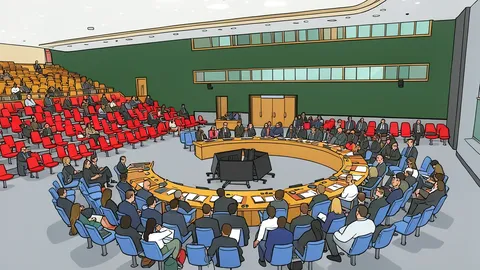
Critics argue that the Security Council’s structure hampers its effectiveness in maintaining international peace. The power of permanent members to unilaterally block resolutions has been used in recent years to stop demands for ceasefires or condemnations of territorial annexations. For instance, the United States recently vetoed a resolution calling for a permanent ceasefire in Gaza, a move that has intensified debates about the body's legitimacy and utility.
However, analysts note that such gridlock is historically consistent with the organization’s design, particularly during periods of great power competition. While the Security Council may be stalled, the broader UN apparatus continues to function as a massive humanitarian network. In Gaza alone, the organization reported providing clean water to 1.6 million people and distributing nearly $55 million in cash assistance last year, demonstrating a continued operational presence despite political impasses.
Diplomatic talks drive agenda
Behind the public speeches, the most consequential activity is likely to occur in private bilateral meetings. President Trump has a packed schedule for Monday and Tuesday, including discussions with Ukrainian President Zelenskyy and other key figures. These one-on-one talks are often where substantive negotiations take place, offering a potential path forward for issues that have stalled in multilateral forums.