UN General Assembly Faces Pressure on Secretary-General Selection
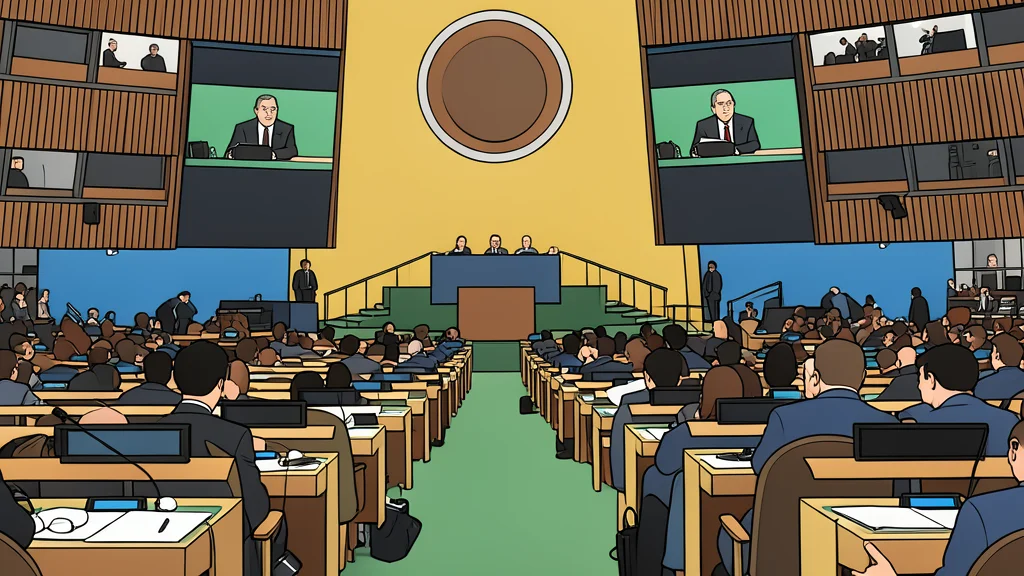
The 193-member body is expected to accept the Security Council’s nominee, raising questions about its independence in the selection process.
The United Nations General Assembly is poised to approve the next Secretary-General without significant dissent, a pattern that has persisted for eight decades. Despite the body’s formal authority to appoint the chief executive, it has never rejected a candidate recommended by the Security Council. This dynamic raises questions about the balance of power within the organization’s governance structure.
According to Article 97 of the UN Charter, the General Assembly appoints the Secretary-General upon the recommendation of the Security Council. In practice, this has resulted in a procedural formality rather than a substantive selection process. Member states often prioritize diplomatic relations with major powers over rigorous evaluation of the nominee’s credentials.
Security Council Dominance Persists
Richard Gowan of the Crisis Group notes that it is highly unlikely the General Assembly would reject a candidate approved by the Security Council. He suggests that member states are reluctant to challenge the choice due to the risk of offending key powers such as the United States, China, and Russia. This reluctance often leads to the acceptance of candidates even when they are perceived as substandard by diplomats in New York.
Gowan also highlights the potential for regional conflicts to influence the selection. If the veto powers force through a candidate from outside the traditionally rotating region, such as Latin America and the Caribbean, it could lead to abstentions or protests. However, he argues that it is less likely that states would vote against a male candidate on principle, despite growing demands for gender parity.
Calls for Greater Assembly Autonomy
Jesselina Rana of CIVICUS argues that the General Assembly has the theoretical capacity to push back if a woman is not recommended. She points out that a simple majority is required for appointment, suggesting that the body could assert its independence. However, she emphasizes that real pressure must be applied earlier in the process, such as by demanding multiple candidates from the Security Council or conducting preliminary votes to gauge preferences.
Dr. Palitha Kohona, a former UN official, cautions that relying on the Charter for clarity in this process may not be effective. He suggests that the current system reflects the geopolitical realities established after World War II, which continue to dominate the appointment process. This historical context limits the ability of the General Assembly to act independently.
Diplomatic Considerations Shape Outcome
Diplomats often prioritize maintaining good relations with the incoming Secretary-General over asserting their own preferences. Gowan notes that there is a strong tendency to provide broad endorsement for the sake of the organization. Turning the next Secretary-General into a lame duck before they even take office is seen as detrimental to the UN’s effectiveness.
The upcoming selection process will likely continue to reflect the existing power dynamics within the United Nations. The General Assembly’s role remains largely ceremonial, with the Security Council holding the decisive influence. Observers will watch closely to see if any member states attempt to break from this established pattern, though such a move is considered improbable.