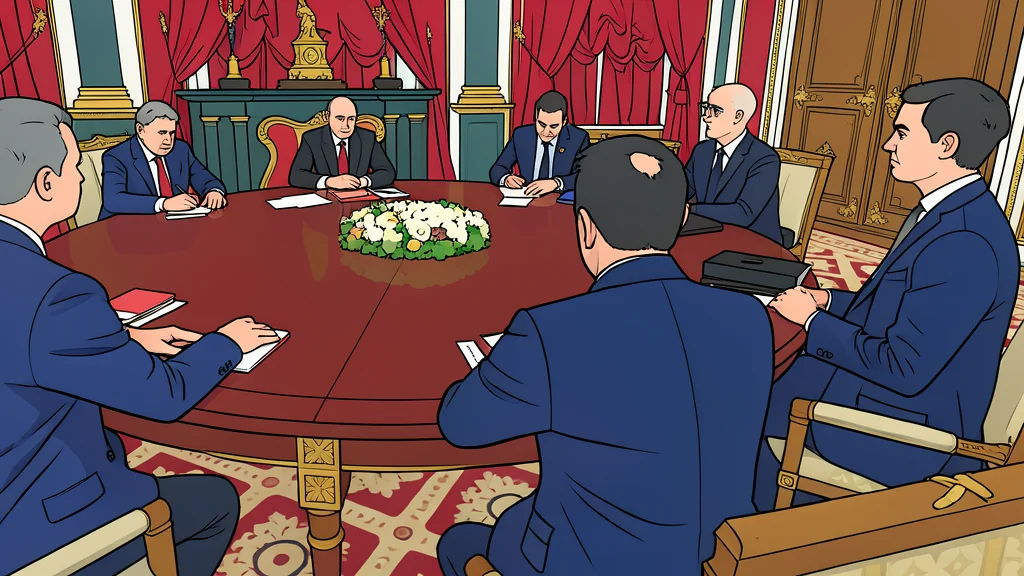
NATO Expansion Reshapes European Trade Dynamics
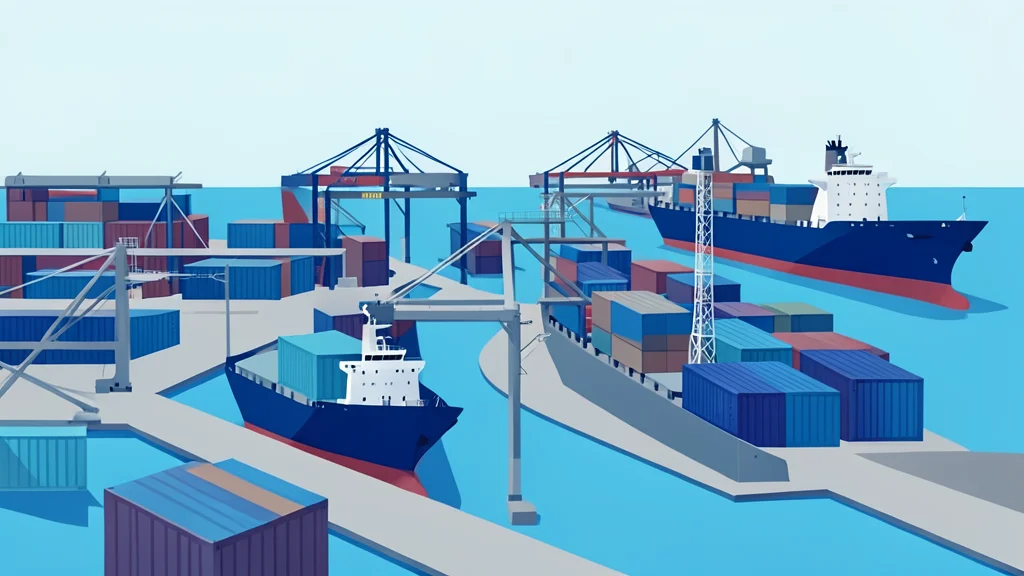
Recent research suggests that the North Atlantic alliance functions as a significant economic stabilizer, driving a measurable surge in intra-bloc commerce beyond its traditional military mandate.
The accession of new states to the North Atlantic Treaty Organization has traditionally been viewed through a strict military lens, focusing on collective defense and security guarantees. However, emerging economic analysis indicates that the ripple effects of membership extend far deeper into the commercial sphere. According to findings highlighted in a recent piece by GN geopolitics/nato, the act of joining the alliance creates a durable framework for economic cooperation that persists long after the initial diplomatic negotiations conclude.
This shift in perspective highlights a critical intersection between security policy and market behavior. When nations commit to a mutual defense pact, private sector actors often reinterpret the risk profile of cross-border investments. The stability provided by the alliance structure reduces the perceived likelihood of hostile state actions, thereby encouraging businesses to deepen their supply chains and trade relationships with fellow members. This dynamic suggests that the alliance serves a dual function, acting simultaneously as a security shield and a facilitator of commercial integration.
Quantifiable Growth in Intra-Alliance Trade
Recent data underscores the magnitude of this economic effect. Researchers led by Karen Jackson observed a significant uptick in trade volumes among member states following the geopolitical shifts in Europe. Between 2022 and 2025, intra-NATO trade expanded by an estimated nine to fifteen percent. This recent growth is part of a longer historical trend, with the study noting that on average, new accessions to the alliance have historically boosted bilateral exports by twelve to twenty-seven percent.
These figures suggest that the security umbrella provided by the treaty directly correlates with increased commercial confidence. The data implies that when the prospect of conflict is diminished, markets respond by increasing the flow of goods and services. This pattern holds true not just for recent additions to the bloc, but also when looking back at the organization’s founding in 1948. The consistency of this trend indicates a structural relationship between political stability and economic expansion that is rarely seen in other international organizations.
Defense Supply Chains Drive Commerce
The composition of this trade is particularly revealing. The study found that the increase in commerce is concentrated in dual-use goods and intermediate products. These are items that serve both civilian and military purposes, forming the backbone of modern defense supply chains. This specific focus suggests that the economic boost is not merely a general opening of markets, but a targeted strengthening of the industrial base required for collective security.
By integrating these industries more tightly, member states create a web of interdependence that further cements the alliance. The reliance on shared components and technologies makes it economically as well as politically costly for any member to disengage. This structural linkage transforms the alliance into a de facto trade bloc, where the efficiency of the defense industry becomes a primary driver of overall economic growth. The blurring of lines between military logistics and commercial trade highlights a sophisticated level of integration that goes beyond simple treaty obligations.
Strategic Implications for Future Members
As the alliance continues to evolve, the economic incentives for membership may become as compelling as the military ones. For prospective members, the promise of access to a larger, more stable market with reduced trade barriers offers a tangible benefit. This economic dimension adds a layer of complexity to the decision-making process for both existing members and potential newcomers. It suggests that the value of NATO lies not only in the deterrence of external threats but also in the internal cohesion it fosters.
Looking ahead, the focus will likely shift toward how these economic ties can be leveraged to strengthen the alliance’s resilience. The integration of defense supply chains with broader commercial networks could provide a robust framework for responding to future crises. The evidence points to a future where the boundaries between security policy and economic strategy are increasingly porous, requiring policymakers to consider both dimensions simultaneously when evaluating the alliance’s role in the global order.