UN General Assembly Opens Amidst Record Global Conflict
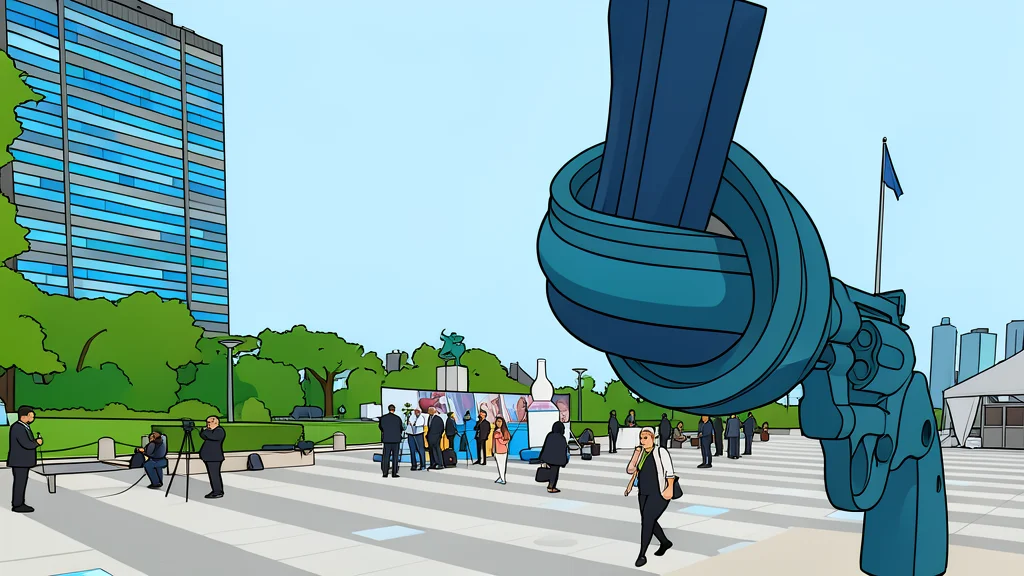
Diplomats face a gridlocked Security Council and leadership transition as the 81st session begins under a survivalist mindset.
Key points
- The 81st UN General Assembly opens with global conflict at its highest level since 1945, prompting a shift toward a survivalist mindset.
- Security Council gridlock is evident after Russia and China vetoed a U.S. bid to continue independent sanctions monitoring on Iran.
- UN Secretary-General António Guterres concludes his ten-year tenure this year, with diplomats closely watching the upcoming leadership selection process.
The United Nations General Assembly has convened for its 81st session, marked by a shift from aspirational goals to a defensive posture. The official theme, focused on restoring trust, underscores the depth of institutional anxiety as global conflict reaches its highest level since 1945.
According to Foreign Policy, this gathering occurs as Secretary-General António Guterres nears the end of his decade-long tenure. With the Security Council in a stalemate and sustainable development goals lagging, diplomats in New York are bracing for a difficult transition period.
Stalled Progress and Institutional Stalemate
The organization’s core mandate is under strain, with major conflicts in Ukraine and Sudan remaining unresolved despite previous diplomatic efforts. Recent tensions involving Iran have further complicated the landscape, leaving Tehran in a position to threaten critical shipping routes in the Strait of Hormuz.
Institutional paralysis is evident in the Security Council, where Russia and China recently vetoed a U.S. proposal to continue independent monitoring of Iran’s nuclear program. This gridlock reflects a broader malaise, as the agency struggles to enforce its sanctions and maintain its authoritative standing.
Calls for Structural Overhaul
Khalilur Rahman, the new president of the General Assembly, has argued that current efforts are superficial. In a recent interview, he described the existing reform process as akin to assembling blocks without changing the underlying logic of the institution.
Rahman emphasized that national and global responsibilities must be balanced, a point he plans to highlight in his opening speech. His comments suggest that member states may need to commit to deeper structural changes rather than incremental adjustments to restore confidence in the UN.
Leadership Transition and Diplomatic Absences
The high-level week brings a mix of new and departing leaders, including British Prime Minister Andy Burnham and Japanese Prime Minister Sanae Takaichi. French President Emmanuel Macron is scheduled to deliver a farewell address before leaving office in May.
Notable absences include German Chancellor Friedrich Merz and Chinese President Xi Jinping, whose movements are closely monitored in New York. Germany’s recent shift in funding priorities and China’s diplomatic strategy remain key variables as the UN navigates its next phase of leadership.