El-Sisi Warns CIA Chief Against Threats to Somali Sovereignty
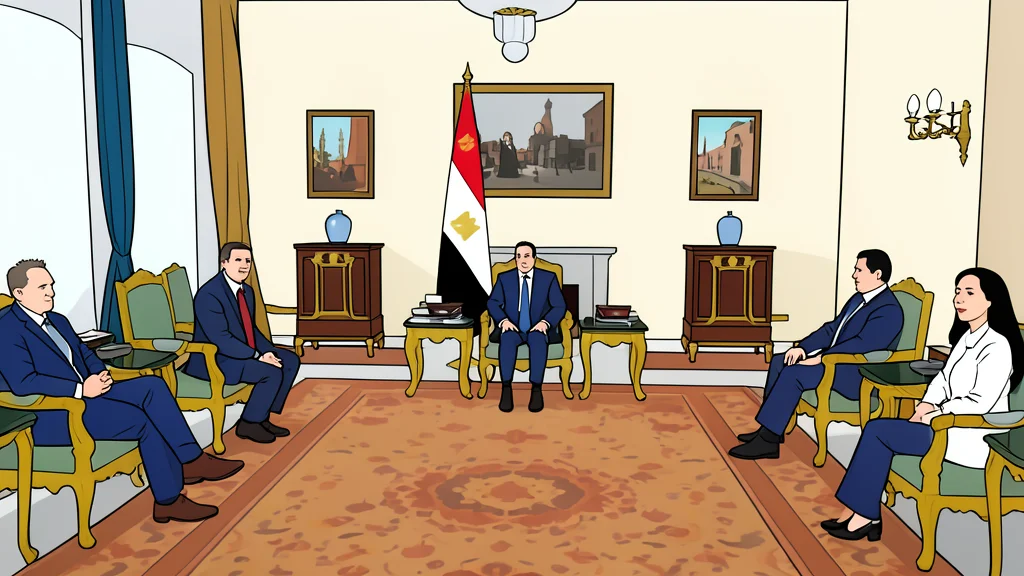
Egypt's president told the US intelligence chief that Cairo opposes any violation of Somali territorial integrity.
Key points
- President El-Sisi told CIA Director Ratcliffe that Egypt rejects any infringement on Somalia's sovereignty and territorial integrity.
- The meeting covered coordination on the Sudanese crisis, maritime security, and counterterrorism efforts in the Horn of Africa.
- The CIA chief praised Egypt's role in regional stability and expressed the US administration's commitment to close cooperation.
Cairo has reaffirmed its opposition to any actions that might compromise the territorial integrity of Somalia, according to statements released following high-level diplomatic talks. President Abdel Fattah El-Sisi communicated this firm position to the director of the United States Central Intelligence Agency during a meeting held in Egypt last week.
The discussion took place amid heightened regional tensions and was attended by the head of Egypt’s General Intelligence Service. According to reports from Hiiraan Online, the Egyptian leadership emphasized the necessity of maintaining stability in the Horn of Africa while rejecting external interference in Somali internal affairs.
Bilateral intelligence coordination emphasized
The two officials discussed the strategic relationship between their nations, focusing on the exchange of security assessments. El-Sisi stressed the importance of continued consultation between relevant authorities, particularly regarding the ongoing crisis in Sudan and maritime security in the Red Sea.
The CIA director conveyed greetings from the US administration, expressing a desire to maintain close cooperation. He highlighted the strong partnership between the two intelligence agencies in counterterrorism and combating transnational organized crime, praising Egypt’s role in supporting regional peace efforts.
Broader regional security concerns
Beyond Somalia, the agenda included developments in the Middle East, such as the conflict involving Iran and the ceasefire situation in Gaza. Both parties acknowledged the complex geopolitical landscape affecting the region’s stability and the need for coordinated responses to terrorist organizations.
The meeting underscored a shared commitment to addressing security challenges through diplomatic and intelligence channels. As regional dynamics shift, observers note that the alignment between Cairo and Washington on these issues will be a key factor in future stability.
Watching for future diplomatic signals
Analysts will closely monitor subsequent diplomatic engagements to gauge the durability of this coordination. The specific focus on Somali sovereignty suggests that Egypt views potential violations of territorial integrity as a critical threat to its own security interests.
The next steps may involve further trilateral discussions with other regional stakeholders. The coming weeks will reveal whether this high-level dialogue translates into concrete actions to stabilize the Horn of Africa and manage broader Middle Eastern conflicts.