Pakistan Urges UN Security Council to Modernize Counter-Terrorism Frameworks

Marking the 25th anniversary of the 9/11 attacks, Pakistan’s UN representative called for an urgent update to global counter-terrorism mechanisms, highlighting the evolving nature of extremist threats and the need for renewed international solidarity.
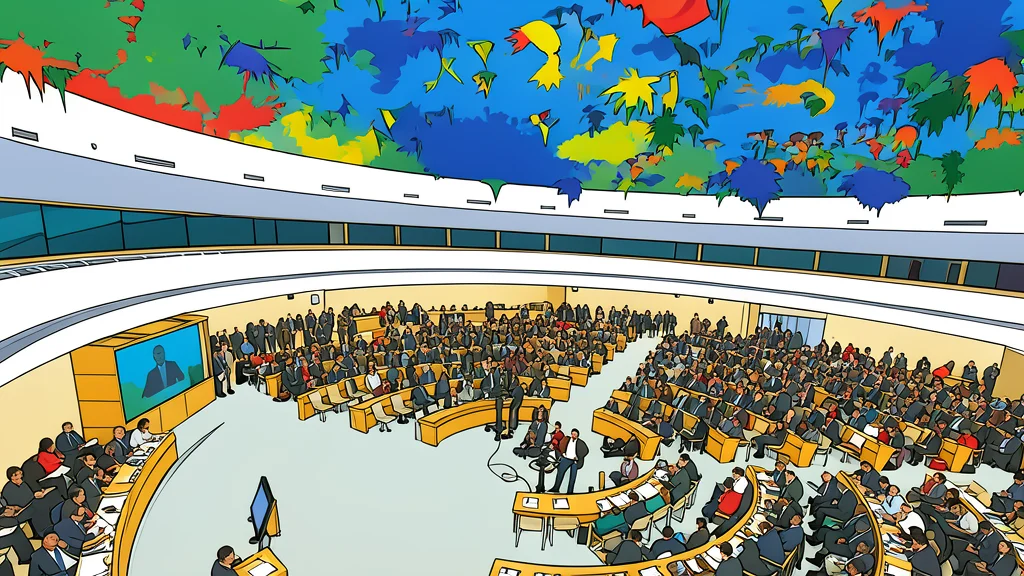
On the twenty-fifth anniversary of the September 11 attacks, the United Nations Security Council convened for a solemn briefing on the evolving landscape of global terrorism. The session served as a moment of collective remembrance for the victims of the 2001 attacks, including seven Pakistani citizens, while simultaneously addressing the imperative for sustained international cooperation. According to GN geopolitics/terror (en-US), the proceedings highlighted the continued relevance of the normative frameworks established in the aftermath of those events, such as Resolution 1373, which remains the cornerstone of the UN's counter-terrorism architecture.
Asim Iftikhar Ahmad, Pakistan’s Permanent Representative to the United Nations, emphasized that the threat posed by terrorism has not remained static. He noted that while the initial wave of international cooperation successfully degraded the capabilities of Al-Qaida, new and mutated forms of extremism have emerged in the interim. The representative underscored the necessity for the Council to adapt its strategies to address these shifting dynamics, arguing that the current mechanisms, while foundational, require significant renewal to remain effective against contemporary threats.
Pakistan’s sacrifice in the global campaign
Pakistan positioned itself as a frontline state in the international effort to combat terrorism, citing its role in breaking the back of Al-Qaida through close intelligence sharing and security cooperation with partners. However, the statement highlighted that this engagement came at a profound cost. Over the past two decades, more than 90,000 Pakistanis, including security forces and civilians, have lost their lives to terrorist violence. This sustained human and economic toll serves as a stark reminder of the heavy burden borne by nations at the forefront of the counter-terrorism struggle.
The representative stressed that the sacrifices made by Pakistan and its people should not be overlooked in the broader narrative of global security. By acknowledging these losses, the statement sought to reaffirm the commitment of the international community to support nations that continue to bear the brunt of extremist violence. This context is crucial for understanding the urgency behind the call for renewed collective action and shared responsibility in addressing the scourge of terrorism.
Emerging threats in new regions
The briefing drew attention to the alarming rise of far-right extremist movements worldwide, which have been responsible for some of the most heinous attacks in recent years. These groups, driven by xenophobia, racism, and intolerance, represent a new dimension of the threat that the Security Council must address. Additionally, the stability of regions such as Africa, the Middle East, and Afghanistan remains a source of deep concern, with specific references to the ongoing loss of life in neighboring areas.
According to the statement, the current sanctions regimes and counter-terrorism tools are proving insufficient to combat terrorism in all its dimensions. The representative agreed with remarks made by other Council members, including Denmark, regarding the gaps in the current framework. To eradicate the growing global threat, these gaps must be addressed with the same level of effectiveness and unity that characterized the Council’s response in the immediate aftermath of 9/11. The evolving nature of the threat demands a flexible and robust international response.
Renewing the council’s collective resolve
The statement concluded with a call for the Security Council to renew its commitment to eliminating terrorism in all its forms. The representative urged the wider UN membership to view the rise in extremist movements and the continued violence in various regions as shared concerns requiring a unified response. By bridging the gaps in the current counter-terrorism landscape, the international community can better protect civilian populations and maintain global peace and security.
As the anniversary marks a significant milestone in the history of international counter-terrorism efforts, the focus shifts forward to the implementation of updated strategies. The coming months will likely see increased diplomatic efforts to refine sanctions mechanisms and enhance cooperation among member states. The ultimate goal remains the elimination of terrorism, a task that requires continuous adaptation and unwavering solidarity in the face of evolving threats.