US-China Trade Tensions Ease Ahead of Washington Summit
Tariffs on Chinese goods have dropped from 145% to roughly 30% as Xi Jinping prepares to meet Trump in Washington.
Key points
- U.S. tariffs on Chinese goods have fallen from a peak of 145% to an average of 20-30%.
- China has purchased only half of the 25 million metric tons of soybeans it promised to buy.
- Imports of AI infrastructure components drive recent trade volume increases between the two nations.
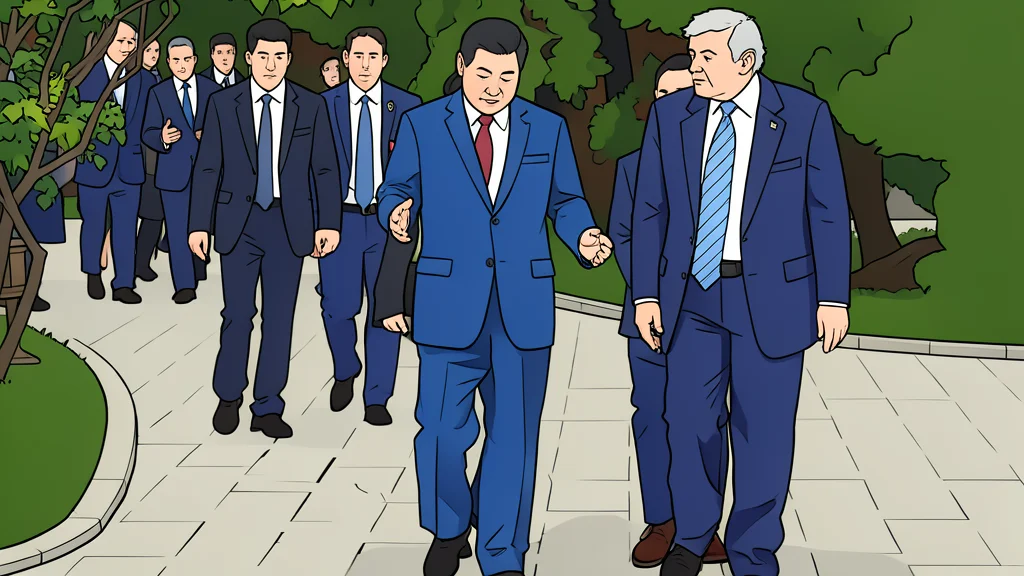
President Xi Jinping is scheduled to arrive in Washington this week for a summit with President Donald Trump, marking his first visit to the United States since 2023. While artificial intelligence safety is expected to dominate the agenda, underlying trade tensions remain a central point of negotiation between the two powers.
According to marketplace.org, the current diplomatic engagement follows a period of intense tariff escalation that began in early 2025. Although the most extreme measures have been rolled back, the overall trade environment remains significantly more restrictive than it was during the previous administration, with both sides seeking a stable footing before broader discussions resume.
Tariff levels remain elevated
U.S. tariffs on Chinese goods reached a peak of 145 percent in the spring of 2025, prompting reciprocal measures from Beijing that pushed duties on American products to 125 percent. Meagan Schoenberger, a senior economist at KPMG, notes that these figures represented a historic high in bilateral trade friction.
Current rates have since decreased, with Ed Gresser of the Progressive Policy Institute indicating that most Chinese-made consumer goods now face tariffs in the range of 20 to 30 percent. While this reduction signals a pause in the trade war, Gresser emphasizes that these levels remain higher than those established under the Biden administration, suggesting a temporary truce rather than a permanent settlement.
Agricultural imports lag behind promises
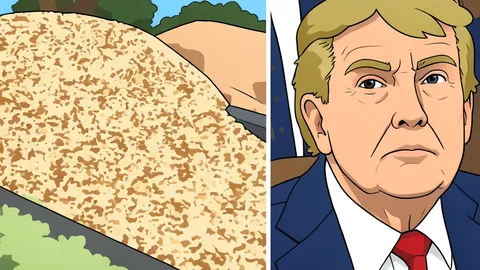
Despite improved relations, Chinese purchases of American agricultural products have not met initial projections. China committed to buying approximately 25 million metric tons of U.S. soybeans earlier this year, but Naomi Blohm of Total Farm Marketing reports that only about half of that volume has been secured so far.
The Trump administration has also claimed that China will purchase $17 billion worth of cotton, sorghum, and corn. Blohm describes this potential influx as a critical relief for American farmers facing high input costs, particularly diesel prices that can reach over six dollars per gallon during harvest season.
Tech demand drives import volume
U.S. imports from China have increased this year, primarily driven by demand for computers, data storage devices, and other components essential for artificial intelligence infrastructure. Schoenberger explains that these products are often exempt from the highest tariff brackets, contributing to a widening trade deficit despite the overall reduction in duty rates.
Observers indicate that the current trade dynamic reflects a mutual recognition of economic pain on both sides. Gresser suggests that both governments are finding it in their best interest to avoid further escalation, creating a window of stability that may allow for more substantive dialogue during the upcoming summit.