US President Warns EU Against Canadian Associate Membership Plans
Washington has escalated rhetoric against Brussels, labeling the potential inclusion of Canada as an associate member a hostile act. The move signals a significant strain in transatlantic trade relations.
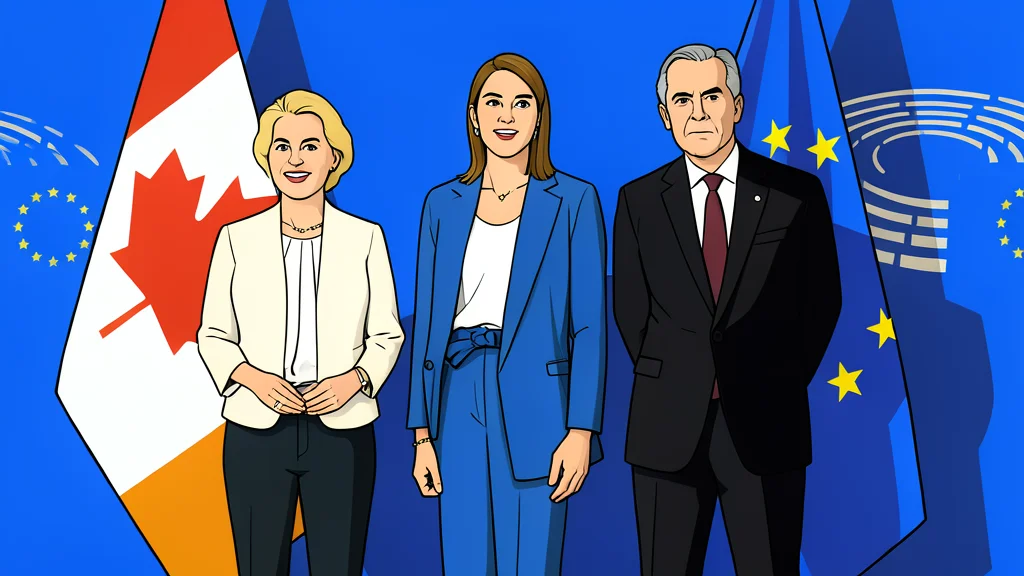
US President Donald Trump has issued stark warnings to the European Union following announcements that the bloc intends to explore an associate membership for Canada. According to Deutsche Welle, the US leader characterized the initiative as both "laughable" and a potential "hostile act," threatening retaliatory economic measures if the relationship is formalized.
The comments emerged after European Commission President Ursula von der Leyen outlined the proposal during her annual address in Strasbourg. She stated that the EU was prepared to create a new category of partnership from scratch, a diplomatic step that has immediately drawn sharp criticism from Washington.
Rhetoric shifts to economic threats
Speaking to reporters while traveling to North Carolina, Trump indicated that he would respond to the Canadian proposal with severe trade restrictions. He stated that if he perceives the move as hostile, the United States would impose serious tariffs or halt trading with Europe on numerous goods. This stance represents a significant escalation in the ongoing trade disputes between the two major economic powers.
Strained ties between Ottawa and Washington
The EU’s outreach to Canada occurs against a backdrop of deteriorating relations between the US and its northern neighbor. According to recent reporting, Canada has been a primary target of US tariff policies, with tensions rising sharply after trade negotiations broke down last month. Canadian Prime Minister Mark Carney has vowed to reciprocate US sanctions, leading to a tit-for-tat dynamic that has pushed Ottawa to seek alternative diplomatic avenues.
Broader transatlantic friction has also complicated the landscape, particularly regarding US assertions concerning Greenland, a territory within the Kingdom of Denmark. While the US and EU previously reached an agreement to reduce some tariffs, the current dispute highlights the fragility of these arrangements and the competing strategic interests in the Atlantic region.
Diplomatic uncertainty ahead
The creation of an associate membership status would be a novel diplomatic instrument for the EU, requiring the development of new legal frameworks. Observers note that the US reaction underscores the high stakes involved in any restructuring of trade alliances. The coming weeks will likely see intense diplomatic maneuvering as both sides assess the economic and political implications of this confrontation.
Attention now turns to whether the EU will proceed with defining this new status despite the US threats, or if it will seek to mitigate the conflict through further negotiations. The outcome will serve as a critical indicator of the future trajectory of US-EU relations and the broader stability of the global trade order.