Turkish and Iranian Ministers Coordinate on Regional Security Threats
Ankara and Tehran have intensified diplomatic engagement on counterterrorism, focusing on the dismantling of cross-border networks and the management of drug trafficking routes.
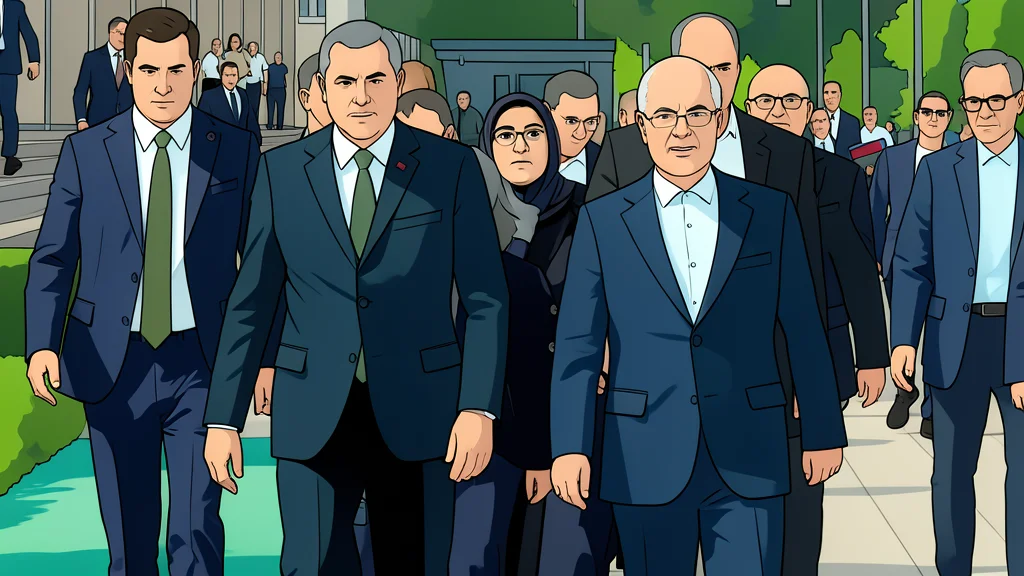
Turkish Interior Minister Mustafa Ciftci held discussions with his Iranian counterpart, Eskandar Momeni, in Ankara on Wednesday. According to an official statement from the Turkish Interior Ministry, the meeting addressed a broad range of security issues, including counterterrorism, organized crime, border security, and irregular migration. The dialogue comes at a time when both nations are seeking to solidify their cooperative frameworks against transnational threats.
A central focus of the conversation was the status of the PKK/KCK organization. Ciftci stated that the group has been compelled to dissolve itself and disarm as part of the 'Terror-Free Türkiye' process. He emphasized that Ankara is now working to dismantle all affiliates operating under different names across various regions. The minister noted that this dismantling process is viewed as essential for regional stability, extending to the group's presence in Syria, Iraq, and its affiliate PJAK in Iran.
Coordinating Against Transnational Crime Networks
Beyond terrorism, the ministers examined the challenge of new-generation organized crime groups. Ciftci reported that Turkey conducted 1,592 operations against 562 such groups this year, with a specific focus on drug trafficking. He highlighted that both countries lie along key transit routes used by criminal networks, making bilateral cooperation critical. The Turkish minister cited statistics showing that 32,848 people were arrested in 38,915 drug operations in 2026 alone, with 36 tons of drugs seized.
The discussion also covered the mechanics of extradition and deportation. Ciftci stressed the importance of strengthening relations between Interpol units in both countries to ensure these processes are handled effectively. He stated that Turkey is working within legal frameworks to address Iran's concerns and expedite the return of individuals whose legal proceedings have been completed, while expressing an expectation for reciprocal diligence from Tehran regarding ongoing requests.
Addressing Irregular Migration and Trafficking
Joint measures to combat irregular migration were also on the agenda. The ministers discussed efforts to target human trafficking networks and migrant smugglers. According to the ministry statement, Turkey has structured its migration policy as a comprehensive system that spans from the country of origin to the country of destination. The goal is to ensure safe, dignified, and voluntary returns, reflecting a strategic approach to managing population movements across the region.
Monitoring Future Regional Security Developments
As the diplomatic engagement continues, observers will watch how these agreements translate into operational cooperation. The material, sourced from the GN auto geopolitics/terrorism: counter terrorism desk, suggests a period of heightened coordination between Ankara and Tehran. The next phase will likely involve the practical implementation of extradition protocols and joint intelligence sharing to address the residual risks posed by transnational criminal and terrorist networks.