EU Foreign Chief Urges Swift Extension of Russia Sanctions
EU diplomats faced a deadline on Monday to finalize sanctions extensions amid disputes over specific oligarchs and rising security concerns.
Key points
- Kaja Kallas urged EU members to swiftly extend Russia sanctions before a late Tuesday deadline.
- A deal to lift sanctions on oligarchs Usmanov and Fridman failed after Latvia lodged an objection.
- Kallas cited rising sabotage attacks and airspace violations as reasons to maintain strict pressure.
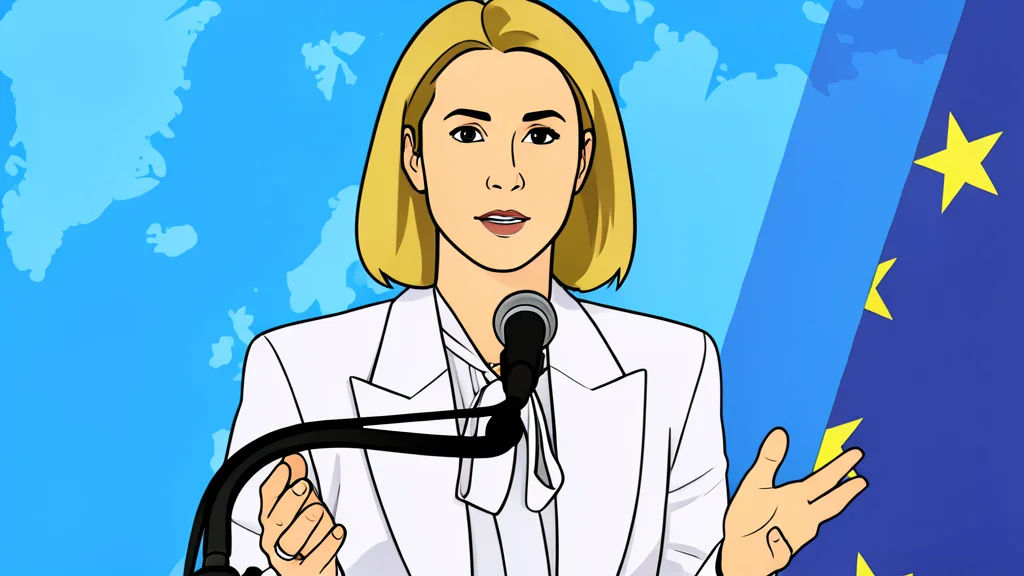
Kaja Kallas, the European Union’s top foreign policy official, urged member states on Monday to maintain and swiftly extend sanctions against Russia. Speaking in New York on the sidelines of the United Nations General Assembly, she described the measures as a core pillar of the bloc's response to Moscow's war in Ukraine. The goal, according to Kallas, is to deprive Russia of essential war funding while ensuring stability in European security arrangements.
The urgency stems from a looming deadline late on Tuesday for the current sanctions regime to be renewed. The 27-nation bloc has been working to close talks on the rollover of restrictions targeting nearly 3,000 individuals and entities. Despite the broad consensus on maintaining pressure, internal disagreements have complicated the final approval process, particularly regarding the status of specific Russian business figures.
Oligarch Exemptions Spark Diplomatic Friction
A provisional agreement to remove Russian-Uzbek billionaire Alisher Usmanov and Mikhail Fridman from the EU's blacklist failed to secure final approval. France and Slovakia pushed for Usmanov's exclusion, while Luxembourg argued that Fridman should also be removed if the former's sanctions were lifted. However, the compromise collapsed when Latvia lodged a last-minute objection, leaving the broader sanctions package without a finalized deal as reported by The Straits Times.
Ukraine reacted strongly to the prospect of easing measures on these two prominent businessmen. More hawkish member states, including Poland and the Baltic nations, opposed the relief, arguing that pressure on Russia should be intensified rather than relaxed. Negotiations are expected to continue in Brussels to resolve these specific disputes while securing the extension of restrictions on the remaining targets.
Security Risks Drive Policy Stance
Kallas highlighted a recent increase in sabotage attacks and airspace violations as evidence of Moscow's willingness to take greater risks. She stated that Europe faces a fast proliferation of such incidents, suggesting that Russia is attempting to scare European nations into winding down their support for Ukraine. In response, the EU official emphasized that the bloc must impose greater costs on Russia to counter these escalating threats.
According to Kallas, the Russian economy remains one of the country's weakest points amid the ongoing conflict. She indicated that the EU is working on a new package of sanctions to further exploit these vulnerabilities. The diplomatic push aims to ensure that the financial and economic pressure remains consistent and effective for the foreseeable future.
Watchpoints for Sanctions Finalization
Diplomats are now focused on resolving the objections raised by Latvia and other members before the deadline expires. The outcome will determine whether the exemptions for Usmanov and Fridman are included in the final text. Observers will also watch for any new details on the additional sanctions package mentioned by Kallas, which is intended to strengthen the overall restrictive framework.