2026 UNGA Focuses on Leadership Race and US Budget Shifts
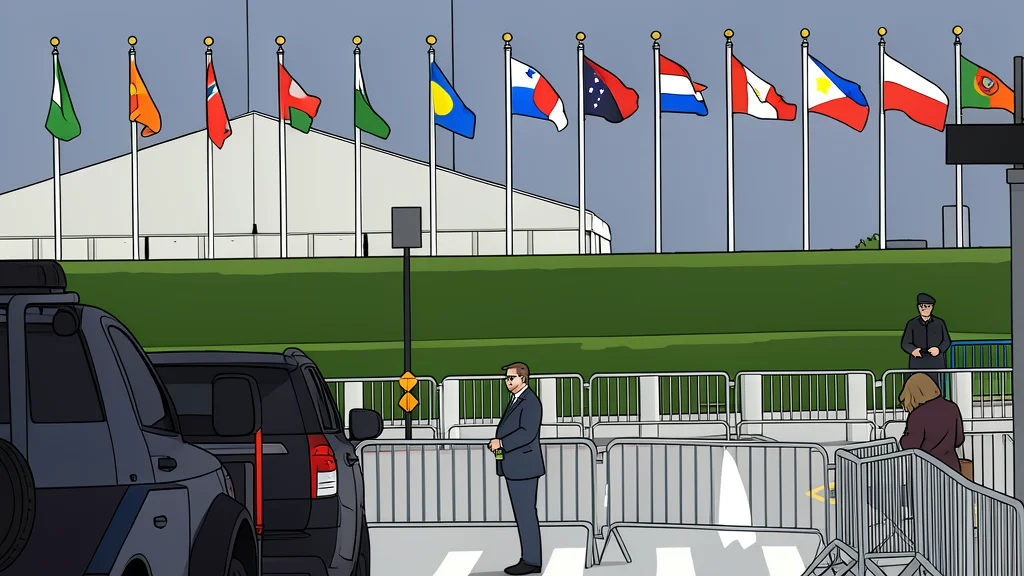
Diplomats in New York prepare for a pivotal General Assembly week marked by a succession race and shifting US multilateral commitments.
Key points
- The 2026 UNGA marks the final term of Secretary-General António Guterres, with seven candidates remaining in the succession race.
- The US paid over $800 million in back dues but maintains a policy of budget reduction and structural reform for the UN.
- Bilateral meetings will focus on regional conflicts, including potential diplomatic efforts to resolve the US-Iran dispute.
The United Nations General Assembly high-level week in New York is set to center on the institution’s first leadership transition in a decade. As world leaders converge on Manhattan, the departure of Secretary-General António Guterres at the end of the year has triggered a high-stakes competition among remaining candidates, reshaping the diplomatic dynamics of the session.
According to Foreign Policy, the assembly also serves as a critical test for United States engagement with the multilateral body. While the US administration recently cleared over $800 million in back dues, a significant financial deficit remains, and Washington continues to push for a leaner, more focused UN structure that prioritizes peace and security over broader mandates.
Leadership Transition Defines Agenda
The selection process for the next Secretary-General is now narrowed to seven candidates following recent eliminations. This succession race is viewed as a pivotal moment for the organization, as the incoming leader will inherit a mandate that balances traditional security concerns with emerging global challenges. The outcome will signal the direction of the UN’s institutional identity in the coming years.
Diplomatic sources indicate that the campaign is intense, with former heads of state and seasoned diplomats vying for the role. The stakes are high, as the new leader must navigate a fragmented international landscape where multilateral cooperation is increasingly tested by geopolitical rivalries and resource constraints.
US Engagement and Budget Constraints
The United States has adopted a pragmatic approach to its UN relationship, recently paying a substantial portion of its arrears while simultaneously demanding structural reforms. A senior US official described the strategy as putting the UN on a diet, aiming to reduce the annual budget for the first time in the organization’s eighty-year history. This move reflects a broader desire to streamline operations and refocus resources on core peace and security functions.
Despite these financial adjustments, US Ambassador Mike Waltz emphasized the unique diplomatic value of the General Assembly, noting the rare concentration of global leaders in a single location. This setting facilitates direct negotiations on complex issues, including regional conflicts and trade disputes, which are difficult to address through other channels.
Bilateral Meetings Shape Outcomes
Beyond the formal sessions, a series of high-level bilateral meetings are scheduled to address specific geopolitical tensions. President Donald Trump is expected to hold discussions with several national leaders, including new UK Prime Minister Andy Burnham and Japanese Prime Minister Sanae Takaichi. These encounters are seen as opportunities to align on regional security and economic interests.
A particularly anticipated side quest involves potential interactions regarding the US-Iran conflict, with GCC leaders expected to push for a resolution. While administration officials have not confirmed direct talks with the Iranian delegation, the presence of various regional actors suggests that back-channel diplomacy will play a significant role in shaping the week’s outcomes.