US UN Arrears Reach 120% of 2026 Budget Amid Guterres Exit
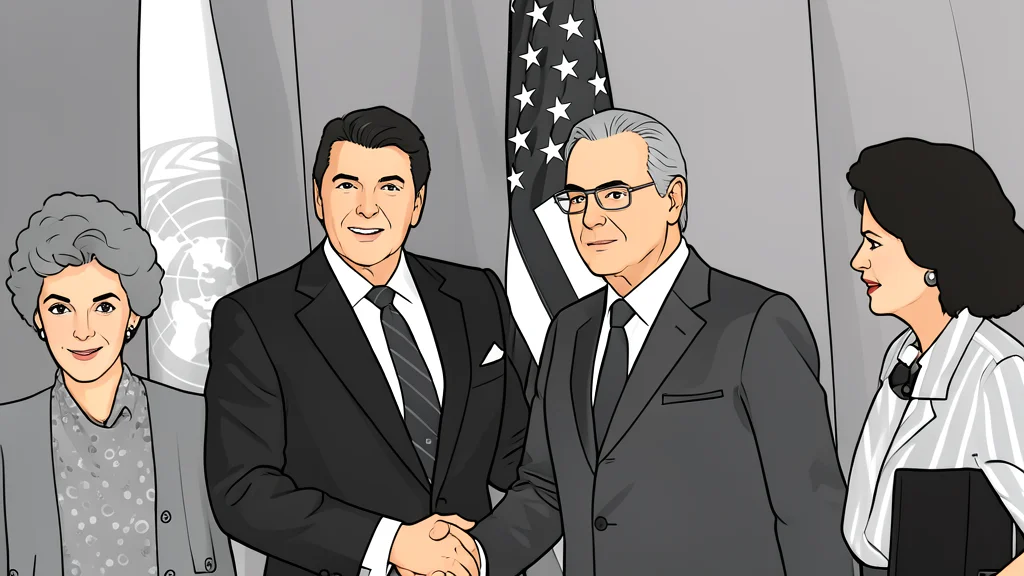
Washington’s unpaid dues now exceed the entire regular UN budget for next year as the Secretary-General concludes his decade-long tenure.
Key points
- The US owes the UN $4.2 billion, which is 120% of the 2026 regular budget.
- Washington ceased payments to UN regular and peacekeeping budgets earlier this year.
- This financial pressure follows a strategy of leveraging dues that began in the 1980s.
The United Nations General Assembly convenes in New York this week under strained conditions, marking the final annual speech of Secretary-General Antonio Guterres. According to Al Jazeera English, the organization faces a critical financial crisis as the United States, its primary host and largest contributor, has ceased payments to both regular and peacekeeping budgets. This decision leaves the UN on the verge of collapse, with the host nation currently owing an estimated $4.2 billion.
While the current administration has intensified pressure by withdrawing from dozens of agencies, analysts suggest this represents the culmination of a long-standing policy rather than a sudden shift. The US has historically used its financial leverage to compel institutional changes, a strategy that began in the mid-1980s when Washington began withholding contributions to reshape the organization’s priorities. Today, the arrears amount to 120 percent of the regular budget for 2026, effectively placing the UN on a short financial leash.
Historical Leverage in Multilateral Finance
The precedent for using dues as a political tool was established during the Reagan administration, which viewed the UN as a forum that did not sufficiently serve American interests. By withholding a significant share of its assessed contribution, Washington sought to force reform and maintain control over the organization’s direction. Although payments resumed in the late 1980s, the mechanism for financial pressure remained intact, allowing successive administrations to accumulate arrears deliberately.
Recent actions by the Trump administration reflect this enduring approach, characterized by slow-walking mandatory payments to preserve voting rights while withholding the rest. Earlier this month, the US paid $827 million specifically to retain its voting status in the General Assembly, but the broader strategy of financial blackmail continues. This approach underscores a persistent view of the UN not as a global agent for humanity, but as a vehicle for national interests.
Geopolitical Pressures and Institutional Strain
Beyond financial tactics, internal US politics and diplomatic alignments have driven the current escalation. Pressure from congressional allies has intensified as the United States faces growing isolation at the UN over its support for Israel in Gaza. Critics argue that the administration’s move to sanction UN special rapporteurs, such as Francesca Albanese, violates host country obligations and further erodes the organization’s credibility.
As Guterres departs after ten years, he leaves an institution that is more marginalized than ever before. The combination of reduced funding, withdrawn agency participation, and political interference has left the UN struggling to fulfill its mandate. The transition to his successor will occur against a backdrop of deepening distrust and structural fragility.
Future Outlook for Global Governance
The coming months will test the resilience of multilateral institutions as the new leadership attempts to stabilize operations without reliable funding. Observers are watching to see if Washington will resume full payments or continue to use financial leverage to influence diplomatic outcomes. The ability of the UN to function independently will depend on whether other member states can bridge the funding gap left by the US.
Ultimately, the crisis highlights the tension between national power and collective security. As the General Assembly debates proceed, the focus remains on whether the organization can maintain its integrity despite the withdrawal of its most powerful member. The outcome will shape the future of international cooperation and the role of the US in global affairs.