Veterans Reflect on the Quiet End of the Global War on Terrorism
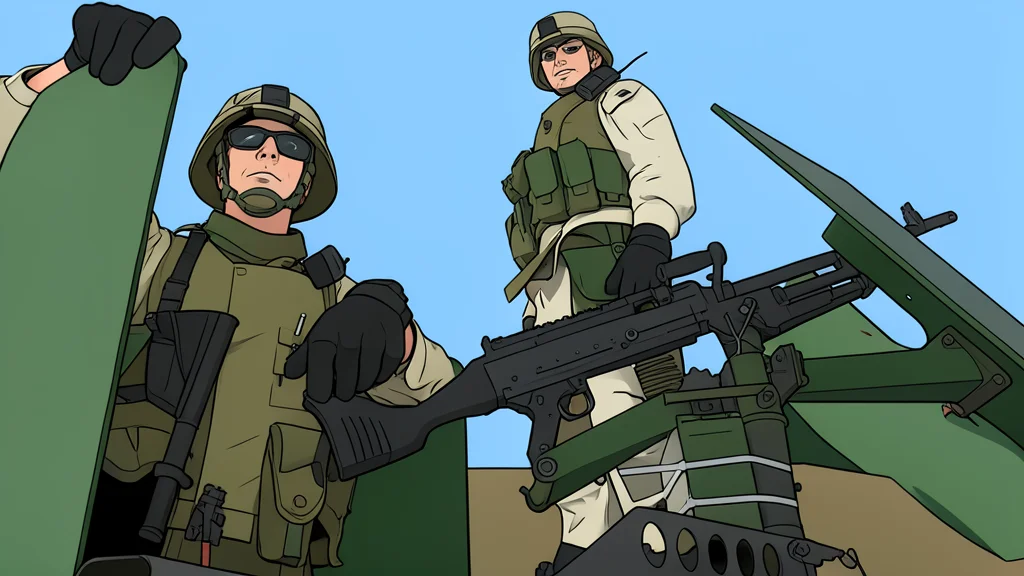
Twenty-five years after the attacks of September 11, the geopolitical conflicts that followed have largely receded from public view. For many veterans, however, the personal and professional echoes of that era remain profound and unresolved.
The quarter-century mark of the Global War on Terrorism arrives with a distinct sense of historical distance. For a generation raised on digital connectivity and recent events, the conflicts in Iraq and Afghanistan are increasingly viewed as static chapters in history books rather than active global concerns. This shift in collective memory is not merely an academic exercise; it represents a tangible change in how society engages with those who served during this period. The narrative has moved from immediate mobilization to retrospective analysis, leaving many service members to navigate a world that has largely moved on.
According to reports from GN geopolitics/terror (en-US), the conclusion of these conflicts lacked the ceremonial gravity of previous wars. There was no formal surrender treaty or decisive peace accord signed on a flagship. Instead, the end was marked by logistical milestones and administrative memos, such as the cessation of the National Defense Service Medal in 2022. This bureaucratic closure contrasts sharply with the intense cultural saturation that characterized the early years of the wars, highlighting a disconnect between the operational reality of the military and the evolving public consciousness.
Cultural Memory Fades Over Time
In the years immediately following the initial deployments, support for the military was pervasive and visible. Symbols of solidarity, such as yellow ribbons tied to tree branches and displayed on vehicles, were common sights across the country. Restaurants offered full menu discounts to veterans on specific holidays, and schools incorporated direct communication with troops into their curricula. This era was defined by a broad, unifying national sentiment that placed military service at the center of cultural discourse.
Over the last decade, this visible support has gradually diminished. The questions from the public have ceased, and the ceremonial gestures have shrunk in scope and frequency. For veterans returning home, the transition from a society that actively seeks their stories to one that offers polite silence is a significant psychological adjustment. The cultural infrastructure that once sustained the war effort, including a robust private contracting sector and mainstream media focus, has contracted, leaving those who served to process their experiences in a more isolated environment.
Shifting Political Narratives Create Tension
The debate surrounding the legacy of the Global War on Terrorism has become increasingly polarized. Political figures and former military leaders who once championed the interventions are now frequently heard questioning their necessity. This retrospective criticism creates a complex emotional landscape for veterans, who often feel a sense of dissonance when the sacrifices made by their peers are labeled as mistakes by those who hold public office. For many service members, the decision to serve was made with full knowledge of the risks, and the subsequent re-evaluation of that choice can feel like a personal rejection of their service.
Despite the growing chorus of voices calling for a re-examination of the wars, a significant portion of the veteran community maintains that the actions taken were necessary and justified. They point to the removal of hostile regimes and the prevention of further terrorist threats as tangible outcomes. This divergence in perspective underscores the difficulty of achieving a unified national consensus on the legacy of the conflicts, leaving veterans to hold onto their own memories of purpose and duty in the face of a shifting political tide.
Looking Ahead to Integration
As the geopolitical focus shifts to other regions, the question remains for how society will integrate the experience of the post-9/11 generation. The absence of a formal end to the war means that for many, the conflict is not a closed chapter but an ongoing personal reality. The path forward requires a nuanced understanding of the diverse experiences of those who served, moving beyond simple political judgments to acknowledge the human cost and the lasting impact of a quarter-century of global engagement.