Yale Summit Seeks Climate Action Amid Global Tensions
As international leaders gather in New York for the United Nations General Assembly, a new academic initiative aims to bridge the gap between scientific consensus and policy implementation.
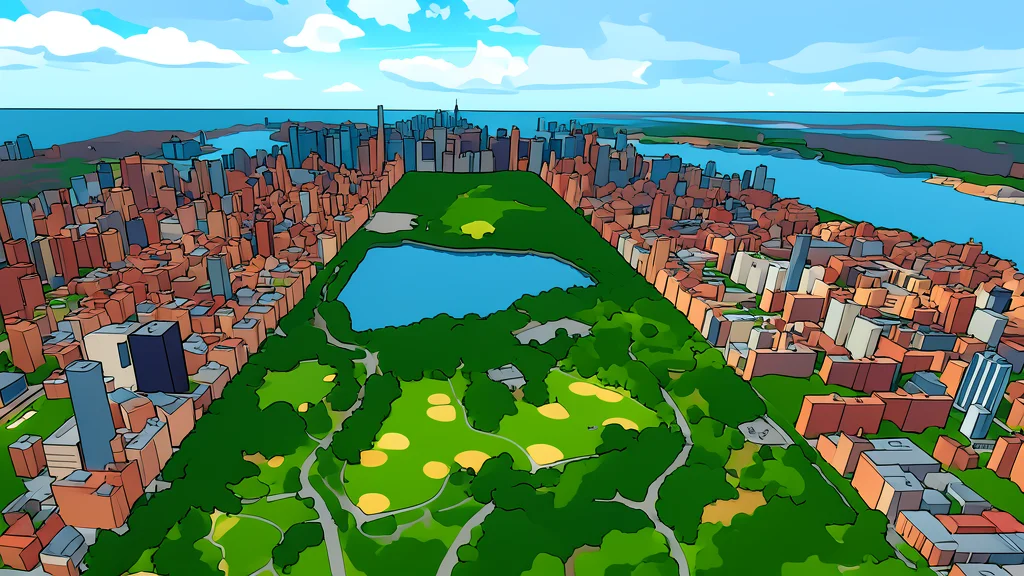
Scholars and policymakers from Yale University will convene in New York City next week to address the escalating climate crisis. According to the GN auto geopolitics/global: international summit, the event is part of the third annual Yale @ Climate Week NYC summit, scheduled for September 21 and 22. The timing coincides with the broader Climate Week NYC, which leverages the presence of world leaders attending high-level UN meetings.
Yale President Maurie McInnis emphasized the urgency of the moment, stating that the university must serve as a model for leadership and collaboration. The initiative, hosted by Yale Planetary Solutions, aims to produce evidence-based knowledge to guide human action. The goal is not merely to hold conversations, but to foster partnerships that endure beyond the annual summit.
Bridging Knowledge and Global Policy
A central focus of the summit is expanding collaboration with the United Nations. In an invitation-only session organized with Cornell University, Harvard, and the UN University, leading thinkers will discuss how to close the gap between academic research and actionable policy. Julie Zimmerman, Yale’s vice provost for planetary solutions, noted that the measure of success should be the tangible outcomes these discussions produce.
The program includes panels on critical issues such as carbon market design and the decarbonization of the electric grid. Participants will also explore how to move beyond Gross Domestic Product as the sole metric of societal progress, seeking broader indicators of sustainability and well-being that reflect the true state of the planet.
Urban Resilience and Corporate Action
The summit will also address the specific challenges facing urban environments. A new toolkit titled “Resilient Cities, Reimagining Health” will be launched, outlining preventative initiatives to protect public health against climate threats. Additionally, a nonprofit founded at Yale will introduce a corporate roadmap for reducing “superpollutants” that contribute to global warming beyond carbon dioxide.
These efforts are part of a broader push to integrate climate adaptation into national plans. A forthcoming international study on public demand for climate adaptation is expected to inform these strategies in the lead-up to the next UN climate talks, aiming to align political will with scientific necessity.
Looking Ahead to Future Negotiations
The summit highlights the growing recognition that climate action requires a multi-faceted approach involving academia, government, and the private sector. As the effects of ecosystem degradation become more pronounced, the pressure on these institutions to provide concrete solutions intensifies.
The forward question remains how effectively these academic insights will translate into binding international commitments. Observers will watch whether the partnerships forged in New York lead to sustained policy changes or remain isolated academic exercises. The coming weeks will reveal if the dialogue at the Yale Club translates into measurable progress on the global stage.