UN Secretary-General Urges Institutional Reform at BRICS Summit
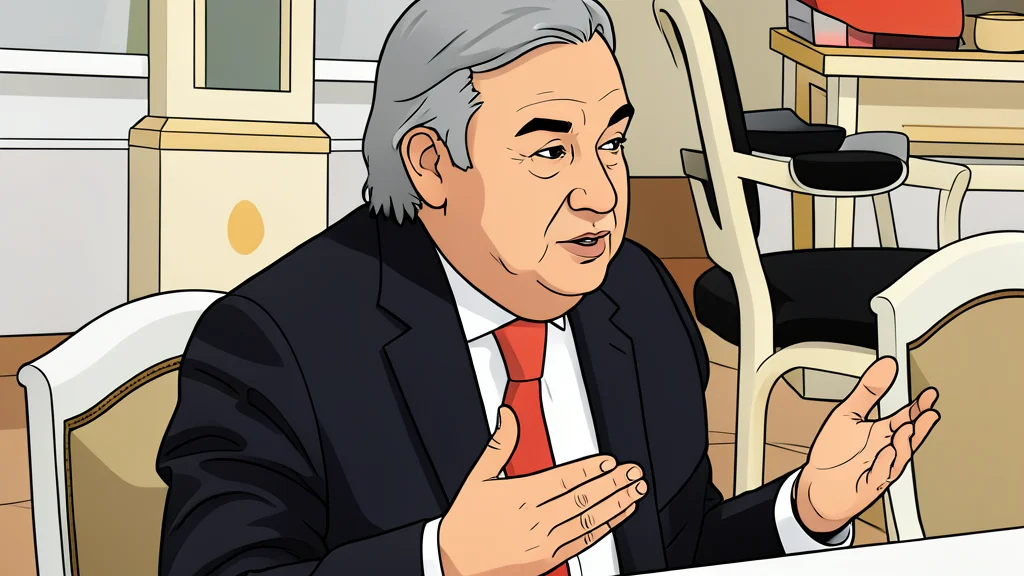
António Guterres argued that the international system must adapt to a shifting multipolar world, calling for changes in finance, AI governance, and climate policy.
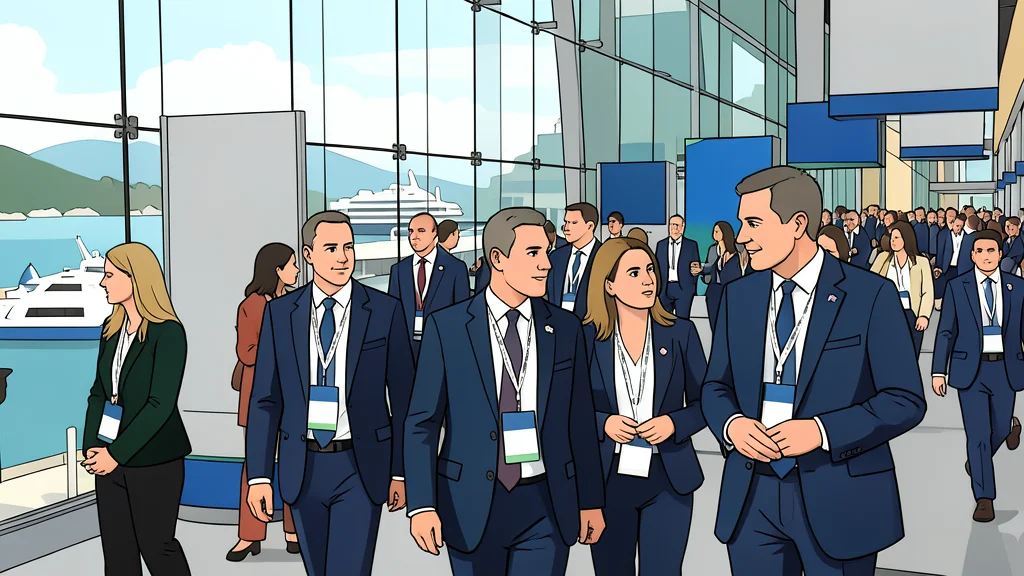
UN Secretary-General António Guterres addressed leaders in New Delhi, asserting that the global institutional framework requires significant modernization. Speaking at the 18th BRICS Summit, he emphasized that the international order established after World War II no longer reflects contemporary power dynamics. According to Guterres, the world is increasingly moving towards a multipolar structure that must be embraced to promote balance and equity.
The call for reform centers on the need for institutions like the UN Security Council and the Bretton Woods financial architecture to better represent emerging economies. Guterres highlighted that BRICS nations, including Brazil, Russia, India, and China, play a critical role in this shifting landscape. His remarks underscored a broader argument that legitimacy depends on the ability of these bodies to address current global challenges effectively.
Priorities for Global Economic Balance
Guterres outlined four key areas for reform, starting with financing and artificial intelligence. He noted that while developing countries are increasing domestic resource mobilization, they still require greater international support to achieve sustainable development goals. The Secretary-General called for expanded development-bank lending and improved debt-relief mechanisms to bridge the gap.
Regarding technology, he warned that AI could deepen existing inequalities if benefits remain concentrated among a few entities. Guterres supported BRICS initiatives aimed at expanding access to computing infrastructure and data for developing nations. He urged the international community to back the UN’s AI Scientific Panel to ensure governance frameworks are inclusive and equitable.
Climate Justice and Conflict Resolution
The Secretary-General also addressed the urgent climate crisis, warning that the world is approaching the 1.5°C temperature threshold. He urged wealthier nations to fulfill their climate-finance commitments and to provide greater assistance for adaptation and loss and damage. Accelerated reductions in fossil-fuel use and methane emissions were cited as essential steps to prevent further environmental harm.
Finally, Guterres addressed ongoing conflicts in Gaza, Ukraine, and Sudan. He urged states to uphold the UN Charter, emphasizing principles of sovereign equality and territorial integrity. According to the report, peaceful settlement of disputes remains a central pillar of his diplomatic agenda, reinforcing the need for a rules-based international order.
Watching Institutional Adaptation
The forward question lies in how quickly major powers will respond to these calls for structural change. Observers will watch whether BRICS nations leverage their growing influence to push for concrete reforms in financial institutions and security councils. The extent to which these institutions evolve will determine their future relevance in a dispersed global power structure.