Afghan Migrants Return to Taliban Rule Amid Iranian Economic Collapse
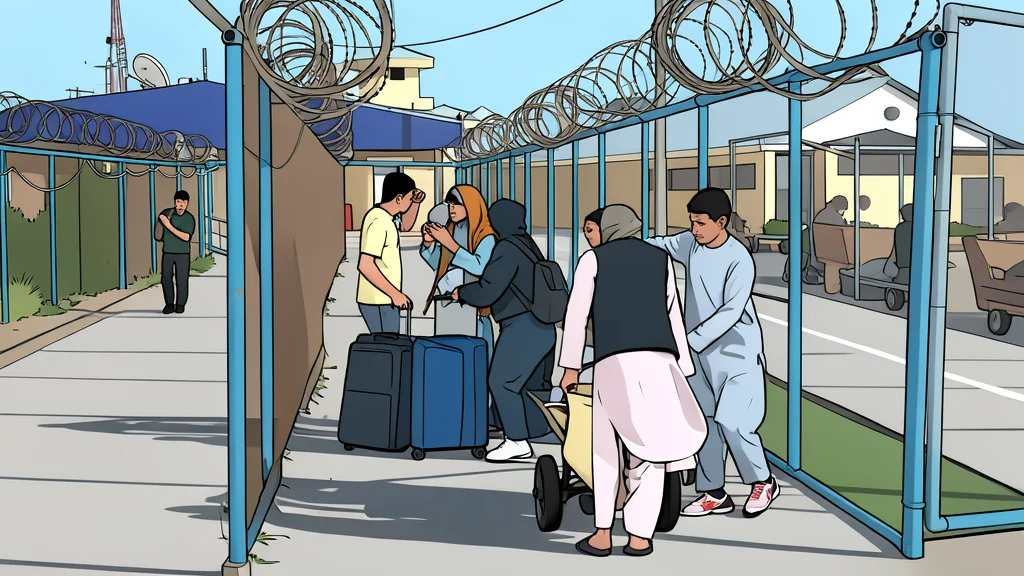
Thousands of Afghans are leaving Iran as war-driven inflation erodes their savings, forcing a return to restrictive Taliban governance despite previous escapes from poverty.
In the dusty border regions of western Afghanistan, a steady stream of families is crossing back into the country, driven not by political preference but by economic necessity. According to reports from GN geopolitics/migration (en-US), the conflict involving the U.S. and Israel has precipitated a severe economic crisis in Iran, causing the local currency to plummet and wiping out the savings of many Afghan residents. For individuals like Mohammad Saeed, an 18-year-old who fled the Taliban’s return to power in 2021, the collapse of the Iranian rial means that years of labor have lost over two-thirds of their value, leaving returnees nearly empty-handed.
This reversal marks a significant shift in migration patterns over the past decade. Iran’s industrialized economy has long served as a refuge from both poverty and the harsh restrictions imposed by the Taliban in Afghanistan. However, with consumer prices in Iran surging by nearly 90% year-on-year and food inflation approaching 130%, the financial benefits of staying have evaporated. As a result, thousands are choosing to re-enter a country where their livelihoods are uncertain, prioritizing survival over the specific risks associated with Taliban rule.
Economic Collapse Drives Return
The decision to return is largely driven by the breakdown of the informal labor markets that previously sustained Afghan migrants. According to the International Organization for Migration (IOM), only 29% of those who have recently returned possess any remaining savings, as average incomes have fallen by nearly one-third compared to pre-crisis levels. The tightening of sanctions and a naval blockade that has halted meaningful crude oil exports through the Strait of Hormuz have compounded these pressures, making basic essentials increasingly unaffordable for both Iranians and Afghan workers.
Formerly profitable ventures, such as trade in Iranian bazaars, have become unviable due to vanishing consumer demand. Migrants describe a shift from skilled or semi-skilled work to precarious day labor, often at wages that have not kept pace with inflation. This economic stagnation has left many with no viable alternative to returning to Afghanistan, where the labor market, while also struggling, at least offers a familiar social structure and the possibility of subsistence farming or local trade.
Women Face Harsh Restrictions
A notable change in this wave of returnees is the increased presence of women and entire families. While previous deportations from Iran primarily targeted unaccompanied men, recent data indicates that mothers and daughters are increasingly choosing to leave. For many women who held out in Iran after the 2021 Taliban takeover, the current economic crisis presents an impossible choice between enduring poverty in a foreign country or returning to a homeland where their mobility and opportunities are severely constrained.
In Afghanistan, Taliban regulations restrict women from traveling without male guardians and have effectively barred them from most forms of higher education and employment. According to United Nations data, half of the women in the country leave their homes only once or twice a month. Despite these severe limitations, the prospect of total financial ruin in Iran has led many families to accept the restrictions of Taliban rule as a lesser evil compared to destitution.
Uncertain Future for Returnees
As these migrants cross the Islam Qala border, they face a landscape of barren desert mountains and deteriorating infrastructure, symbolizing the fragile state of their new reality. The flow of returnees remains constant, with officials processing documents in makeshift containers along the highway to Herat. The situation underscores a complex geopolitical dynamic where economic instability in one region directly fuels humanitarian crises in another, complicating efforts to provide stable solutions for displaced populations.
Looking ahead, the key question is whether the economic situation in Iran will stabilize or continue to deteriorate, potentially triggering further waves of displacement. Observers will need to monitor the impact of ongoing sanctions and regional conflicts on the labor markets that sustain these communities. For the millions already affected, the immediate challenge remains securing basic necessities in an environment where both economic and political futures are deeply uncertain.