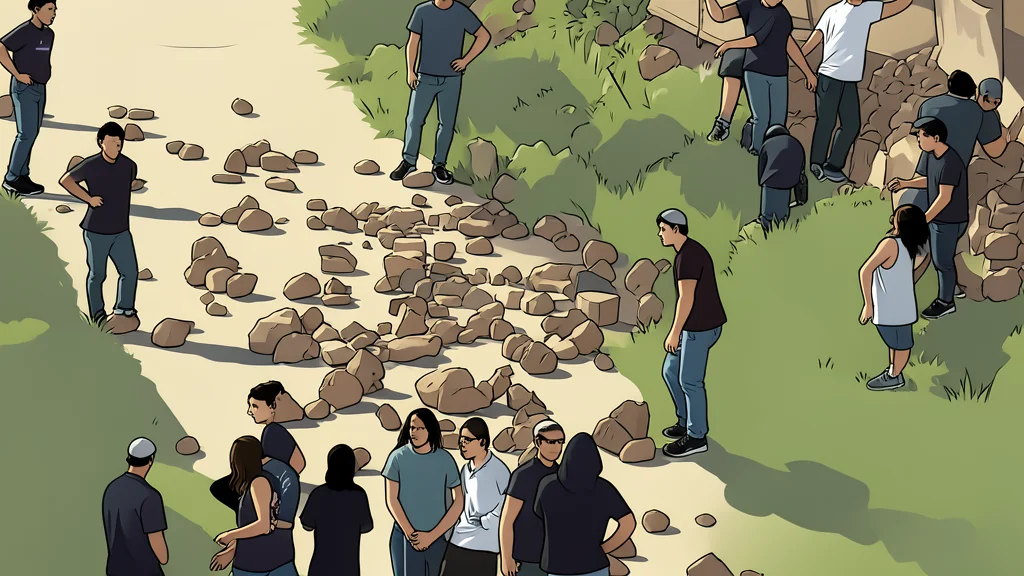
Afghan Officials Confirm Migrant Deaths Along Iran Border
Local authorities in Nimroz province have verified the deaths of seven Afghan nationals in Iran’s Saravan region, citing extreme dehydration as the primary cause.
Officials in southwestern Afghanistan have confirmed that seven Afghan migrants, including women and children, died in the Saravan area of Iran due to severe thirst and hunger. The incident highlights the continuing peril faced by individuals attempting to cross the border on foot under harsh environmental conditions.
According to Mawlawi Nusrat, head of the Foreign Relations Department in Nimroz province, the victims included five members of a family from Baghlan province and two women from Adraskan district in Herat. The family group, consisting of a woman and four girls aged between 14 and 22, perished on September 11, while the two women from Herat died the previous day.
Discrepancies in reported casualty figures
While Nimroz officials have verified seven deaths, other reports suggest the toll may be significantly higher. A separate report from Haaliwash indicated that at least 17 Afghan migrants, including men, women, and children, died of severe thirst in the Mak-Sokhta area of the Rutak border region. This area is also located within Saravan County in Iran.
The higher figure was attributed to an incident on September 10, with bodies reportedly transferred to a cold-storage facility in Khash. The variance between the official confirmation of seven deaths and the reported total of 17 underscores the difficulty in verifying casualty numbers in remote border zones where immediate communication and access are limited.
Harsh conditions along the route
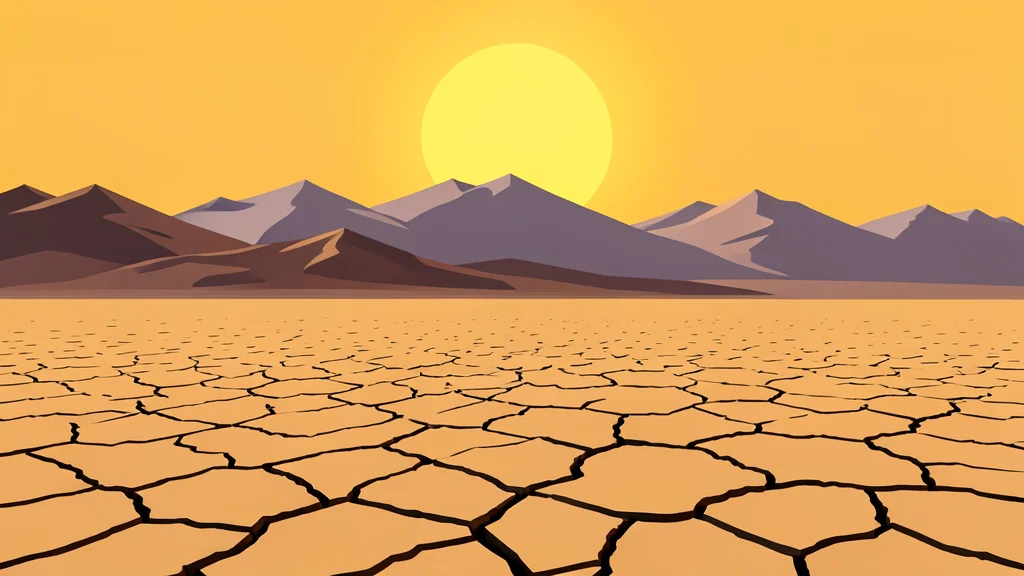
The deaths underscore the extreme risks associated with traversing the arid landscapes near the Afghanistan-Iran border. Migrants often travel long distances on foot with limited access to water or food, a strategy that becomes increasingly lethal during periods of intense heat. The Saravan region is known for its dry, cracked terrain, which offers little shelter from the harsh sun.
As documented by GN geopolitics/migration (en-US), these incidents are not isolated events but part of a broader pattern of humanitarian crises along the border. The lack of infrastructure and the remoteness of the crossing points contribute to the high mortality rate among those attempting to cross without official documentation or support.
Monitoring future border incidents
Attention will now turn to how regional authorities respond to these verified deaths and whether new measures will be implemented to assist migrants in distress. Observers will watch for further official statements from both Afghan and Iranian officials regarding the exact number of casualties and the conditions leading to the fatalities.
The coming days may see increased diplomatic engagement or humanitarian interventions aimed at mitigating the risks faced by those crossing the border. The situation remains fluid, with the potential for further incidents as seasonal heat continues to exacerbate the dangers of the journey.