Six Families Trapped in Western Gaza Building Collapse
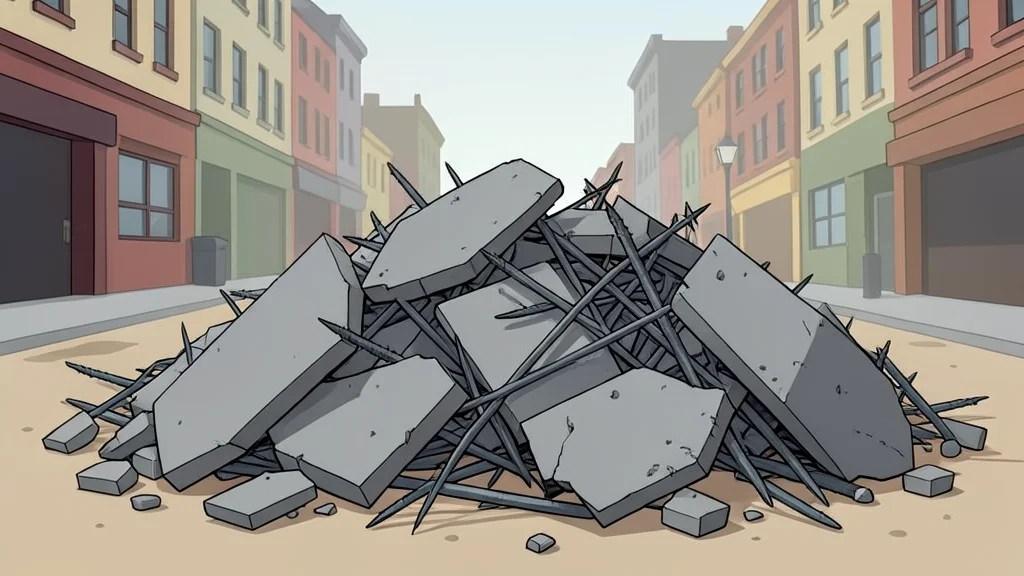
Rescue efforts in western Gaza City intensified after a multi-storey residential building collapsed overnight, leaving six families reportedly trapped beneath the rubble.
Rescue operations in western Gaza City intensified after a multi-storey residential building collapsed overnight, leaving six families reportedly trapped beneath the rubble. According to local witnesses and Palestinian journalists, the structure failed during the night, prompting an immediate response from civil defence crews and residents who began digging by hand in the early hours of Wednesday morning.
Footage verified by Al Jazeera English shows rescuers pulling young children from the debris while cries for help echo from beneath the concrete. In one sequence, a young girl is extracted alive, followed by several other survivors, including breathless children, who are subsequently transported to medical facilities via ambulance.
Structural failure follows prior damage
Local media reports indicate that the building had previously sustained damage from an earlier strike, which left the structure cracked and potentially unsound. This prior damage is believed to have contributed to the sudden collapse. However, official confirmation regarding the cause of the failure or the specific timeline of the incident remains pending.
There is currently no immediate statement from Gaza’s Health Ministry or the civil defence authority regarding the number of casualties. The lack of official data complicates the assessment of the situation on the ground, leaving the fate of the trapped families uncertain as search operations continue.
Limited resources hinder rescue efforts
The incident highlights broader challenges facing emergency services in the region. Thousands of homes and apartment buildings across Gaza remain damaged or partially destroyed due to the ongoing conflict. Many residents are forced to live in makeshift shelters or within these structurally compromised buildings, increasing the risk of sudden collapses.
According to reports, restrictions on the entry of construction materials and heavy equipment have significantly impeded repair and rescue capabilities. Civil defence teams are reportedly relying heavily on manual labour to clear rubble, a process that is far slower and more physically demanding than using specialized machinery. This limitation slows response times during emergencies and poses additional risks to both rescuers and survivors.
Monitoring future structural risks
As the immediate rescue efforts conclude, attention turns to the long-term stability of the remaining urban infrastructure. The prevalence of damaged buildings in densely populated areas presents a persistent hazard. Observers note that without adequate resources for reinforcement and safe demolition, the risk of further collapses remains high.
What to watch next is the availability of heavy equipment and construction materials in the coming days. The ability of civil defence teams to safely clear hazardous structures and secure safe housing for displaced families will be a critical indicator of the humanitarian situation's trajectory. International attention remains focused on the logistical bottlenecks that continue to affect life-saving operations.