Tunisia: Health Concerns Mount over Detained Flotilla Activists
Protests in Tunis have intensified as one of four detained Global Sumud Flotilla activists enters his second month of a hunger strike, raising serious health concerns.
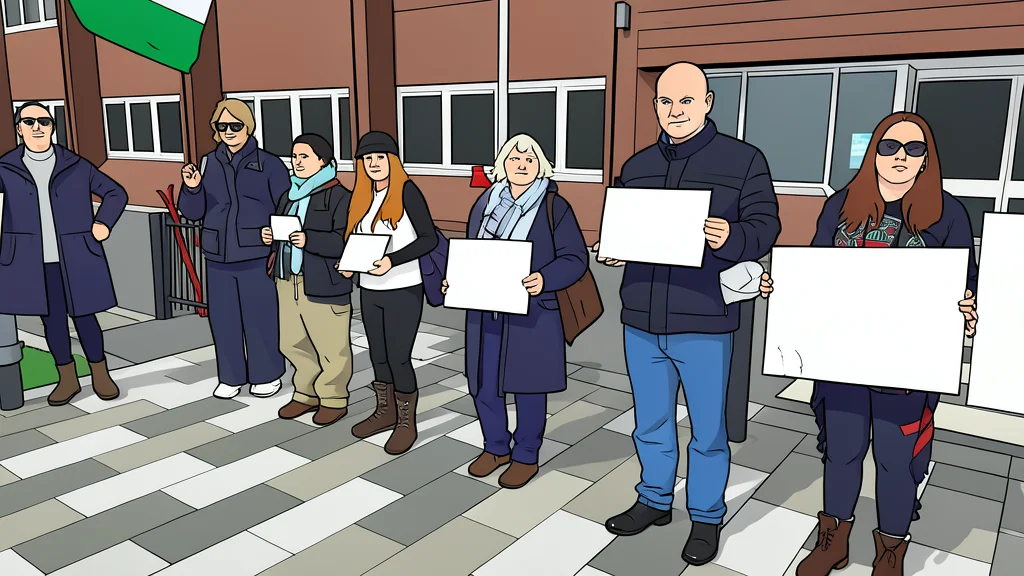
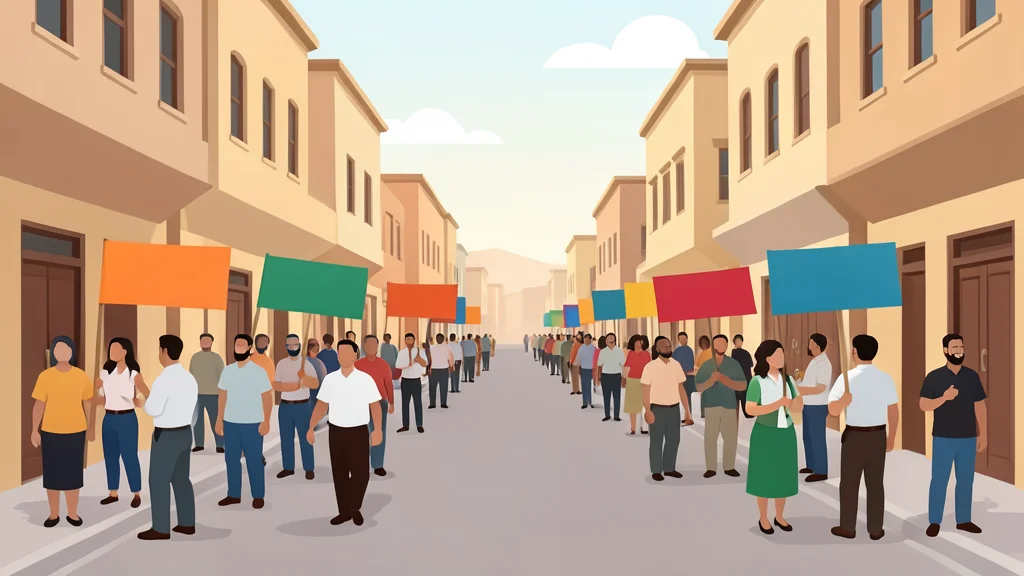
Dozens of demonstrators marched through central Tunis on Saturday, demanding the immediate release of four activists associated with the Global Sumud Flotilla. The protest, which began at the headquarters of the Tunisian National Journalists’ Union and proceeded along Avenue Habib Bourguiba, was marked by the display of Tunisian and Palestinian flags. Organizers stated that the demonstration was a direct response to the deteriorating physical condition of one of the detainees, who has been on a hunger strike for approximately 35 days.
The four men, Wael Naouar, Ghassen Henchiri, Ghassen Boughdiri, and Nabil Channoufi, have been held in pre-trial detention since March. According to Tunisian state media citing judicial sources, they are under investigation for alleged financial irregularities linked to fundraising for the humanitarian convoy. Their defense team and supporters categorically deny any wrongdoing, arguing instead that the case is part of a broader crackdown on civil society and political dissent in the country.
Deteriorating Health Conditions
Ghassen Bouaazi, a member of the National Committee for the Defence of Sumud Flotilla Activists, reported that Naouar’s health has declined significantly. He described symptoms including repeated fainting, difficulty breathing, and hallucinations, noting that Naouar has lost more than 20 kilograms. Bouaazi stated that there is now a real danger threatening the activist’s life and held the government politically and legally responsible for the detainees' well-being.
The other three detainees joined the hunger strike on September 9, according to statements from supporters. The committee described the accusations against the group as dubious and characterized the prosecutions as an attempt to criminalize independent solidarity with Palestinians. They further alleged that the judicial system lacks independence and is subject to the monopoly of the executive branch.
Broader Civil Society Mobilization
The latest demonstration follows a call for wider mobilization issued by former members of Tunisia’s General Students Union and activists from various generations of the student movement. In a statement released earlier this week, the group urged trade unions, rights defenders, and civil society organizations to join the cause. They emphasized that President Kais Saied and his government bear responsibility for the safety of the hunger strikers.
According to GN geopolitics/rights (en-US), the situation reflects a growing tension between the state and independent civil society groups. The activists are part of an international campaign that sought to challenge the blockade of Gaza and deliver humanitarian aid. As the case moves toward a prolonged detention period, observers note that the legal and political dimensions of the dispute continue to deepen.
Forward Looking Context
The next few weeks will likely see increased pressure on the Tunisian authorities as the hunger strikes continue. Medical interventions or changes in the legal status of the detainees may become imminent. The response of the government to these health warnings will be a key indicator of the broader trajectory regarding civil liberties and judicial independence in Tunisia.