Conflicting Accounts Emerge After Tanker Attack in Strait of Hormuz
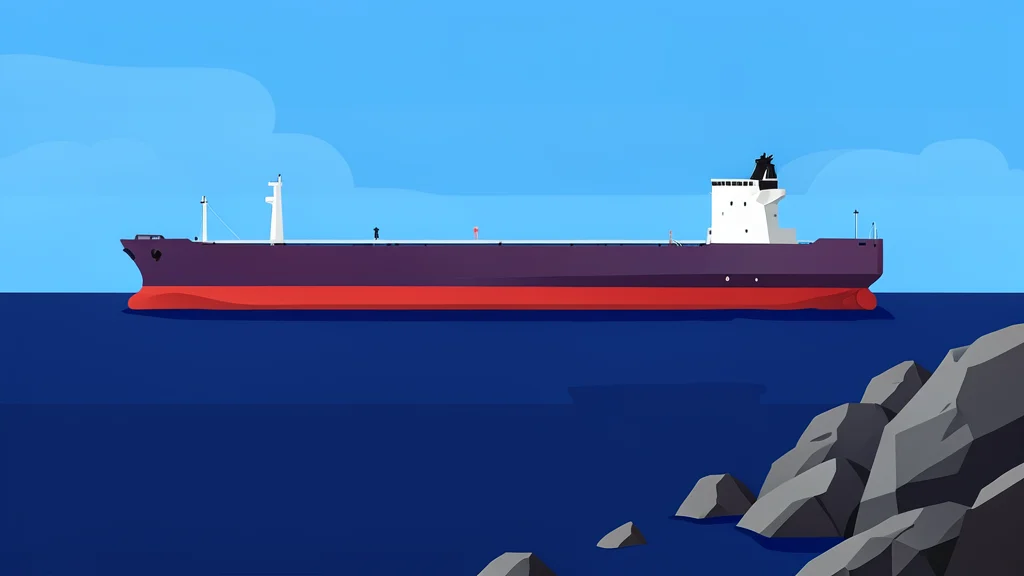
Oman reports two missing seafarers after the El Gaia was targeted, as Iran and the US present diverging explanations for the incident.
Two sailors remain missing and 23 others have been rescued following an attack on the Panama-flagged oil tanker El Gaia in the Strait of Hormuz, according to Oman’s Maritime Security Centre. The vessel, which suffered a fire in its engine room, is currently being towed to an Omani port after being targeted approximately 2.4 kilometers north of the Musandam peninsula.
The incident has reignited a dispute over the cause of the damage, with Iran’s Revolutionary Guards claiming the tanker struck naval mines while navigating a restricted route. Conversely, US military officials reject this narrative, asserting that the ship was hit by an Iranian missile last month and subsequently targeted by a drone over the weekend.
Diverging Narratives on the Cause
According to BBC World, the conflicting statements highlight the ongoing tension in the region. The UK Maritime Trade Operations centre corroborated the presence of a projectile, reporting that the vessel was struck by an unknown object in the early hours of Sunday. This mirrors a similar incident earlier this month involving the Saudi-owned supertanker Sidr, where Iranian authorities blamed a mine strike while Saudi officials and security firms cited Iranian targeting.
Escalating Risk for Global Shipping
The attacks contribute to a broader pattern of disruption in one of the world’s most critical energy chokepoints. The International Maritime Organization reports that at least 22 seafarers have been killed in 79 confirmed incidents across the Middle East since the start of the US and Israel’s conflict with Iran in late February. The strait, which typically handles a fifth of global oil and gas shipments, has effectively been closed due to sustained missile and drone activity alongside a US naval blockade of Iranian ports.
Diplomatic efforts to stabilize the region have also faced setbacks. Although the US and Iran reached a preliminary agreement in June to end hostilities and reopen the strait, the deal collapsed within weeks as Iranian attacks on shipping resumed. Iran has maintained its position that it will retain a degree of control over the waterway, specifically targeting vessels that use the southern route through Omani waters to avoid Iranian channels.
Uncertainty Over Future Maritime Security
As the El Gaia is towed to safety, the international community watches closely for signs of de-escalation or further retaliation. The lack of a unified account of the incident complicates efforts to assign responsibility and restore confidence among commercial operators. Observers note that until a clear framework for safe passage is established, the risk to global energy supplies remains high, with the fate of the missing sailors serving as a stark reminder of the human cost of the standoff.