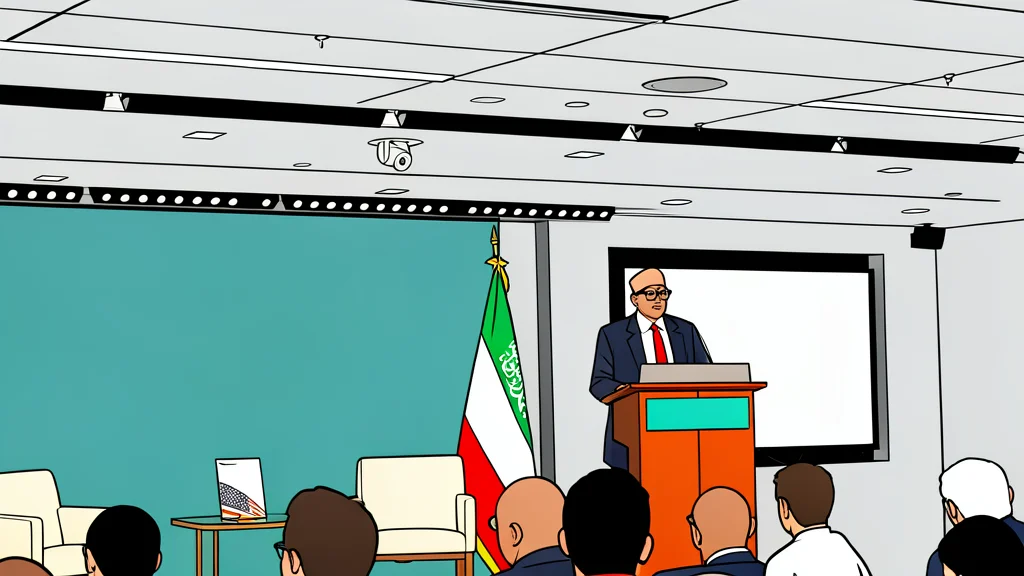
Somaliland's Three Decades of De Facto Governance
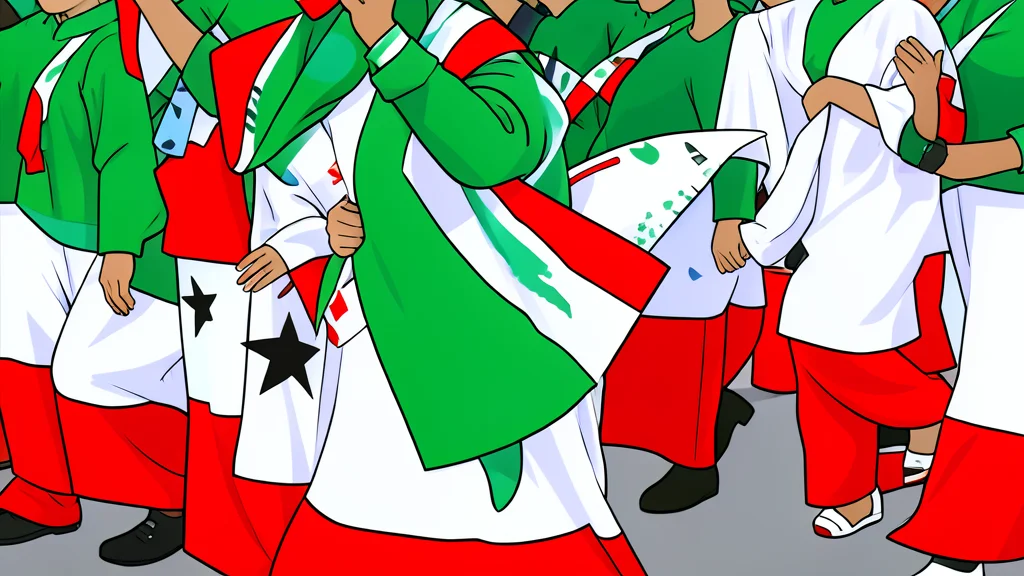
Somaliland has maintained a stable political structure for over three decades, prompting renewed debate on the legal and historical foundations of its separation from Somalia.
The political status of Somaliland remains one of the most enduring unresolved questions in the Horn of Africa. For more than thirty years, the self-declared state in northwestern Somalia has operated with a degree of stability that contrasts sharply with the prolonged conflicts in the rest of the country. Recent academic and legal analyses are revisiting the historical and juridical arguments that underpin its claim to sovereignty, moving beyond simple narratives of ethnic division to examine the specific grievances that fueled the 1991 secession.
According to the GN auto geopolitics/africa: Horn of Africa report, the current discourse focuses on the intersection of international law and domestic constitutional practice. While Somaliland has established a functioning democratic system, including a constitutional framework ratified by referendum in 2001, it lacks formal international recognition. This gap between de facto governance and de jure status continues to shape its diplomatic and economic relationships, particularly with neighboring states and global powers.
Historical Roots of the Separation
The origins of the split are often traced to the 1960 unification of British and Italian Somaliland. However, recent scholarship suggests that the primary driver was not a broad desire for political separation, but rather specific institutional grievances. A government commission report from 1961, cited in recent analyses, indicated that disparities in military ranks and promotions were the root cause of early unrest. This perspective challenges the notion that regional discontent was the sole motive, pointing instead to administrative frustrations and youthful ambition within the security apparatus.
The collapse of the Siad Barre regime in 1991 provided the immediate context for the declaration of independence. In the chaos following the military takeover and the subsequent civil war, the northern region established local councils that eventually consolidated into a centralized authority. Scholars note that this bottom-up approach to conflict resolution allowed the region to establish a distinct political identity, separate from the fragmented power structures that emerged in the south.
Legal Frameworks and Recognition
The legal case for Somaliland relies on principles of self-determination and the practical reality of its statehood. The region has maintained continuous governance, held elections, and established a supreme court, all of which are cited as evidence of a functioning state. Despite this, the international community has generally adhered to the principle of territorial integrity, recognizing the unity of Somalia. This stance creates a complex legal environment where Somaliland operates as a sovereign entity in practice but remains a sub-national region in formal diplomatic registers.
Proponents of recognition argue that the region’s strategic location, facing Yemen across the Gulf of Aden, makes it a critical actor in regional security. Some analysts suggest that major powers should consider engaging more actively with the government in Hargeisa to support its economic and political stability. However, others caution that such moves could complicate relations with Mogadishu and destabilize the broader Horn of Africa, a region already marked by competing interests and security challenges.
Future Diplomatic Trajectories
Looking ahead, the trajectory of Somaliland’s status will likely depend on its ability to sustain internal stability and navigate external pressures. The region has experienced significant economic growth and democratic consolidation in recent decades, which strengthens its claim to legitimate governance. However, the lack of formal recognition limits its access to international financial institutions and multilateral forums. As regional dynamics shift, the question of whether to pursue full sovereignty or maintain a negotiated status within a federal Somalia remains a central issue for policymakers in both Hargeisa and Mogadishu.
Observers are watching closely for any signs of diplomatic engagement from major international actors. The balance between supporting self-determination and preserving regional unity will be tested in the coming years. The outcome will have significant implications for the broader architecture of statehood in the Horn of Africa, potentially setting precedents for other regions seeking autonomy or independence in the face of historical and political complexities.