Pakistan Urges UN Security Council to Prioritize Diplomatic Solutions
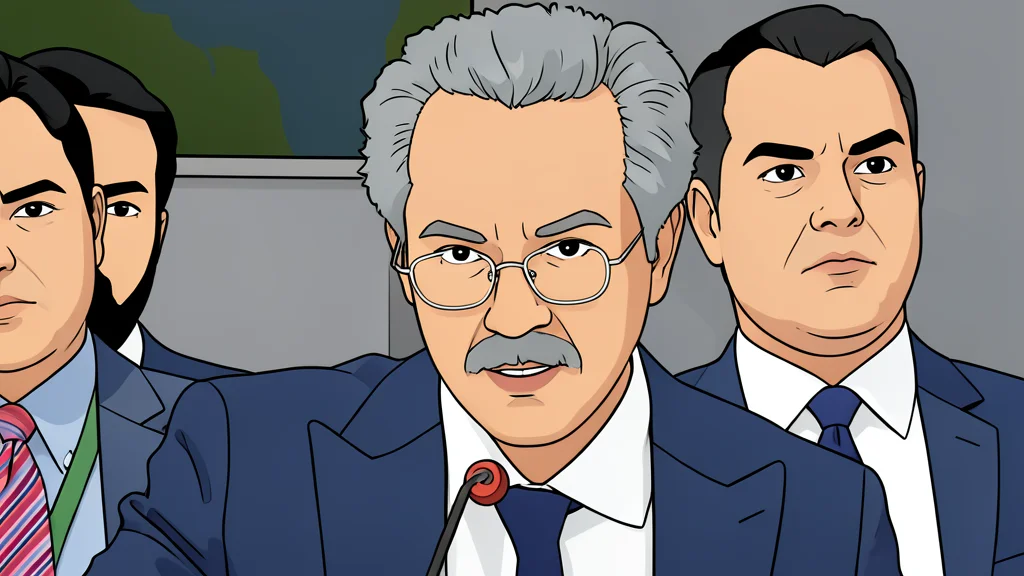
Islamabad's envoy to the United Nations called for renewed engagement to mitigate regional instability, highlighting the need for unified multilateral action amidst ongoing tensions.
Pakistan has described the recent escalation of violence in the Middle East as a significant threat to regional peace, urging international bodies to prioritize diplomatic resolution over further confrontation. During a session of the United Nations Security Council, Islamabad’s representative emphasized that sustained dialogue remains the most viable path toward stability, even as geopolitical pressures mount across the region.
According to the reporting from GN auto geopolitics/middle-east: Middle East diplomacy, Ambassador Asim Iftikhar Ahmad stated that while the current situation is unsettling, the capacity for diplomacy to yield results has not been exhausted. The Pakistani delegation argued that constructive engagement and the facilitation of message exchanges are critical for creating conditions conducive to meaningful negotiations among conflicting parties.
Council session reviews Iran sanctions
The debate took place during a review of the 1737 Sanctions Committee, a body established to monitor compliance with non-proliferation measures. Although the committee’s reporting requirements were suspended following the 2015 Joint Comprehensive Plan of Action, the session was convened by France, the current Council President, to address ongoing concerns regarding Iran’s nuclear program and the broader implications for international security.
In August 2025, France, Germany, and the United Kingdom triggered the snapback mechanism to reimpose United Nations sanctions on Iran. The Pakistani ambassador noted that the breakdown of diplomatic channels and the resumption of hostilities have complicated the Security Council’s ability to address the nuclear issue effectively, calling on member states to find common purpose in upholding international peace.
Diplomatic efforts focus on de-escalation
Islamabad has positioned itself as a proponent of de-escalation, actively coordinating with regional and global partners to support ceasefire efforts. The Pakistani envoy highlighted the importance of sustained interaction at the leadership level, aiming to encourage dialogue and facilitate the exchange of messages between adversaries to prevent further deterioration of the security environment.
Call for unified multilateral action
Ambassador Ahmad expressed concern that continued divisions among Council members have hindered the work of subsidiary bodies, urging a unified approach to addressing geopolitical challenges. He reaffirmed Pakistan’s commitment to principled, dialogue-oriented diplomacy, suggesting that the international community must shoulder its collective responsibility to restore stability and safeguard the prospects for long-term peace in the Middle East.