Economic and Security Pressures Delay Weddings in Iran
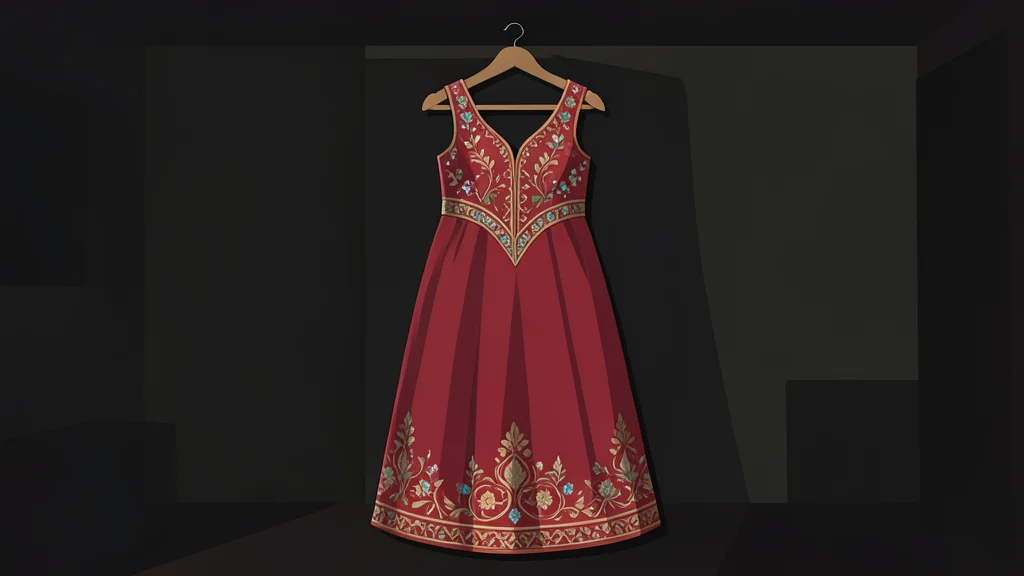
Rising costs and ongoing conflict are forcing young Iranian couples to postpone marriages and scale back ceremonies.
In Tehran, the prospect of a traditional wedding has become a calculation of risk and affordability for many young couples. Subhan Dashti and his fiancée, Nadia Sabzi, had planned their union for the Iranian New Year last spring. However, the escalation of hostilities between the United States and Israel, combined with a sharp spike in inflation, forced them to halt preparations. Dashti, who earns well above the national average, found that the price of a single television had increased by nearly 50 percent in just a few months. Consequently, the couple decided to delay the ceremony indefinitely, prioritizing financial stability over immediate commitment.
This personal hesitation reflects a broader demographic shift across the country. According to Al Jazeera English, the convergence of war, sanctions, and economic instability is fundamentally altering the social fabric of Iranian society. Young people are no longer just weighing the cost of a ring or a venue; they are assessing the security of their future. The decision to postpone marriage is not merely a break from tradition but a pragmatic response to an environment where basic household costs are rising faster than wages can keep pace.
Inflation Outpaces Average Wages
The economic disparity between the cost of living and average income has created a barrier that even professional workers struggle to overcome. The minimum wage in Iran is currently estimated at roughly 16 million tomans per month, while the average salary hovers around 25 million tomans. In contrast, a standard bridal makeup package in Tehran now costs approximately 70 million tomans, and a VIP package can reach 150 million tomans. Simin Nouri, a makeup artist in the Tehranpars district, noted that her business has seen a significant drop in volume, with bookings falling from several per day to just a few per week. Clients are increasingly downgrading their requests, skipping hair extensions and skincare to save money, yet the core cost of the event remains prohibitive for many.
For newlyweds who have already tied the knot, the financial burden continues to mount. Pejman and Sanaz, an engineering couple who married in July, reported that their annual housing costs increased by 71 percent within a year. Their rent and deposit, which totaled about 34 million tomans a year ago, now require nearly 58 million tomans. This rapid devaluation of purchasing power means that even those with stable, above-average incomes find their financial runway for starting a family constantly shrinking. The uncertainty is not just about the present cost of a wedding, but the long-term ability to sustain a household in a volatile economic environment.
Security Concerns Shape Decisions
Beyond the ledger of costs, the shadow of violence hangs over social gatherings. Sabzi, Dashti’s fiancée, expressed deep anxiety about the safety of large celebrations. She cited a US strike in early September on a private home in Sirik County, where a wedding was taking place, resulting in significant casualties. The incident highlighted the vulnerability of civilian events during periods of heightened military activity. For Sabzi, the fear is not abstract; it is a nightly question asked of her partner: what happens if the conflict reignites during the ceremony? This psychological toll has made the concept of a traditional, large-scale wedding feel not just expensive, but dangerous.
The result is a cultural retreat toward privacy and modesty. Many couples are opting for smaller, more intimate gatherings to reduce their exposure to both financial risk and potential security threats. The vibrancy of traditional wedding seasons, once a hallmark of Iranian social life, has muted. As Nouri observed, her friends have declined even discounted services because the underlying obstacle is not the makeup, but the feasibility of the wedding itself. The marriage, a cornerstone of social stability, is being redefined by the immediate pressures of survival.
Uncertain Future for Young Couples
As the geopolitical situation remains fluid, the trajectory of these personal decisions is difficult to predict. The postponement of weddings serves as a barometer for the broader economic and social climate in Iran. Young Iranians are forced to navigate a landscape where the future is rarely seen as a stable foundation for long-term commitments. Whether these delays are temporary pauses or permanent shifts in marital patterns will depend on the resolution of the conflict and the stabilization of the economy. For now, the dream of a shared home is suspended, waiting for a peace that remains elusive.