Cuba Envoy Challenges US Tariff Authority in India
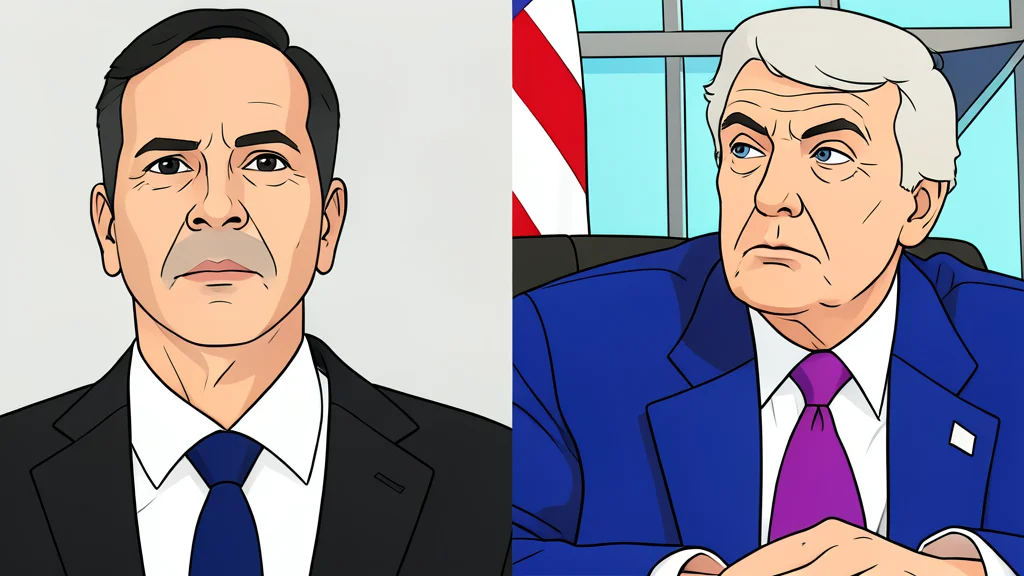
Cuba's ambassador to India has publicly challenged the legal basis of Washington's trade measures, framing them as unilateral political tools rather than standard economic policy.
Juan Carlos Aguilera, the Cuban ambassador to India, has articulated a firm diplomatic stance against the United States' recent tariff and sanctions regime. Speaking during a visit to the state of Odisha, Aguilera argued that Washington lacks the sovereign right to impose trade barriers on other nations for political ends. This public rebuke highlights the deepening ideological rift between Havana and Washington, particularly regarding the use of economic leverage in international relations.
The comments were made in the context of broader tensions involving the Sanctioning Russia and Iran Act, which recently passed the US House of Representatives. The legislation grants the US president significant discretion to impose tariffs of up to 100 percent on countries that purchase Russian energy products. Aguilera specifically criticized this approach, stating that unilateral actions to halt trade between Russia and the rest of the world are not legitimate under international norms.
Legitimacy of Unilateral Trade Measures
According to the Cuban envoy, the imposition of tariffs for political reasons violates the principles of sovereign equality among nations. He emphasized that while Cuba disagrees with Washington's policies, it maintains a distinction between the US government and the American people, noting that many citizens may not support such coercive measures. This narrative serves to isolate the US administration diplomatically while seeking to build solidarity with other nations facing similar economic pressures.
The criticism extends beyond trade to broader geopolitical actions, including recent moves regarding Venezuela. Aguilera accused Washington of using force to control Venezuelan oil resources, framing these actions as part of a wider pattern of imperialist exploitation. By linking trade policy to broader security and sovereignty issues, Havana aims to present a coherent alternative to US-led economic hegemony.
BRICS Cooperation and Strategic Alignment
In positioning itself against US dominance, Cuba has highlighted its role within the BRICS grouping. Aguilera described cooperation within this bloc as strategically important, citing joint efforts to strengthen collaboration across various fields. He noted that despite limited natural resources, Cuba’s strength lies in its intellectual wealth and educational infrastructure, which he described as foundations of national survival. This perspective underscores a shift toward multilateral engagement as a buffer against bilateral pressure from Washington.
The ambassador also expressed gratitude for India's moral support, emphasizing the enduring ties between New Delhi and Havana. By invoking the partnership within BRICS, Cuba signals its intention to remain an active participant in reshaping the global economic order. This alignment suggests that Havana views the current geopolitical moment as an opportunity to solidify alliances with non-Western powers and challenge the unipolar status quo.
Implications for Global Trade Dynamics
The US House’s passage of the Sanctioning Russia and Iran Act marks a significant escalation in the use of trade policy as a tool of statecraft. The act’s broad provisions, which allow for discretionary tariffs on countries like China and India, have raised concerns among trading partners about the unpredictability of US economic policy. According to the GN auto geopolitics/global: sanctions policy, such moves are increasingly viewed by critics as an attempt to decouple rival economies from the global market through punitive financial measures.
As the debate over the legality and efficacy of these tariffs continues, observers will watch how other nations respond to the pressure. The coming weeks may see increased diplomatic activity as countries seek to mitigate the impact of potential sanctions. The focus will likely remain on whether the US can enforce these measures without triggering broader retaliatory actions or accelerating the fragmentation of the global trading system.