Iran Submits Bill to Withdraw from Nuclear Non-Proliferation Treaty
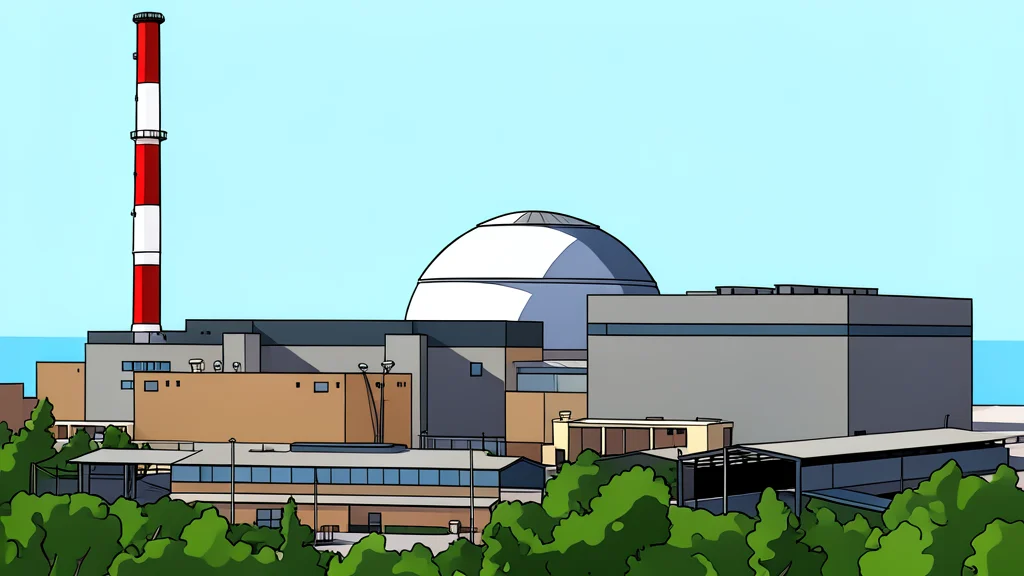
Tehran has formally initiated a legislative process that could sever its final legal ties to the global non-proliferation regime, marking a critical juncture in Middle East nuclear diplomacy.
Iranian legislators have submitted a bill to the Parliament’s Presiding Board seeking the country's withdrawal from the Nuclear Non-Proliferation Treaty, according to reports from GN auto geopolitics/middle-east: Iran nuclear. This move signals a potential shift from diplomatic negotiation to unilateral autonomy in Tehran's nuclear policy. The proposal was presented with triple urgency, indicating a desire to expedite the legislative process before the next full parliamentary session.
The initiative comes amid heightened tensions following a resolution by the International Atomic Energy Agency's Board of Governors to refer Iran's case to the UN Security Council. Lawmakers argue that continued participation in the treaty offers no tangible benefits in the face of perceived external aggression. The bill now requires approval from Parliament Speaker Mohammad Baqer Qalibaf to be placed on the agenda for debate and potential passage.
Legislative push for treaty exit
Hossein-Ali Haji Deligani, a member of the Iranian parliament, confirmed that the draft legislation is ready for presentation to an open session. He emphasized that the current geopolitical environment renders membership in the NPT disadvantageous for Tehran. Deligani cited two specific instances of what he described as enemy aggression as primary drivers for reconsidering the country's international obligations. According to his remarks, the strategic calculus has shifted toward managing nuclear affairs independently rather than relying on treaty frameworks.
The legislative effort is part of a broader strategic recalibration by Tehran. By framing the withdrawal as a response to specific political and military threats, proponents aim to consolidate domestic support for a more assertive nuclear posture. The speed with which the bill was submitted suggests a coordinated effort among factions within the Iranian government to preempt further international pressure. This approach contrasts with previous periods where Tehran maintained a diplomatic stance while enriching uranium to high levels.
International backlash and diplomatic rifts
The move is directly linked to recent actions by the United States and its European allies, who secured a board resolution to escalate Iran's nuclear compliance issues to the UN Security Council. In response, Russia and China have voiced opposition to any punitive measures against Iran, arguing that recent conflicts have hindered the IAEA's ability to conduct routine inspections. This division among permanent Security Council members complicates the diplomatic landscape and reduces the likelihood of a multilateral compromise. Tehran views this international division as validation of its decision to prioritize national sovereignty over treaty adherence.
Despite the legislative momentum toward withdrawal, senior Iranian officials have maintained a cautious public stance. Major General Mohsen Rezaei, secretary of the Supreme National Security Council, reiterated on Saturday that Iran remains committed to the non-weaponization of its nuclear program. However, he warned that Tehran reserves the right to exit the NPT if faced with continued military or political threats from the United States and Israel. This dual messaging allows Tehran to keep all strategic options open while projecting a defensive posture to domestic audiences.
Strategic implications for regional security
Withdrawal from the NPT would legally permit Iran to develop nuclear weapons without violating international law, fundamentally altering the security architecture of the Middle East. Analysts note that such a step would likely trigger accelerated nuclear programs among regional rivals, increasing the risk of an arms race. The decision also underscores the diminishing effectiveness of international non-proliferation mechanisms in the face of geopolitical conflict. For global powers, the situation presents a complex challenge in balancing deterrence with de-escalation.
The coming weeks will be critical in determining whether the bill passes and what immediate actions Tehran takes. Observers should watch for any further diplomatic engagements or military posturing in the region. The outcome of the parliamentary debate will serve as a definitive indicator of Iran's long-term nuclear strategy and its willingness to decouple from the international community. As tensions persist, the world remains on high alert for developments that could lead to a significant escalation in the Middle East.