Egypt Urges Neutral Navigation as Regional Conflict Persists

Amid widening hostilities in the Middle East, President Abdel Fattah el-Sisi has emphasized the critical importance of maintaining open sea lanes, particularly through the Suez Canal, to ensure global economic stability.
In a statement released by the Egyptian presidency, President Abdel Fattah el-Sisi reaffirmed Cairo’s commitment to the principle of freedom of navigation in international waters. The remarks come at a time of heightened tension, with military engagements in the region threatening to disrupt vital trade routes that connect Europe and Asia. According to the GN auto geopolitics/global: regional conflict, this diplomatic push is part of a broader effort by regional actors to mitigate the economic fallout of ongoing hostilities.
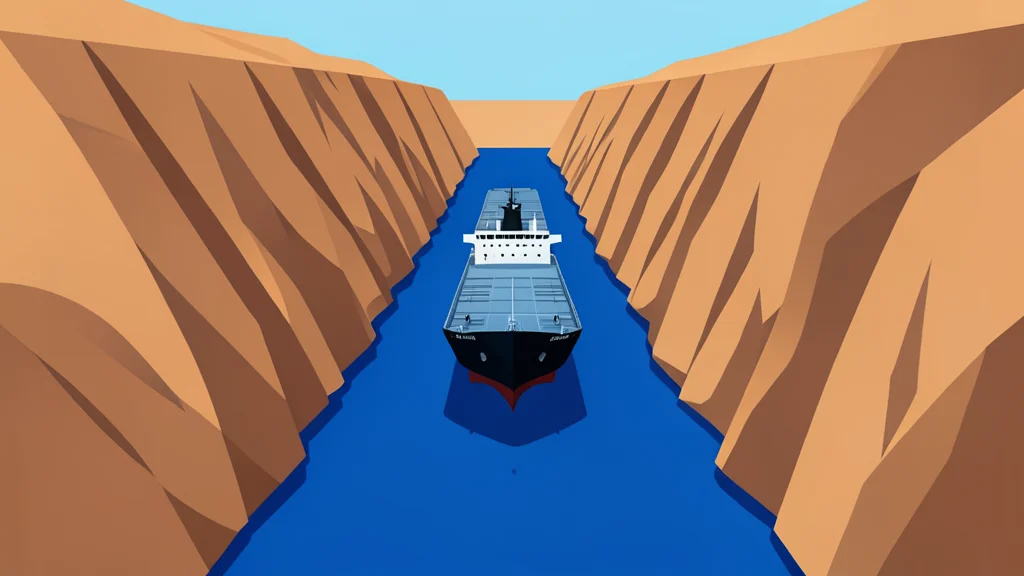
The Suez Canal remains a cornerstone of global logistics, handling a significant percentage of world trade. Egypt has historically positioned itself as a mediator in regional disputes, leveraging its strategic geographic position to advocate for de-escalation. Sisi’s latest comments align with previous Egyptian diplomatic initiatives that have sought to shield the canal from the spillover effects of neighboring conflicts, emphasizing that the stability of these waterways is in the interest of the international community, not just regional actors.
Strategic geography shapes diplomatic posture
Egypt’s foreign policy has traditionally prioritized the security of its borders and the integrity of its maritime infrastructure. As the conflict in the region widens, Cairo faces the challenge of balancing its relationships with various global powers while protecting its own economic interests. The call for freedom of navigation serves as a diplomatic signal that Egypt is actively engaged in managing the crisis, rather than being a passive observer. This approach allows Egypt to maintain a degree of neutrality while asserting its right to protect sovereign infrastructure.
Analysts note that Egypt’s position is particularly crucial given the canal’s role in energy transport. Disruptions to these routes have the potential to spike global commodity prices and destabilize markets. By focusing on navigation rights, Sisi is framing the issue in legal and economic terms, which may provide a more neutral ground for international dialogue than purely military or political interventions. This strategy reflects a careful calibration of Cairo’s diplomatic tools to address immediate security concerns without provoking further escalation.
Economic stakes drive regional caution
The economic implications of the current conflict are becoming increasingly apparent to global markets. Shipping insurance rates have risen, and some carriers have begun rerouting vessels away from the Red Sea, a move that increases transit times and costs. Egypt, which relies heavily on transit fees from the canal, is under pressure to demonstrate that the waterway remains secure and reliable. This economic dependency has likely influenced Sisi’s emphasis on the practical necessity of open navigation, positioning Egypt as a key stakeholder in maintaining global supply chain stability.
Furthermore, the broader regional context includes concerns over energy security. Many nations depend on oil and gas shipments through the Red Sea and the Suez Canal. Any prolonged disruption could have far-reaching consequences for energy-dependent economies. By advocating for the protection of these routes, Egypt is not only safeguarding its own revenue but also appealing to the self-interest of other nations to support de-escalation efforts. This shared economic interest could serve as a basis for broader diplomatic engagement.
Future diplomatic moves await observation
As the situation evolves, the international community will be watching closely for signs of whether Egypt’s diplomatic efforts yield tangible results. The next few weeks may see increased multilateral discussions involving regional and global powers, with the status of the Suez Canal likely to be a central topic. Observers will look for concrete measures to ensure the safety of shipping, such as enhanced naval escorts or agreed-upon safe passage protocols.
Ultimately, the effectiveness of Egypt’s approach will depend on the willingness of other actors to prioritize de-escalation over escalation. The coming period will be a test of whether diplomatic channels can bridge the gap between conflicting parties. For now, the focus remains on maintaining the flow of commerce and preventing the conflict from further destabilizing the region’s already fragile security architecture. The world will be watching to see if these diplomatic overtures translate into lasting calm.