Trump Predicts Early End to Iran Conflict Amid Rising Oil Prices
The US president suggests the war may conclude shortly after the midterm elections, even as regional hostilities intensify and energy markets react to disruptions in key shipping corridors.
US President Donald Trump stated on Saturday that the ongoing conflict with Iran could conclude "very soon," linking a potential resolution to the timing of the upcoming US midterm elections. Speaking to reporters following a meeting with Irish Prime Minister Micheál Martin, Trump asserted that Tehran is attempting to prolong the hostilities to influence the electoral outcome. He maintained that Iran must not acquire nuclear weapons and predicted that a ceasefire would likely occur shortly after the November vote.
These remarks come as the geopolitical situation continues to deteriorate, with fighting spilling beyond Iran's borders and threatening critical energy infrastructure. According to the GN auto geopolitics/global: regional conflict feed, the conflict has entered a more dangerous phase, with disputes over nuclear programs and sanctions remaining unresolved. The instability has already pushed Brent crude prices above $100 a barrel, raising concerns about global inflation and economic stability.
Regional Hostilities Intensify
Despite the president's optimistic timeline, the Council on Foreign Relations describes the current state of affairs as worsening. The conflict has expanded to include significant security threats in the Red Sea, where Yemen's Houthi forces have reportedly made strategic advances along the coast. While Trump claimed that the Houthis do not desire direct confrontation with Washington, recent reports indicate they have seized the port of Mokha and moved toward the Bab al-Mandab Strait, heightening fears for maritime security.
The escalation has resulted in severe humanitarian consequences, with nearly 50,000 Yemenis reportedly displaced from their homes. Aid agencies warn of critical shortages in food, water, and medical supplies as the Houthi advance continues. This development complicates the broader regional picture, as the security of one of the world's most important maritime corridors becomes increasingly precarious.
Energy Infrastructure Under Pressure
The crisis deepened further after Saudi Arabia reported that drones launched from Iraqi territory struck its East-West oil pipeline, forcing a temporary shutdown of the strategic route. Trump suggested that Iran was likely responsible for the attack, though the exact chain of responsibility remains disputed. Iraq has dismissed a senior military commander in Maysan province and launched an investigation, emphasizing that its territory must not be used to launch attacks against neighbors.
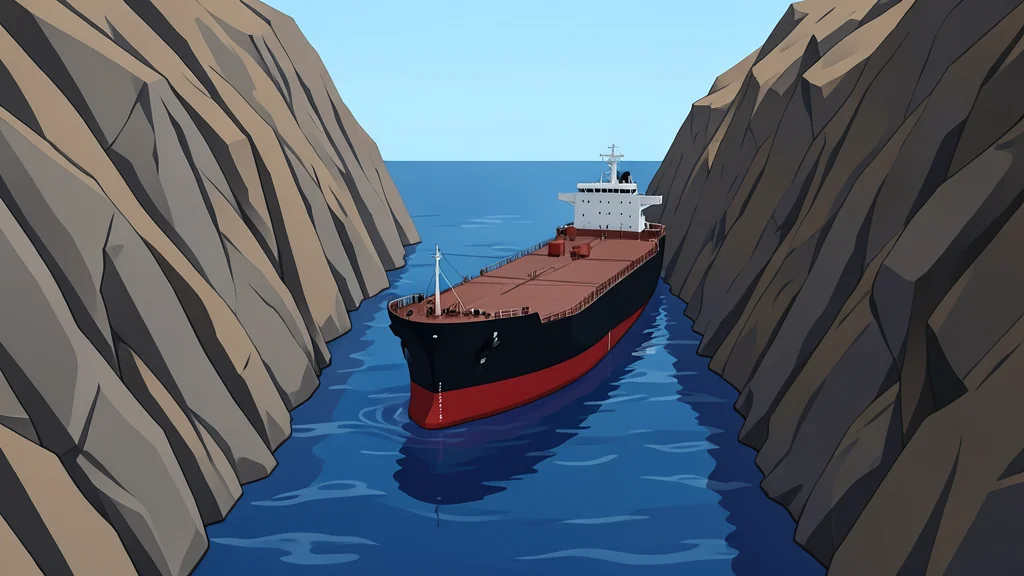
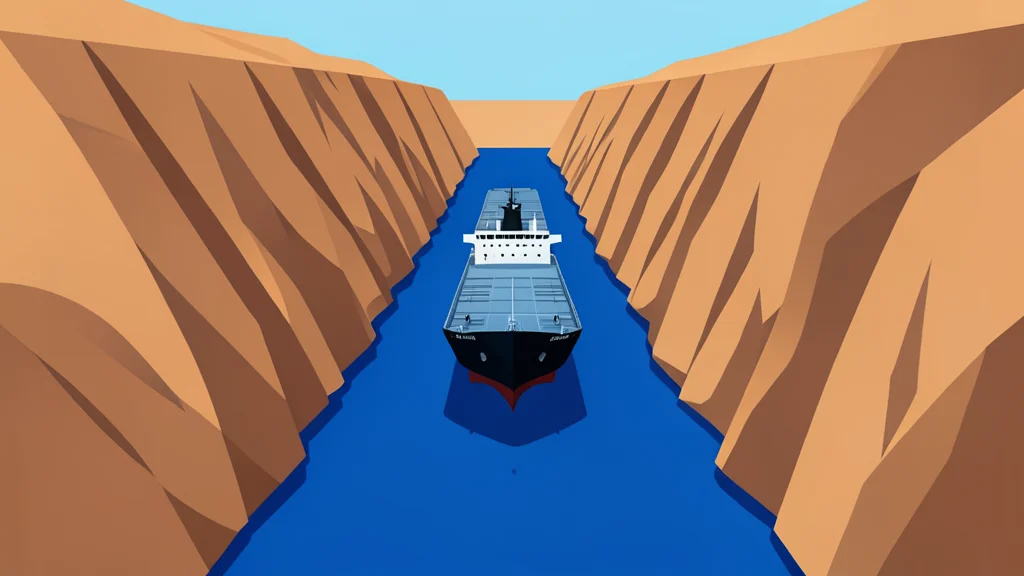
The pipeline is crucial for Saudi Arabia to transport crude to the Red Sea, allowing it to bypass the Strait of Hormuz. This waterway remains central to the wider confrontation, as it historically handles roughly one-fifth of global oil supplies. Any prolonged disruption poses a significant threat to international energy markets, adding economic pressure to the already strained diplomatic landscape.
Uncertain Path Toward Resolution
Trump’s prediction that the war will end after the elections remains unverified, with no public evidence provided to support the claim that Iran is deliberately delaying peace to complicate the political process. Analysts note that the recent escalations, including the pipeline attack and Houthi advances, raise fresh questions about whether the conflict can be resolved on the proposed timetable. The interplay between domestic US politics and regional security dynamics continues to shape the trajectory of the crisis.
Observers are now watching for further developments in the Red Sea and the Strait of Hormuz, as well as any diplomatic movements that might align with the president's stated timeline. The coming weeks will be critical in determining whether the conflict moves toward de-escalation or continues to expand, with significant implications for global energy security and regional stability.