EU Presses US to Reverse Visa Sanctions on Palestinian Delegation
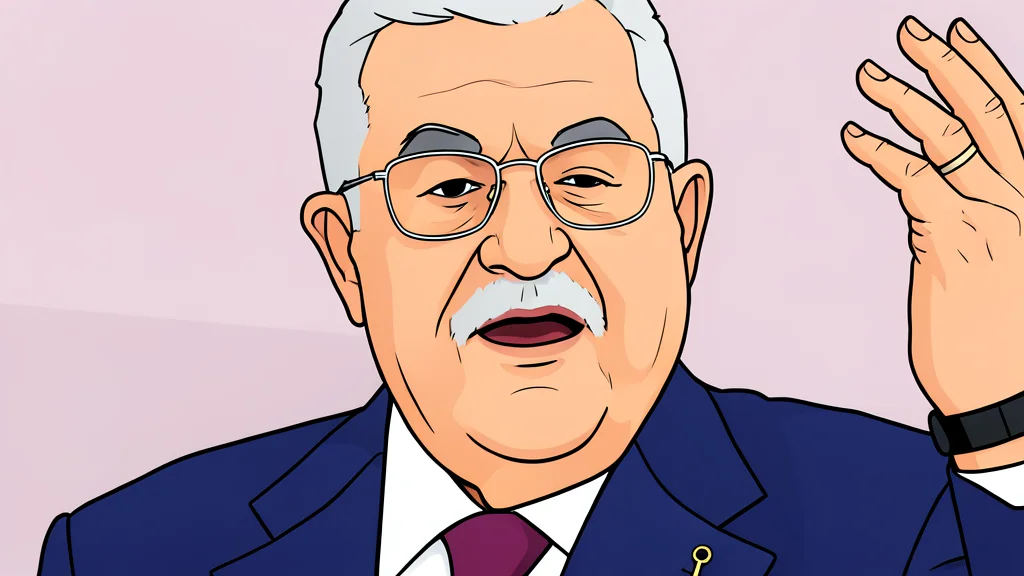
The European Union has called on Washington to reconsider its decision to block Palestinian officials from attending the UN General Assembly, citing host state obligations and diplomatic norms.
The European Union has formally urged the United States to lift visa restrictions preventing Palestinian Authority officials from attending the upcoming United Nations General Assembly in New York. According to a statement released on Saturday, EU diplomats expressed regret over the decision, which marks the second consecutive year that Washington has denied entry to Palestinian representatives. The EU emphasized that the US holds specific obligations as the host state for the UN headquarters and called for a reconsideration of the policy in light of these existing agreements.
This diplomatic push follows a vote by the UN General Assembly allowing Palestinian President Mahmoud Abbas to address the body via a prerecorded video message. The resolution was passed just days before the EU’s statement, signaling an attempt to ensure Palestinian participation despite the travel barriers. UN Secretary-General Antonio Guterres also voiced concern regarding the impact of the visa sanctions on Palestine’s ability to engage fully in the organization’s work, according to reports from Al Jazeera English. The US Department of State, however, maintains that the restrictions are necessary due to what it describes as a failure by the Palestinian Authority to meet reform commitments and ongoing activities that undermine peace prospects.
Diplomatic Tensions Over UN Participation
The core of the dispute centers on the broader geopolitical landscape involving the Palestinian Authority, the Palestine Liberation Organization, and international legal forums. The US State Department cited the PA’s pursuit of international recognition and its engagement with international courts as key factors in extending the visa sanctions. Conversely, Palestinian officials have framed the UN’s resolution as a safeguard against attempts to marginalize their participation in global governance. The situation highlights a growing divergence between Western diplomatic stances and US policy regarding the path toward a two-state solution.
Amidst these bureaucratic hurdles, the anticipated address by President Abbas is expected to focus on the humanitarian crisis in Gaza and the expansion of settlements in the West Bank. The speech is likely to build on recent diplomatic shifts, including formal recognitions of Palestinian statehood by several European nations. While the US has not imposed similar travel restrictions on Israeli officials, despite ongoing legal proceedings at the International Criminal Court, the current visa policy continues to shape the dynamics of multilateral diplomacy in New York.
Looking Ahead to General Assembly Session
As the 81st session of the General Assembly approaches, attention will turn to how the recorded address resonates with the international community. The coming weeks will test the resilience of multilateral engagement despite unilateral travel restrictions. Observers will watch closely for any shifts in US policy or further diplomatic maneuvers by the EU and other nations seeking to uphold the inclusive character of the United Nations platform.