African Crop Diversity Declines Amid Green Revolution Push
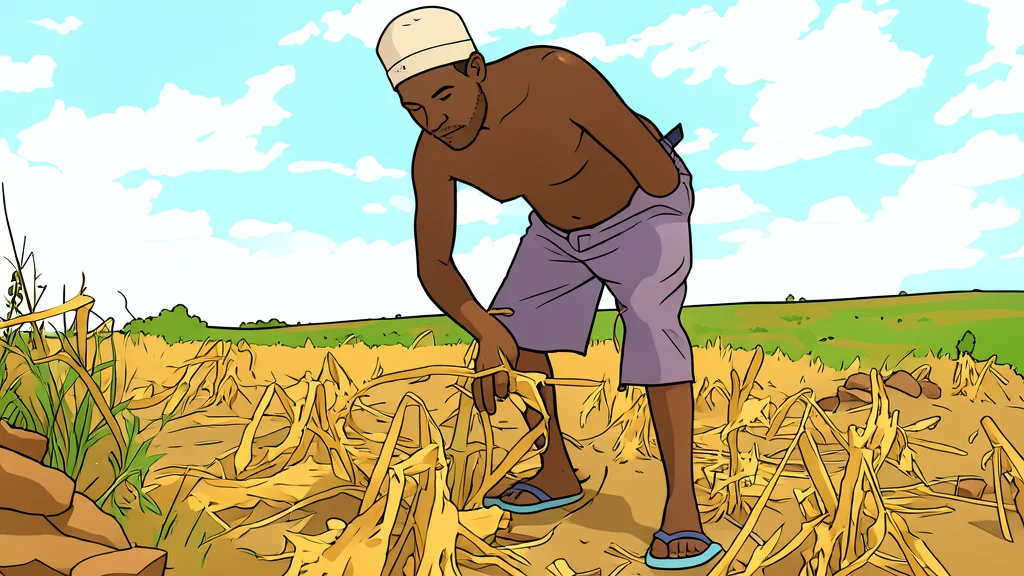
New research suggests that the heavy promotion of maize monocultures is displacing resilient traditional crops like millet, potentially undermining long-term food security in the region.
As the Alliance for a Green Revolution in Africa (AGRA) marks its 20th anniversary, a new study casts doubt on the efficacy of its core strategy. According to the research, the initiative’s heavy investment in commercial seeds and fertilizers has not delivered the promised productivity surge, particularly for maize. Instead, the data indicates that the widespread adoption of monocultures has come at the expense of traditional crops that are often more nutritious and better adapted to local climates.
The findings highlight a significant shift in agricultural land use across participating countries. While maize production has more than doubled since 2006, driven by expanded planting areas and substantial subsidies, the production of millet, a drought-resistant grain, has fallen by 27 percent. This divergence suggests that the current model may be reducing crop diversity at a critical time when climate resilience is essential for food security.
Displacement of Resilient Local Staples
The study notes that millet, sorghum, and cassava have lost ground to maize in several African nations. Prior to the launch of AGRA projects, millet was as prevalent as maize in many of these regions. However, with land allocated to maize increasing by 71 percent, land dedicated to millet has decreased by 12 percent. Researchers argue that this shift is problematic because millet can withstand heat and drought with fewer external inputs, providing a crucial food source in arid areas where other crops struggle.
Critics of the Green Revolution approach have long warned that prioritizing a single cash crop undermines the biological diversity of African farming systems. The United Nations Food and Agriculture Organization recently highlighted the benefits of millets for environmental and social welfare. By sidelining such crops, the current agricultural model may be limiting the options available to farmers who need diverse, hardy plants to navigate the challenges of climate change and desertification.
Yield Gaps and Subsidy Effects
Despite billions of dollars in subsidies and investment aimed at boosting maize yields, the results have been modest. Across AGRA-participating countries, maize yields have grown by only 40 percent over 18 years, falling short of the 100 percent improvement promised by the initiative's founders. In some cases, such as Kenya, where AGRA is headquartered, maize yields have actually declined. The increase in total maize production appears to be driven primarily by the expansion of planted area rather than improved productivity per hectare.
The economic and nutritional implications of this trend are significant. In countries where AGRA has had a significant presence, the number of undernourished people has increased by approximately 60 percent, a rate similar to the rest of the continent. This suggests that the focus on maize has not effectively addressed hunger, which is often exacerbated by conflict, supply chain disruptions, and changing weather patterns. The lack of investment in traditional crops like groundnuts and cassava has also led to productivity declines, further narrowing the agricultural base.
Implications for Future Food Security
The research suggests that a strategy focused on reducing crop diversity may be counterproductive in the face of climate instability. Small-scale farmers, who produce the majority of food for local communities, benefit from a wider variety of crops that can adapt to different environmental conditions. The push for monocultures, as reported by Al Jazeera English, risks creating a fragile food system dependent on a single commodity that is vulnerable to pests, disease, and climate shocks.
Looking ahead, the challenge for policymakers and development agencies is to balance the need for productivity with the imperative of resilience. As climate change intensifies, the ability of traditional crops to thrive with minimal inputs becomes increasingly valuable. The coming years will likely see continued debate over agricultural funding priorities, with a growing call to reinvest in indigenous crops that have sustained communities for generations. The focus is shifting toward whether future strategies will prioritize diversity and local adaptation over the expansion of single-crop systems.