Iraqi Parliament Approves 11 Measures to Fix Fuel Crisis
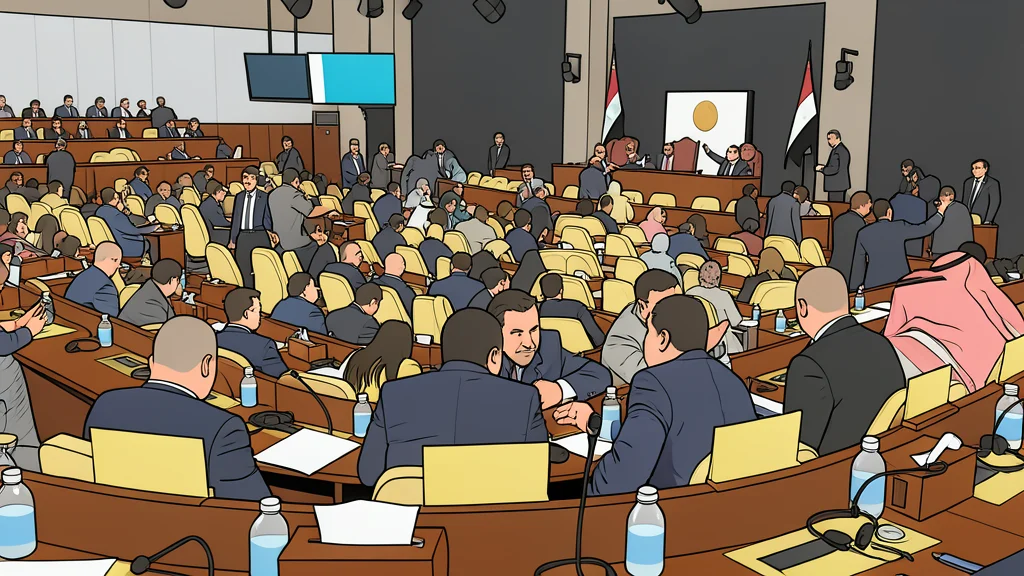
Legislators voted on urgent steps to address gasoline shortages, citing a drop in strategic reserves and disputes over fuel allocations to the Kurdistan Region.
Key points
- Iraqi parliament voted on 11 recommendations to address a daily gasoline deficit of 1.776 million liters.
- Strategic gasoline reserves have dropped from 350 million liters to 107 million liters due to regional conflict.
- Lawmakers directed a review of white oil allocations to the Kurdistan Region to ensure compliance with annual quotas.
The Iraqi parliament has voted on a comprehensive set of eleven recommendations aimed at resolving the country's deepening fuel crisis. The legislative move follows weeks of deteriorating supply conditions that have left citizens across both federal and regional territories facing significant shortages.
According to data presented by the Oil Minister, Iraq currently faces a daily deficit of nearly 1.8 million liters of gasoline, a gap attributed to disrupted export routes and increased demand. The parliamentary session marked a formal acknowledgment of the severity of the situation, with lawmakers seeking to reverse a sharp decline in national strategic reserves.
Strategic Reserves Depleted by Conflict
During his deposition before the committee, Oil Minister Basim Mohammed Khudair revealed that Iraq’s strategic gasoline reserve has fallen from 350 million liters to just 107 million liters. This drastic reduction is linked to the ongoing regional conflict, which has complicated the import of necessary derivatives and restricted the flow of exports through the Strait of Hormuz.
The minister noted that while domestic production reached approximately 28.8 million liters daily in August, this figure, combined with limited imports, falls short of the estimated 34.5 million liters required for consumption. The parliament responded by demanding a detailed report on production costs and volumes, as well as a timetable for achieving sustainable self-sufficiency to reduce reliance on external markets.
Kurdistan Region Supply Disputes
A central point of contention in the parliamentary discussions was the allocation of white oil to the Kurdistan Region. The federal government is contractually obligated to supply 50 million liters annually, yet authorities in Erbil have repeatedly stated that actual deliveries have fallen significantly short of this target.
In response, the legislature directed a review of these quantities, urging the immediate allocation of fuel ahead of the winter season. According to The New Region, KRG officials have previously indicated a willingness to transfer their allocated crude oil to Baghdad in exchange for subsidized fuel, highlighting the complex interdependencies between the two administrative entities.
Oversight and Accountability Measures
Beyond logistical adjustments, the parliament issued directives focused on governance and integrity within the energy sector. Lawmakers called for strengthened oversight of the fuel distribution system to identify and penalize those involved in illicit activities or mismanagement that exacerbate shortages.
The recommendations also include a review of senior staff positions within the oil ministry and a reassessment of hydrotreating contracts to exclude defaulting companies. The oil and gas committee has been tasked with monitoring the implementation of these measures and submitting periodic reports to the speaker of parliament to ensure accountability.