Hormuz Traffic Drops to Three Ships as US Claims Normalcy
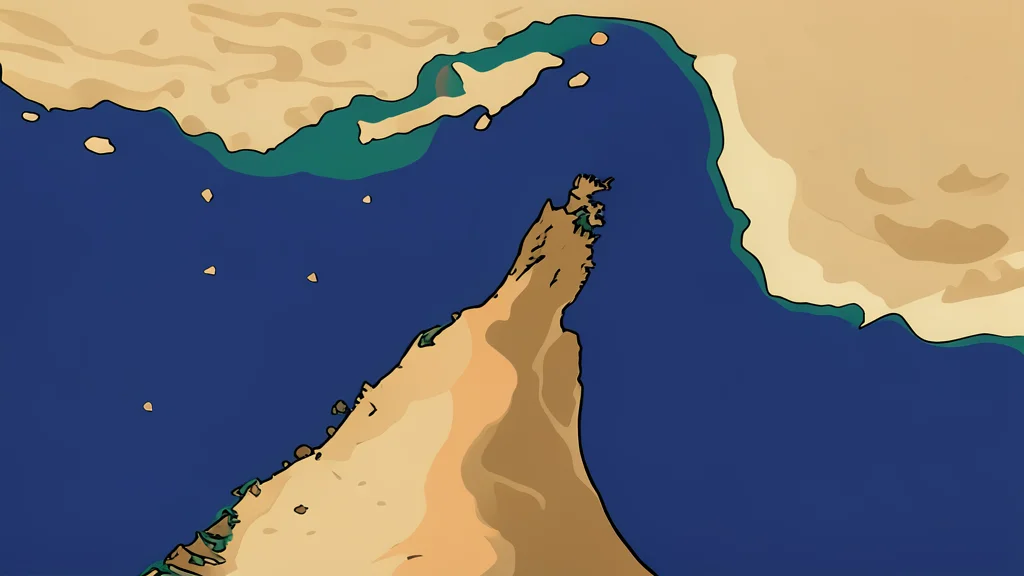
Shipping data shows a sharp decline in Hormuz transits, contradicting recent US claims that oil flows have returned to pre-war levels.
Key points
- US escorts moved 18 million barrels on Sept 1, but traffic fell to three ships by Sept 17.
- Pre-war averages were 125 vessels daily; recent weekends saw only 17 transits.
- Dark crossings and ship-to-ship transfers obscure true traffic volumes and market risk.
The Strait of Hormuz remains open but functions under severe constraints. On September 1, the US escorted 40 vessels carrying 18 million barrels of oil. However, traffic has since dropped significantly, with only three commercial ships crossing by September 17.
Washington cites the September 1 event as proof that navigation has resumed. Tehran, however, argues it retains leverage over the waterway. According to raksha-anirveda.com, this dispute is as much about strategic signaling as it is about physical shipping volumes.
Traffic Plummets After Initial Spike
Pre-war averages stood at about 125 vessels per day. By September 19-20, only 17 commodity vessels transited the strait. Kpler data shows a rapid decline from eight ships on September 7 to just three by mid-month.
Vortexa has recorded only two days since February with flows exceeding 16 million barrels. This suggests the September 1 peak was an exception, not a trend. The strait is usable, but conditions differ vastly from the pre-war era.
Dark Crossings Obscure Real Data
Many tankers now switch off Automatic Identification System transponders. This practice, known as dark crossings, makes tracking difficult. Vessels also use manipulated radio signals and move at night to limit satellite visibility.
Ship-to-ship transfers near Oman allow cargo to change hands before reaching high seas. This shadow shipping complicates estimates. War-risk insurance and freight costs remain elevated, reflecting continued market uncertainty.
Political Narratives Drive Interpretation
The US administration has an incentive to show its naval escorts are effective. Iran seeks to prove it still controls global trade routes. Both sides use transit figures as political tools rather than neutral metrics.
The most reliable indicator is industry behavior. Gulf oil exports remain well below pre-war levels. The market treats the strait as high-risk, despite official claims of restored normalcy in shipping lanes.