Hormuz Transit Fees and Korea's Energy Security
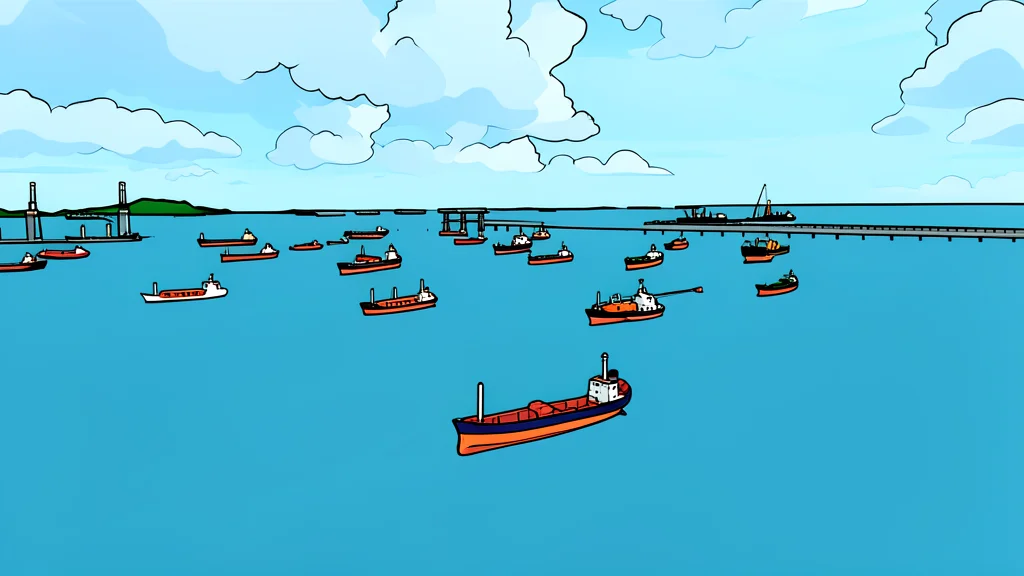
South Korea is assessing the legal and economic implications of reported Iranian demands for transit payments in the Strait of Hormuz, a critical artery for its oil imports.
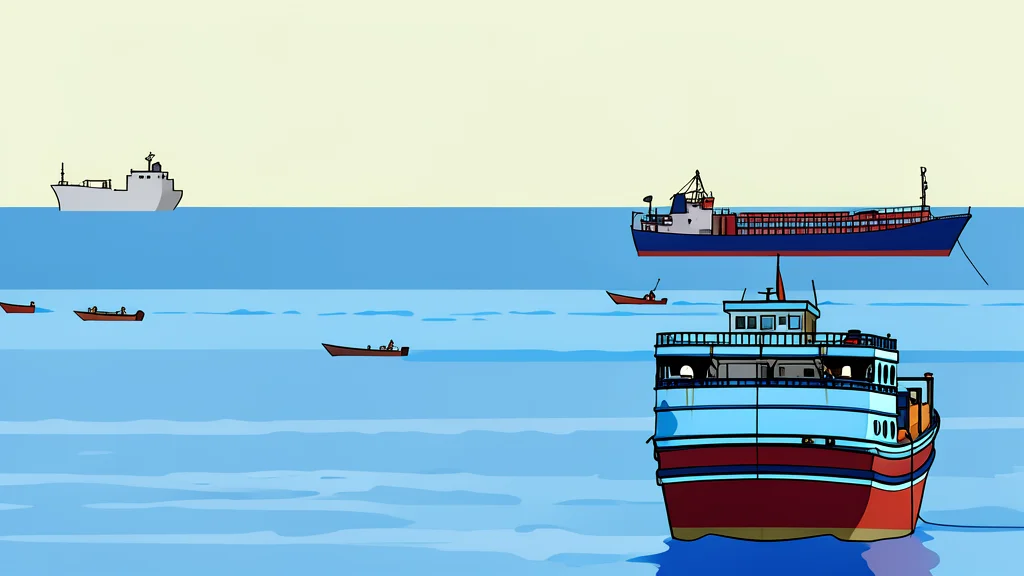
South Korean officials are closely monitoring reports that Iran has begun conditioning passage through the Strait of Hormuz on the payment of fees. According to the GN auto geopolitics/asia-pacific: Korea Strait desk, this development poses a significant challenge to Seoul’s energy security, as the waterway handles approximately 70 percent of the country's crude oil imports. The situation has prompted the dispatch of an inspection team to assess the conditions on the ground and determine the legal status of these new requirements.
The core of the dispute lies in the distinction between a mandatory passage toll and a voluntary fee for specific services. While international law generally prohibits charges imposed solely for the right of transit, it permits non-discriminatory fees for tangible services such as pilotage or towage. However, labeling a mandatory payment as a "security fee" does not automatically render it lawful under international standards, particularly when the payment is required as a condition of passage rather than as a choice by the vessel operator.
Legal Frameworks for International Straits
The United Nations Convention on the Law of the Sea establishes clear protections for transit passage through international straits. Articles 38, 42, and 44 shield this right from interference, discrimination, or suspension by coastal states. Although Iran has signed but not ratified the convention, many legal experts argue that these principles reflect customary international law. This means that even without formal ratification, Iran may still be bound by the obligation to allow unimpeded transit, limiting its ability to impose compulsory conditions on passing vessels.
A critical nuance in this legal debate is the requirement for a separate legal basis to mandate the use of any service. Even if Iran provides genuine navigational aids or safety services, it does not automatically gain the authority to force every passing ship to pay for them. The imposition of a compulsory service as a condition of passage is distinct from offering a voluntary service, and the latter requires specific justification under applicable maritime laws to be enforceable.
Alternative Models for Navigation Funding
Cooperative mechanisms offer a precedent for funding maritime infrastructure without compromising freedom of navigation. The Malacca and Singapore Straits Cooperative Mechanism illustrates how governments can voluntarily contribute to navigational aids and pollution prevention. This model separates the funding of safety improvements from the right of passage, ensuring that ships are not penalized for their transit while still allowing for the maintenance of critical maritime infrastructure through international agreement.
For South Korea, adopting a similar cooperative approach could support safer navigation in the region without accepting unilateral passage tolls. By working with other governments to fund specific projects, Seoul could help maintain the safety of the strait while preserving the legal principle that transit passage remains free from compulsory financial conditions. This strategy aligns with broader regional interests in maintaining stable energy supply chains and upholding established maritime norms.
Implications for Korean Energy Policy
Korean authorities are advised to meticulously document the specifics of any demands made by Iran, including the entity collecting the fees, the claimed service, and the calculation method. This documentation is essential for assessing the legality of the charges and for conducting necessary sanctions reviews. If Korea chooses to support a regional cooperative arrangement, it must ensure that the agreement explicitly preserves the right of transit passage, preventing any future erosion of navigation freedoms.
The next steps will likely involve diplomatic engagement to clarify the legal status of these fees and to explore multilateral solutions. Observers will watch closely for how Seoul coordinates with other affected nations and whether a formal cooperative framework can be established to address safety concerns without undermining the fundamental rights of international shipping.