Houthi Control of Bab el-Mandeb Shifts Red Sea Dynamics

A rapid military advance along Yemen’s western coast has placed critical maritime chokepoints under new control, altering the strategic landscape for the Horn of Africa.
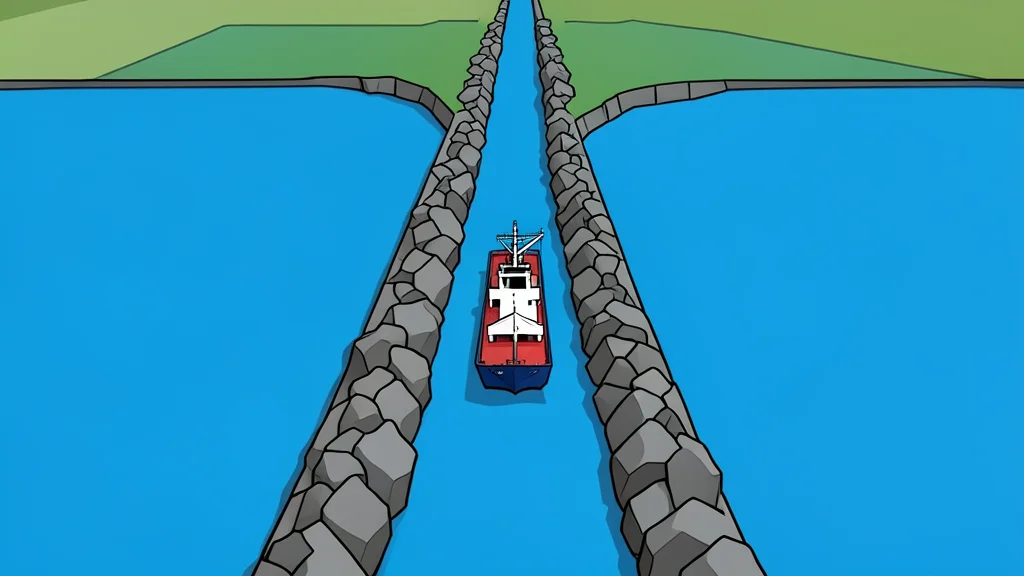
In a significant shift in the regional security architecture, Houthi forces have rapidly consolidated control over key maritime positions along Yemen’s western coastline. According to reports from GN auto geopolitics/africa: Horn of Africa, this offensive involved the capture of the port city of Mokha and several strategic islands, including Perim, Zuqar, and Hanish. This movement effectively places the eastern flank of the Bab el-Mandeb Strait under direct operational control of the group, marking a profound change in the status quo of one of the world’s most critical shipping lanes.
The strategic implications of this advance are far-reaching, as the Bab el-Mandeb corridor connects the Red Sea to the Gulf of Aden and the Indian Ocean. With the Houthis now commanding these vital chokepoints, the dynamics of global trade and regional power are being recalibrated. The situation has prompted a re-evaluation of security assumptions in the Horn of Africa, where maritime stability has long been a cornerstone of economic and diplomatic engagement.
Historical Context of the Movement
The current capabilities of the Houthi movement are the result of decades of evolution and external support. Originating as a religious and cultural revivalist group in the 1990s, the organization transformed into a battle-hardened military force following the Saada Wars. The group’s trajectory accelerated during the political instability of the Arab Spring, leading to the capture of Sana’a in 2014 and the subsequent Saudi-led coalition intervention in 2015. Despite years of air campaigns, the movement remained resilient, eventually consolidating its position in northern Yemen.
A crucial factor in this resilience has been the deepening partnership with Tehran. According to analysts, the group has evolved from a localized militia into a key pillar of Iran’s regional network, receiving significant intelligence, financial, and technological support. This includes advanced anti-ship missiles and unmanned aerial systems, which have expanded the group’s operational reach beyond Yemen’s borders. This external backing has allowed the Houthis to project power in ways that were previously limited to their home territory.
Impact on Global Trade Routes
The Bab el-Mandeb Strait is a critical artery for global commerce, handling a significant portion of seaborne trade, including crude oil and containerized freight. The Houthi movement’s declaration of a targeted maritime blockade against vessels bound for or originating from Saudi Arabian ports has sent shockwaves through international logistics. This disruption threatens not only the immediate flow of goods but also the broader economic stability of regions dependent on secure maritime access.
In response to concerns over commercial exploitation, the Houthi-run Humanitarian Operations Coordination Center issued a statement denying such claims. The group asserts that its actions are strictly targeted and do not aim to disrupt legitimate humanitarian or commercial traffic indiscriminately. However, the mere presence of advanced military assets in the strait creates an environment of uncertainty that affects insurance premiums and shipping schedules worldwide. The tension between military objectives and economic realities remains a central challenge in this evolving conflict.
Strategic Implications for the Region
The realignment in the Red Sea underscores the complex interplay of local grievances and regional power dynamics. For the Horn of Africa, the shift in control over Bab el-Mandeb represents both a security challenge and a potential opportunity for leveraging new diplomatic levers. The ability to influence maritime security has become a significant asset in regional negotiations, altering the traditional balance of power among coastal states.
Looking ahead, the focus will be on how international actors respond to this new reality. The consolidation of Houthi control over key islands and ports suggests a long-term strategic commitment rather than a temporary tactical move. Observers will watch for any diplomatic initiatives that might seek to de-escalate tensions while protecting the flow of global trade. The next steps will likely involve a mix of military deterrence and diplomatic engagement, as the region navigates this new and uncertain landscape.