Houthi Maritime Pressure Disrupts Red Sea Trade Routes
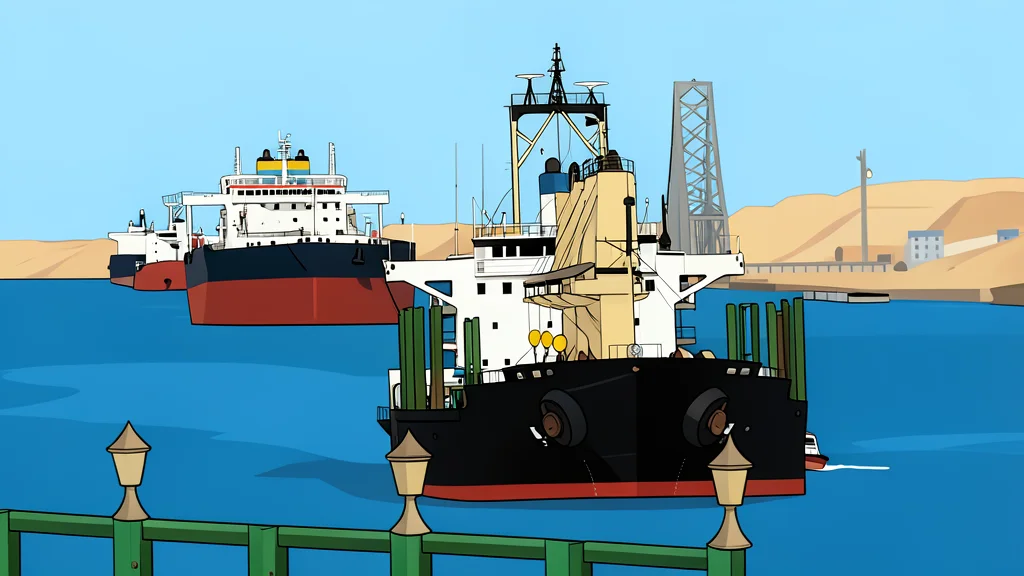
Yemeni rebels are tightening their grip on key sea lanes, raising fears for regional stability and global shipping costs.
The strategic landscape of the Red Sea is shifting as Yemeni Houthi forces expand their control over critical maritime corridors. According to recent statements from the group’s spokesperson, while general transit may be permitted, vessels associated with Saudi Arabia are explicitly barred from passing through specific stretches of the waterway. This targeted approach marks a significant escalation in the ongoing tensions between the rebels and their regional adversaries, placing a new layer of complexity on an already volatile security environment.
The implications of these moves extend beyond the immediate conflict zone, reaching into the economic heart of the region. By controlling the southern entrance to the Red Sea, including the island of Mayun, the Houthis have created a bottleneck that threatens to disrupt the flow of commerce between Asia and Europe. As noted by Deutsche Welle, this pressure is not only felt by Saudi Arabia but is increasingly impacting Egypt, where the Suez Canal serves as a vital source of national income. The delicate balance of maritime trade is now at risk, with potential consequences for global supply chains and regional economic stability.
Strategic Control Over Key Waterways
The Houthis have recently secured control over the Bab el-Mandeb Strait, a chokepoint located between Yemen and the Horn of Africa. This area is essential for ships entering the Red Sea. Although the group has not completely halted traffic, the number of vessels passing through has declined. Maritime intelligence data indicates that while daily transit numbers remain relatively stable compared to recent weeks, they have dropped significantly from levels seen in July. This suggests a deliberate strategy to signal power without causing a total blockade, thereby maintaining leverage over global shipping routes.
Analysts suggest that this level of control allows the rebels to influence traffic patterns without necessarily engaging in direct combat with every vessel. By holding the entrance to the Red Sea, they can dictate the terms of passage and potentially force shipping lines to consider alternative, longer routes. This tactical positioning gives them a powerful tool to exert pressure on regional powers and international actors, all while maintaining a degree of deniability regarding the extent of their interference.
Economic Impact on Suez Canal
For Egypt, the current situation poses a significant financial threat. The Suez Canal, which had been showing signs of recovery in recent months, is now facing renewed uncertainty. Previously, rising oil prices and the high costs of circumnavigating Africa had driven traffic through the canal, leading to a 23 percent increase in revenues for the 2025-2026 fiscal year. However, the renewed security crisis could reverse these gains. According to the International Monetary Fund, previous disruptions in 2024 had cost the canal approximately six billion dollars in earnings, a loss that Egypt is eager to avoid repeating.
Stephan Roll, a senior fellow at the German Institute for International and Security Affairs, notes that while the situation is problematic, it is not as dire as it was in 2023. However, the potential for further disruption remains high. If the Houthis decide to significantly disturb the connection between Asia and Europe, the impact on the Suez Canal could be severe. This would not only affect Egypt’s economy but also raise shipping costs globally, as companies seek to avoid the risk of being caught in the crosshairs of regional conflicts.
Regional Tensions and Oil Supply
Compounding the maritime issues is a separate but related development in the oil sector. Recent drone attacks, which Saudi Arabia has attributed to Iraqi groups, have damaged the east-west pipeline to the coastal city of Yanbu. This pipeline, which transported millions of barrels of oil daily, is now out of service for several weeks. The damage threatens to put a significant portion of global oil supply at risk, further destabilizing the region. This dual pressure on both maritime and land-based oil infrastructure highlights the interconnected nature of the current crisis.
As the situation evolves, the world watches closely for how these factors interact. The Houthis’ ability to disrupt shipping and the potential impact on oil supplies create a complex web of challenges for regional and global stakeholders. The next few weeks will be critical in determining whether these disruptions lead to a broader conflict or if diplomatic efforts can de-escalate the tensions. For now, the uncertainty remains, and the economic and geopolitical stakes continue to rise.