IAEC Chief Claims Iran Holds Tons of Unmonitored Nuclear Material
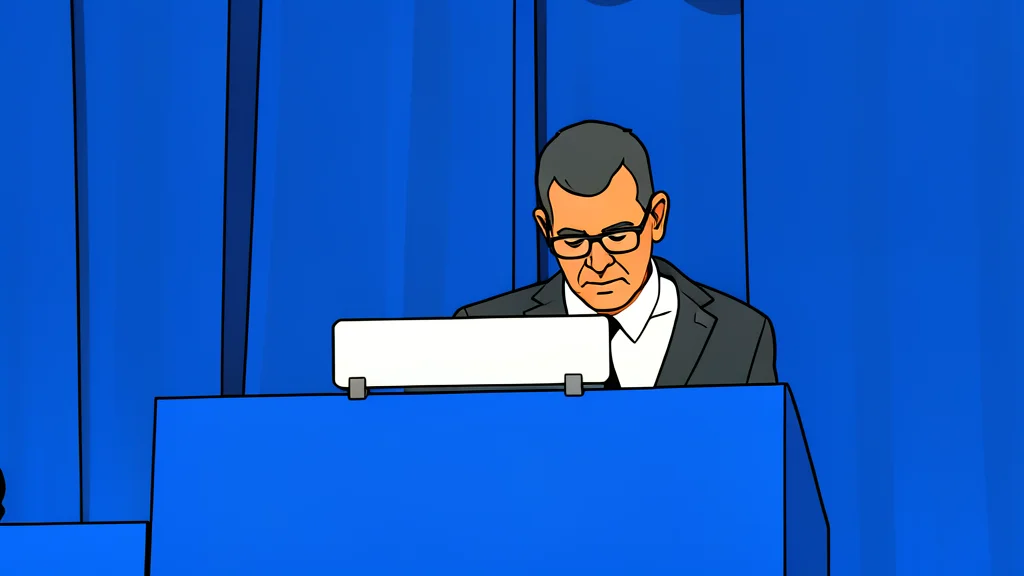
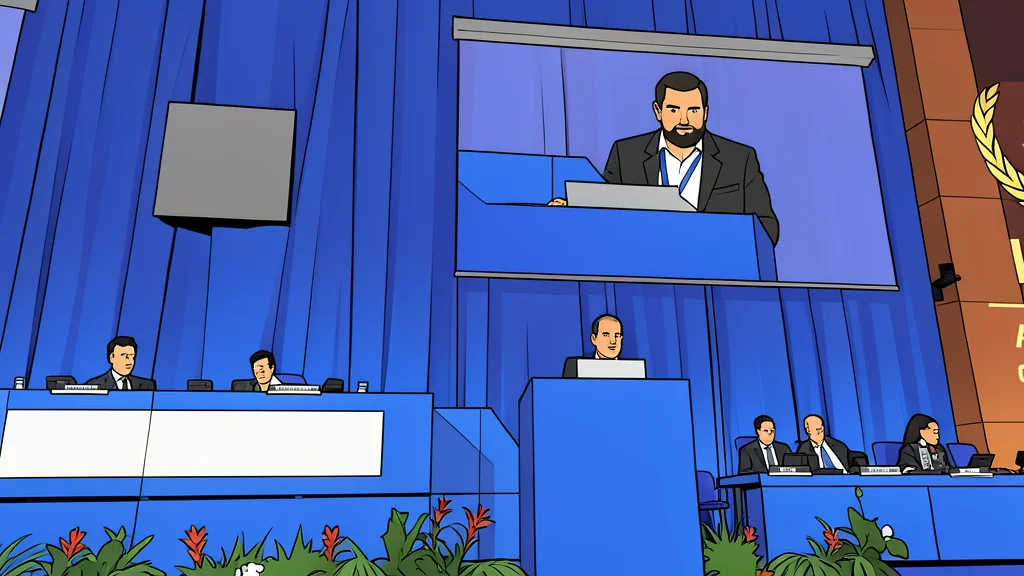
At the IAEA's 70th general conference, Israel's nuclear chief accused Tehran of maintaining a significant stockpile of enriched uranium outside international oversight, asserting that the material is sufficient for multiple weapons.
Moshe Edri, the Director-General of Israel’s Atomic Energy Commission, stated on Tuesday that Iran possesses more than nine tons of nuclear material that falls outside the safeguards of the International Atomic Energy Agency. Speaking during the agency's 70th general conference, Edri specified that this stockpile includes 440 kilograms of enriched uranium. He estimated that this quantity is equivalent to the material required for more than ten nuclear devices, a claim that underscores the scale of the unverified nuclear program.
The remarks come shortly after the IAEA board of governors passed a resolution to report Iran to the UN Security Council for breaching its non-proliferation obligations. This move marks the first time in two decades that the agency has taken such a step regarding Tehran. Iran has warned that it will retaliate against the resolution, although its initial diplomatic reaction did not explicitly detail the nature of such measures, creating a tense backdrop for ongoing multilateral discussions.
Accusations of Violating Security Council Resolutions
According to Edri, the Iranian government remains committed to expanding its military and missile capabilities in direct violation of UN Security Council mandates. He argued that Tehran has continued to rebuild missile production infrastructure while simultaneously attempting to fortify and hide its nuclear program. Edri described the regime as lawless, citing its use of drones against civil nuclear power plants and its threats against critical infrastructure in the region.
The Israeli official further pointed to Iran's support for proxy organizations, including Hezbollah, Hamas, and the Houthis, as evidence of a broader strategy to destabilize the region. He suggested that the regime repeatedly uses the threat of developing nuclear weapons as a leverage tool against Israel, the United States, and Gulf states. This perspective frames the current nuclear dispute not just as a technical safeguards issue, but as part of a wider geopolitical confrontation.
Calls to Remove Israeli Agenda Items
In a separate but related move, Edri called on the IAEA to cease including
He emphasized that the agency's mandate is strictly professional and technical, and that political issues should not be linked to the general conference discussions. This stance highlights the ongoing friction between member states regarding the scope of the IAEA's authority and the balance between non-proliferation monitoring and political neutrality in its proceedings.
Context of Prior Non-Compliance Actions
Edri also referenced the IAEA's historical efforts to address nuclear non-compliance in Syria, specifically praising Director-General Rafael Grossi for his handling of the situation during the Assad regime. He noted that had Israel not acted against the Dair Alzour reactor in 2007, the Syrian government would likely have acquired military nuclear capabilities by now. This historical example was used to illustrate the potential consequences of delayed international action on nuclear proliferation threats.
As the situation evolves, the focus now shifts to how the UN Security Council will respond to the IAEA's report. The coming weeks will likely see intensified diplomatic activity and potential new sanctions discussions. Observers will watch closely for any changes in Iran's nuclear activities and whether the reported stockpiles of enriched uranium lead to further escalation or renewed negotiations.