Iran Closes French Language Center Amid US Military Warnings

Tehran shut down a French institute on September 20. Officials cite security risks. This follows recent diplomatic tensions.
Key points
- Iran closed the French language center in Tehran on September 20, citing illegal operations.
- The closure coincided with Iranian military warnings about potential US combat operations.
- France expelled two Iranian diplomats in August following an attack on its staff.
Iranian authorities closed the Centre de Langue Française in Tehran on September 20. They also warned of possible US military action. Both events occurred on the same day. This timing suggests a coordinated response to external pressures.
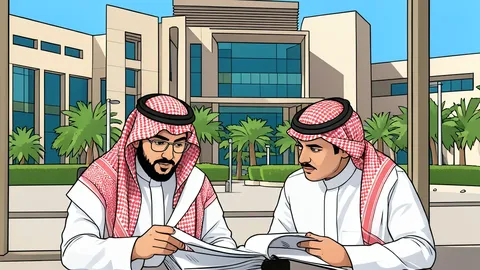
The closure targets a language school linked to the French Embassy. Officials accused it of illegal networking. They also blamed it for aiding skilled emigration. This action fits a broader pattern of restricting Western influence.
Timing aligns with security warnings
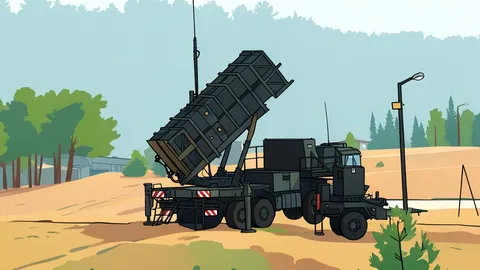
On September 20, Iran’s military command issued a warning. They claimed the US was preparing combat operations. Tehran threatened swift retaliation against American bases. This statement raised regional tensions significantly.
Judicial authorities acted on the same day. They ordered the closure of the French language center. According to meforum.org, this was not an isolated incident. It reflects a deliberate strategy to tighten internal controls.
Paris responds to diplomatic friction
France has taken retaliatory steps in response. In August, Paris expelled two Iranian embassy staff. This followed an attack on French diplomatic personnel. The cycle of retaliation is accelerating between the two nations.
Diplomatic channels remain open despite the friction. Both countries maintain working embassies. However, the relationship shows signs of a fundamental breakdown. Trust is eroding due to these recent actions.
Western presence faces security scrutiny
Tehran views cultural facilities through a security lens. In a context of economic distress, these institutions are suspect. They are seen as fostering connections with Western elites. This perspective drives the current crackdown.
Iran aims to eliminate internal vulnerabilities. This happens as nuclear talks stall. The regime prioritizes curbing foreign influence. It signals that diplomatic immunity will not shield soft power during a crisis.