Iran's Pickaxe Mountain Deepens Amid Nuclear Tensions
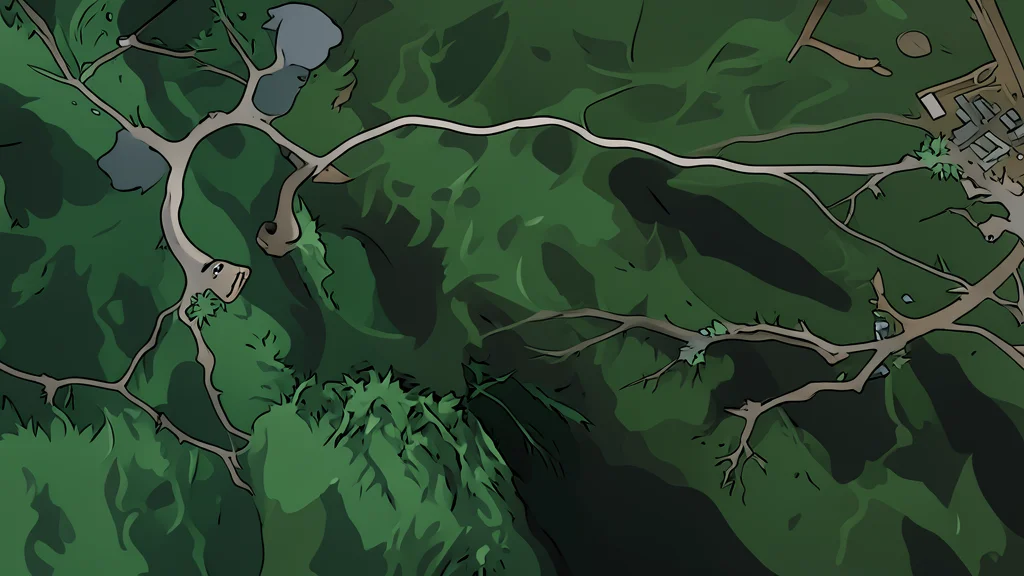
Satellite data suggests accelerated construction at a deep underground facility that escaped last year's strikes, raising questions about the limits of conventional weaponry.
Pickaxe Mountain, a nuclear facility located just south of Natanz, was notably absent from the list of targets struck during the joint U.S.-Israeli operations in mid-2025. While sites such as Fordow and Isfahan suffered significant damage, this site remained untouched. According to recent assessments, this omission may be linked to the facility's exceptional depth, which analysts believe places parts of the infrastructure beyond the effective reach of current U.S. bunker-busting munitions.
Despite the lack of direct strikes, activity at the site has reportedly intensified. Satellite imagery reviewed by security researchers indicates that construction work has reached historic highs following the previous military campaign. This surge in activity suggests that Tehran is accelerating efforts to harden the site, potentially moving sensitive equipment or expanding its capabilities in a move that complicates future diplomatic or military calculations.
Construction Accelerates After Strikes
Joseph Rodgers, a researcher at the Center for Strategic and International Studies, noted that the pace of work at Pickaxe Mountain has been the most significant recorded since the site's inception. Imagery from late July and early August shows the addition of earthen barriers on roads leading to western tunnels. Furthermore, hardened portals and increased debris removal suggest a systematic effort to improve access and security for the underground complex.
Israeli intelligence claims, cited by Rodgers, indicate that centrifuges were moved into the facility last fall. This provides circumstantial evidence that Tehran may be considering expanded activity, including the enrichment of uranium or the relocation of nuclear research. The absence of international inspectors, who have never been granted access to the site, leaves the precise nature of the operations there a matter of speculation and concern.
Depth Limits Weapon Effectiveness
The primary reason Pickaxe Mountain may have been spared in previous operations is its physical location. Analysts estimate that sections of the facility are buried between 80 and 100 meters beneath a granite mountain. This depth potentially exceeds that of the Fordow facility, which was targeted in 2025. Such a depth poses a significant challenge for conventional earth-penetrating weapons, raising questions about the feasibility of destroying the site through aerial bombardment alone.
Behnam Ben Taleblu, a senior director at the Foundation for Defense of Democracies, suggested that the window of opportunity to damage the site through conventional means may have narrowed. The site's location in rugged terrain and its deep burial create a defensive advantage that is difficult to overcome with existing munitions. This tactical reality adds a layer of complexity to the strategic debate over how to address Iran's nuclear program.
Diplomatic Implications And Next Steps
The situation at Pickaxe Mountain underscores the limitations of kinetic action in resolving the broader nuclear issue. As noted by Rodgers, bombing alone will not end the nuclear program. Instead, it may force Tehran to dig deeper and hide more effectively, potentially leading to a much larger conflict if diplomatic solutions fail. The site remains a focal point for discussions between Washington and Tehran, with the potential for strikes or negotiations hanging in the balance.
Observers will closely monitor satellite imagery in the coming months for further signs of construction or movement. The outcome will depend on whether diplomatic channels can reopen and address the underlying security concerns. As the geopolitical landscape remains volatile, the status of Pickaxe Mountain serves as a critical indicator of the trajectory of the U.S.-Iran relationship. The next steps will likely involve a careful balance between military readiness and diplomatic engagement.