Ukraine's Wartime Speed Highlights Western Peacetime Bureaucracy
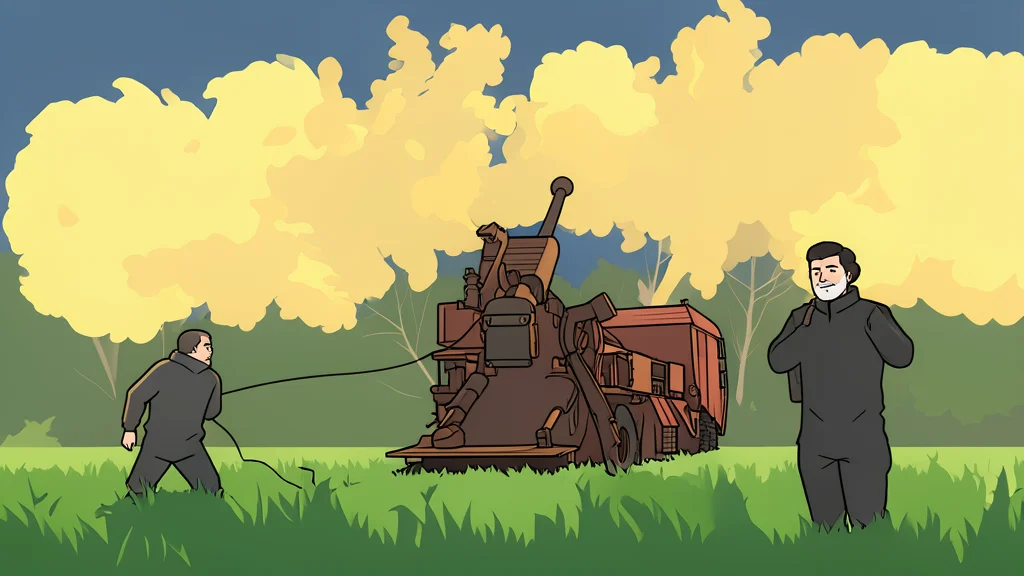
NATO trainers in Poland report that Ukraine's rapid operational tempo is exposing significant inefficiencies in Western military procurement and planning processes.
NATO personnel working with Ukrainian forces have observed that the speed of wartime adaptation in Kyiv contrasts sharply with the slower, bureaucratic pace of Western peacetime mechanisms. This discrepancy has become a focal point for multinational training efforts, where the need for immediate effectiveness is clashing with long-standing administrative procedures.
According to NATO trainers, the current situation is forcing a reevaluation of how Western militaries approach innovation and procurement. The rapid evolution of tactics on the front lines is creating pressure to modernize systems that have traditionally relied on extended planning horizons and rigid regulatory frameworks.
Operation Legio Adapts to Wartime Tempo
Operation Legio, a multinational initiative led by Norway, serves as a primary venue for this exchange. Training takes place at Camp Jomsborg in eastern Poland, where Ukrainian troops receive instruction while simultaneously sharing battlefield lessons with their NATO counterparts. The operation aims to synchronize training with the operational realities of an ongoing conflict, rather than relying on static peacetime curricula.
Military officers involved in the program describe the environment as a difficult middle ground between active war and peacetime mechanics. They note that while Western forces are accustomed to long-term planning, their Ukrainian partners require immediate results. This dynamic has led to significant adaptations in how the camp is constructed and how training modules are updated in response to evolving threats.
Procurement Processes Face Scrutiny
A major point of frustration cited by commanders is the time required for software updates and equipment modifications in Western systems. In contrast to the rapid iteration cycles seen in Ukraine, where engineers often work close to the front lines, Western processes can take months to implement changes. This gap is seen as a critical vulnerability in preparing for future high-intensity conflicts.
According to GN geopolitics/nato, leaders argue that current regulations often stifle the innovation necessary for modern warfare. They suggest that reducing bureaucratic hurdles and increasing risk tolerance could allow Western militaries to compete more effectively. The goal is to transfer the agile mindset observed in Ukrainian forces back to NATO member states.
Future Watch Points for Reform
The next phase of this transformation will likely involve legislative changes and structural reforms within Western defense establishments. Observers will watch for shifts in procurement laws and increased collaboration between military engineers and industry partners. The success of these reforms will determine whether Western forces can match the adaptive speed currently demonstrated by their Ukrainian counterparts.