Germany Approves Fuel Discount and Receives First F-35 Jet
Berlin implements a tax cut to mitigate fuel price spikes while Defense Minister Pistorius receives the country's first stealth fighter in Texas.
The German coalition government has finalized a temporary relief package to address surging fuel costs, a move intended to stabilize public sentiment ahead of two significant state elections this weekend. According to government sources cited by DPA news agency, the tax on gasoline and diesel will be reduced by 17 cents per liter starting in October, with a broader price cap mechanism scheduled for implementation in January 2027. This decision follows intense negotiations between federal and state authorities aimed at alleviating the financial burden on motorists during a period of economic volatility.
The urgency of this measure is underscored by the geopolitical instability surrounding global energy routes. Deutsche Welle reports that the spike in prices is driven by the conflict in Iran, where the Strait of Hormuz has been restricted, and subsequent attacks by Houthi forces on shipping lanes in the Red Sea. Chancellor Friedrich Merz, whose approval ratings have recently declined, had pledged to provide swift solutions to these domestic challenges. The timing of the announcement, just two days before voting in Mecklenburg-Western Pomerania and Berlin, highlights the political pressure facing the center-right CDU as it faces competition from the rising far-right AfD party.
Stealth Capability Marks Air Force Shift
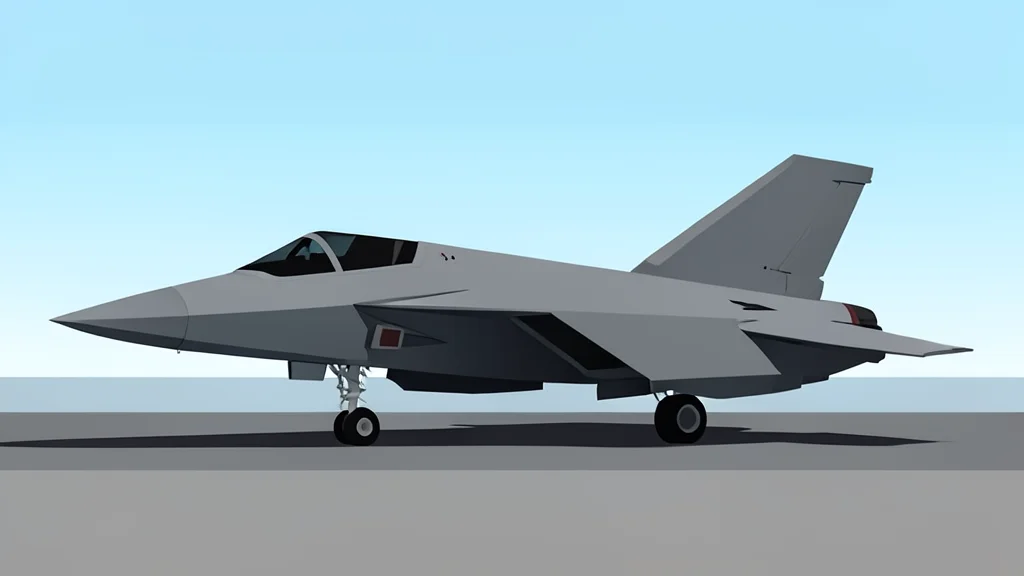
In a parallel development signaling a broader military modernization effort, Defense Minister Boris Pistorius attended a ceremony in Fort Worth, Texas, to receive Germany’s first F-35 stealth fighter. This aircraft is the first of a 35-jet contract signed in 2022, designed to replace the aging Tornado fleet. Pistorius described the handover as the beginning of a new era for the German Air Force, citing the jet’s low-observability features and advanced sensor integration as critical assets for future defense operations.
The acquisition of these advanced combat aircraft reflects a wider trend in Europe, where nations are increasing defense spending in response to pressure from the United States and the ongoing war in Ukraine. The F-35’s design, which includes specialized coatings to reduce radar signatures, represents a significant shift in the technological capabilities available to Berlin. This modernization is part of a broader strategy to enhance interoperability with allied forces and ensure the German military can meet contemporary security threats.
Political Pressure and Security Concerns
The fuel relief measures and military updates occur against a backdrop of intense political scrutiny. Polls indicate that a significant portion of the German public expects Chancellor Merz to step down, a sentiment that has emboldened his political opponents. The government’s response to the energy crisis is therefore seen as a critical test of its administrative competence and its ability to maintain public trust while navigating complex international relations.
Security concerns in Germany have also risen, as evidenced by recent incidents targeting Jewish institutions. In Wuppertal, prosecutors have identified clear signs of antisemitism in the case of a synagogue arson attempt, with the suspect facing charges for attempted aggravated arson. These events, alongside the economic and military developments, illustrate the multifaceted challenges the German government currently faces, requiring a balanced approach to domestic stability, international defense commitments, and the protection of civil rights.
Elections and Future Outlook
As voters head to the polls in Mecklenburg-Western Pomerania and Berlin, the outcome of these elections will likely provide further insight into the political landscape. The success of the fuel discount policy in calming public discontent will be a key metric for the government’s performance. Meanwhile, the integration of the F-35 fleet into the German Air Force will continue, marking a long-term commitment to modernizing the country’s defense infrastructure. Observers will watch how these domestic and military strategies interact in the coming months, particularly as the government seeks to consolidate its position amidst rising political fragmentation.