Iran's Shift from Restraint to Counter-Escalation
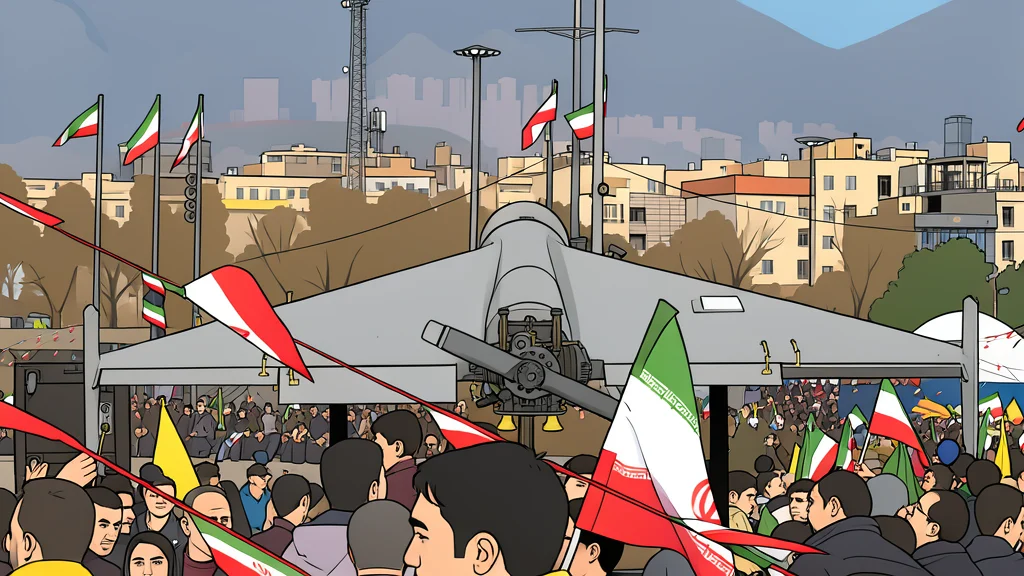
Tehran is abandoning its previous strategy of strategic patience, signaling a move toward more immediate and forceful responses to perceived threats.
Iran’s security establishment appears to be undergoing a significant doctrinal transformation, moving away from the calibrated restraint that characterized its approach in previous years. According to the Quincy Institute for Responsible Statecraft, this shift follows recent conflicts with the United States and Israel, leading to a new emphasis on imposing immediate costs on adversaries rather than delaying responses to preserve diplomatic space.
This change in posture is marked by official statements suggesting that the era of proportionate responses has ended. Instead of seeking to contain escalation through silence or limited action, Tehran now aims to transform the regional security order by demonstrating that aggression will trigger faster and heavier countermeasures. This represents a fundamental break from the strategic patience that many analysts previously assumed remained central to Iranian decision-making.
Doctrinal Break from Previous Restraint
For years, influential elements of Iran’s leadership favored diplomatic openness and military restraint, believing that limiting escalation would preserve room for negotiation with Washington. However, the withdrawal of the United States from the Joint Comprehensive Plan of Action and subsequent military engagements have led Tehran to question the efficacy of this approach. The recent wars are now viewed within Iran’s security circles as catalysts that consolidated a new belief: that restraint without a credible willingness to impose costs invites further aggression rather than deterring it.
This retrospective assessment has reshaped how Iranian officials view their interactions with regional shocks, including the assassinations of key figures and political upheavals in neighboring states. The consensus among government-aligned analysts is that the old model of delayed decision-making failed to protect national interests. Consequently, the center of gravity within the establishment has shifted decisively toward a more assertive posture that prioritizes immediate deterrence over long-term diplomatic positioning.
Implications for Regional Security Architecture
The emerging strategy aims to institutionalize a broader equilibrium of economic stability while allowing Iran to maintain coercive leverage. This approach does not necessarily preclude diplomacy, but it seeks to pair negotiations with the credible threat of force. By establishing a framework where aggression generates immediate multi-theater costs, Tehran intends to reshape the Middle East’s security landscape in its favor, ensuring that any future violations of its interests are met with disproportionate pain.
Washington faces a complex dilemma in response to this shift. Meeting Iranian escalation with greater military force risks reinforcing the cycle of counter-escalation that Tehran is now prioritizing. Such a response could leave neighboring states and critical energy infrastructure exposed to the collateral costs of a widening conflict. Analysts suggest that a more comprehensive settlement would require ending strikes, returning to good-faith negotiations, and providing credible follow-through on commitments to break the cycle that contributed to this assertive military posture.
Forward Challenges for Diplomatic Engagement
The path forward remains uncertain as both sides adjust to the new strategic reality. Iran’s emerging theory of deterrence leaves room for de-escalation if reciprocal restraint can be established, but it demands that its coercive leverage be recognized. For policymakers, the key challenge is distinguishing between genuine diplomatic overtures and tactical maneuvers designed to maximize leverage. The coming months will likely test whether the new doctrine can coexist with a stable regional order or if it will lead to persistent friction.