Iranian President Accuses US of Terrorism as Delegation Walks Out
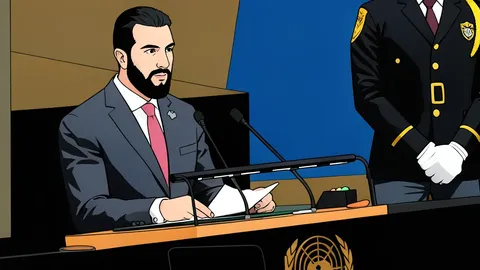
Pezeshkian addressed the UN General Assembly, claiming victimhood in conflicts with Israel and the US, prompting a walkout by American diplomats.
Key points
- Iranian President Pezeshkian accused the US and Israel of terrorism and aggression during his UN General Assembly speech.
- The American delegation walked out of the hall, mirroring the Iranian delegation's exit during President Trump's address the day before.
- Pezeshkian defended Iran's nuclear program and military buildup as defensive measures, warning that attacks on Iranian territory would be answered.
Iranian President Masoud Pezeshkian delivered a sharp critique of the United States and Israel during his address to the United Nations General Assembly in New York on Wednesday. According to Israel National News, the speech marked a significant escalation in rhetoric, with Pezeshkian accusing both nations of terrorism and aggression while framing Iran’s recent military developments as strictly defensive measures.
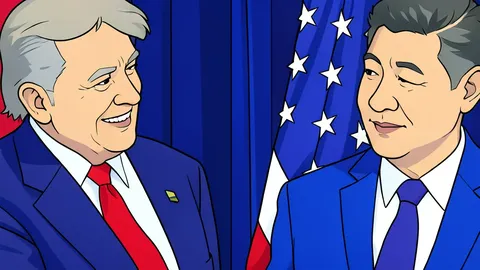
The diplomatic friction was immediate and visible, as the American delegation exited the assembly hall during the president’s remarks. This withdrawal mirrored a reciprocal action taken the previous day, when members of the Iranian delegation left the chamber while US President Donald Trump spoke about Iran and warned of potential further actions against the Islamic Republic.
Reciprocal Accusations of Aggression
Pezeshkian opened his address by directly responding to Trump’s earlier comments, asserting that the US president had labeled Iran as terrorists despite Tehran’s position as a victim of such acts. The Iranian leader displayed images of children he stated were killed in American and Israeli strikes, specifically referencing an attack on a sports hall in the city of Lamerd. He argued that those who harbor and train terrorists are the true perpetrators, while Iran has only acted to defend its sovereign territory.
The president further accused the US and Israel of targeting civilian infrastructure, including universities, medical centers, and schools. He cited the assassination of former Hamas political leader Ismail Haniyeh in Tehran in 2024 as evidence of what he described as state-sponsored terrorism. Pezeshkian contended that these actions undermine the legitimacy of the accusers, questioning why nations engaging in targeted killings are not themselves labeled as sources of instability.
Nuclear Program and Regional Security
Turning to Iran’s strategic capabilities, Pezeshkian defended the country’s nuclear program, rejecting external restrictions on what Tehran describes as peaceful development. He stated that nuclear technology is essential for Iranian medicine, agriculture, and energy generation, and argued that such advancements should not be the exclusive domain of a select few nations. The president insisted that Iran would not surrender its inherent rights while simultaneously ruling out the pursuit of nuclear weapons.
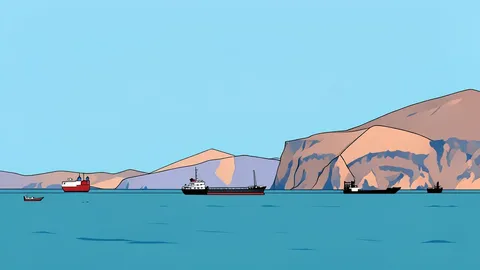
The address also addressed the strategic importance of the Strait of Hormuz, with Pezeshkian warning against a scenario where other nations enjoy free access to the waterway while Iran faces restrictive measures. He emphasized that Iran seeks stability and strong neighboring countries rather than regional conflict, but warned that any military pressure would be met with resistance. The president concluded that expanding warfare does not yield security, urging for a just resolution to the Israeli-Palestinian conflict as a prerequisite for peace in the Middle East.
Diplomatic Tensions at the UN
The walkout by the US delegation highlights the deepening divide between Washington and Tehran on the international stage. While Pezeshkian framed Iran’s stance as a necessary defense in a world where weaker states are vulnerable, the US delegation’s departure signaled a refusal to engage with what they likely viewed as inflammatory rhetoric. This reciprocal display of disengagement underscores the challenge of maintaining diplomatic channels amid ongoing geopolitical tensions.
As the General Assembly session continues, observers will watch for further reactions from other member states and any potential follow-up statements from the US State Department. The incident serves as a reminder of the delicate balance required in multilateral forums, where personal attacks and mutual accusations can quickly derail broader discussions on global security and human rights. The coming days may see increased diplomatic activity or further rhetorical escalations depending on how both sides interpret these recent developments.