Oil Markets React to Middle East Escalations and Diplomatic Delays

Crude benchmarks rose as regional hostilities intensified and a scheduled diplomatic session involving Gulf states and Iran was postponed.
Oil prices experienced a significant increase in early Asian trading on Monday, driven by concerns over potential prolonged supply disruptions in the Middle East. The market reaction was triggered by continued military actions in the region and the announcement that a critical meeting between Gulf states and Iran had been delayed. While initial gains saw benchmarks jump by more than three percent, prices stabilized somewhat later in the session. According to market data, WTI futures traded at $102.2 per barrel, representing a rise of 2.16 percent, while Brent futures climbed 2.14 percent to $106.8 per barrel.
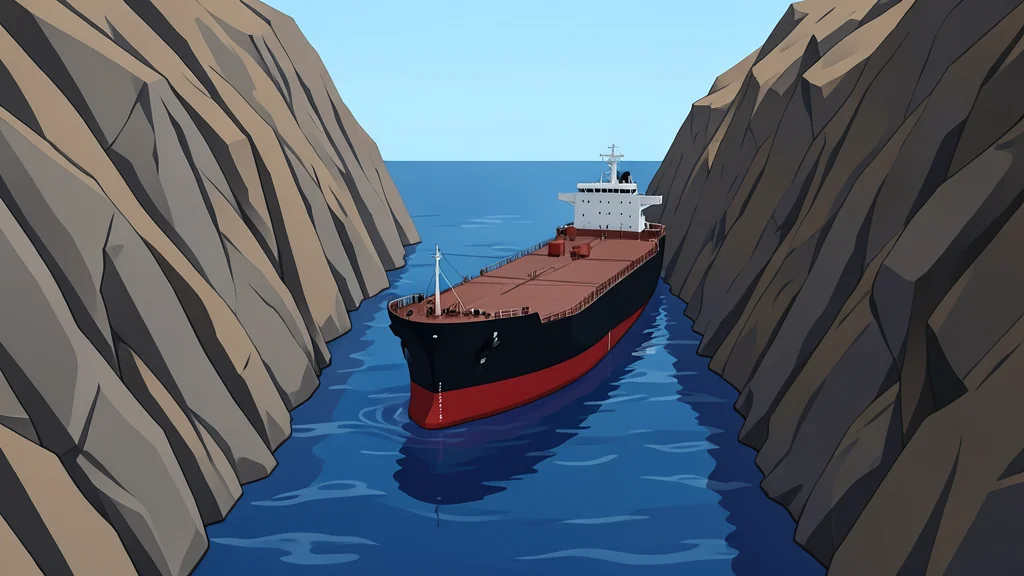
The price movement follows a weekend of heightened tensions, during which the Houthis claimed responsibility for a large-scale missile and drone attack targeting Saudi Arabia. The group stated that a military base in Sharurah was struck, although Saudi state media did not confirm this specific impact, reporting instead that a projectile landed in the Jazan region. These events mark the latest escalation in the broader conflict involving Saudi Arabia and Iranian proxies, following a drone strike on the East-West Pipeline last week. Simultaneously, the UK Maritime Trade Operations issued an alert regarding a vessel hit by an unknown projectile in the Strait of Hormuz, with subsequent reports suggesting an Iranian cargo ship was involved.
Diplomatic Talks Postponed Amidst Stalemate
Adding to the uncertainty in oil markets, Omani Foreign Minister Badr Albusaidi announced that a meeting scheduled for Monday between Gulf states and Iran has been postponed. The delay was attributed to a lack of consensus among the participating parties. This session was expected to be the first high-level diplomatic engagement between GCC diplomats and their Iranian counterparts since the current conflict began. The primary agenda item was a potential agreement between Iran and Oman concerning the temporary management of shipping traffic through the Strait of Hormuz, a vital artery for global energy exports.
Supply Risks from Pipeline Damage
Investors remain concerned about the physical infrastructure supporting global oil exports, particularly following last week's attack on Saudi Arabia's East-West Pipeline. The Kingdom was forced to close this critical route, which is one of the region's most important channels for crude oil leaving the area. Traders estimate that if the pipeline is not reopened within days, up to four percent of the world's oil supply could be lost. The extent of the damage remains unclear, with reports indicating that multiple pumping stations were targeted by drones launched from Iraq. This incident has heightened fears that regional instability could translate into tangible deficits in the global energy market.
Strategic Control of Waterways Intensifies
Beyond the pipeline, the threat to Saudi oil supply extends to the control of key maritime chokepoints. The Houthis have expanded their territorial presence in Yemen, increasing their influence over the Bab el-Mandeb Strait. Notably, the group recently took control of the strategically significant Perim island. This position allows them to monitor and potentially threaten shipping in the Red Sea, further complicating the logistical landscape for energy transporters. As these dynamics unfold, the interplay between military escalation and diplomatic breakdown continues to shape the outlook for global energy security.
Looking ahead, the focus will remain on the status of the East-West Pipeline and whether diplomatic channels can be restored to de-escalate tensions in the Strait of Hormuz. The postponement of the Gulf-Iran talks suggests that immediate resolution is unlikely, leaving markets exposed to further volatility. Analysts from GN auto geopolitics/middle-east: Middle East diplomacy note that the next few days are critical for assessing whether military actions will lead to a broader regional conflict or if a fragile equilibrium can be maintained. The outcome will depend heavily on the willingness of all parties to engage in dialogue and the pace of infrastructure repairs.