Oman Tanker Shuttles Move 2.5M Barrels Daily Amid Conflict
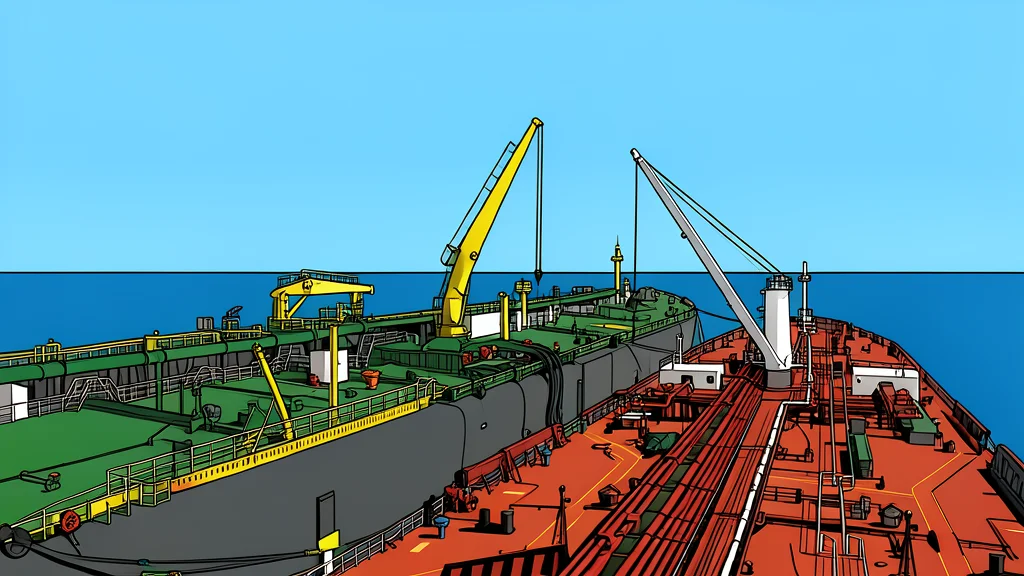
Ship-to-ship transfers in the Gulf of Oman now handle 40% of Hormuz oil exports, creating a costly but vital logistics lifeline for global markets.
Key points
- Ship-to-ship transfers in the Gulf of Oman now handle 2.5 million barrels per day, accounting for 40% of Hormuz exports.
- UAE exports are projected to hit 3.6 million barrels per day in September, surpassing the 2025 average due to shuttle operations.
- Brent crude prices exceeded $108 per barrel as Saudi and UAE producers relied on STS routes to bypass Red Sea and Hormuz risks.
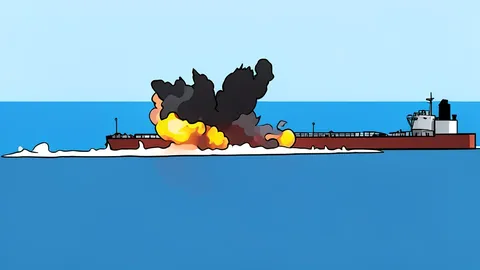
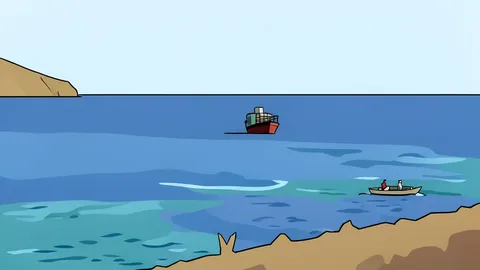
Rows of tankers anchored miles off the coast of Oman are creating a floating bridge that keeps Middle East oil flowing despite escalating regional tensions. According to Marine News Magazine, this ship-to-ship (STS) transfer system has become a critical adaptation strategy, allowing producers to bypass the dangers of the Strait of Hormuz while maintaining export volumes to Asian refineries.
The operation involves smaller vessels shuttling crude from Gulf terminals to safer waters, where larger 'mother vessels' await to take over the cargo for the long journey to market. This complex logistics network emerged as a response to the inability or unwillingness of shipowners to transit active conflict zones, turning an emergency workaround into a structural feature of the global energy supply chain.
STS Transfers Become Standard Practice
Data from Kpler indicates that approximately 2.5 million barrels per day of crude are expected to be loaded via STS transfers in the Gulf of Oman in September. This represents a significant jump from 1.4 million barrels per day in August and accounts for roughly 40% of the total volumes currently moving through the Strait of Hormuz. Before the recent conflicts, such large-scale shuttle operations were rarely utilized, highlighting a rapid shift in industry norms.
The shift is driven by the need to minimize the distance any single vessel must travel through high-risk waters. By splitting the voyage, producers reduce the exposure of individual tankers to potential threats. This method allows for continuous flow even as insurance premiums and risk assessments remain elevated, ensuring that supply chains do not completely sever despite the geopolitical instability surrounding the strait.
Major Producers Drive Export Volumes
Abu Dhabi National Oil Company was among the first to develop this workaround, beginning the use of shuttle tankers in April to move crude to the Gulf of Oman. This strategy maximized the utility of a limited tanker fleet. Consequently, UAE oil exports in September are projected to reach 3.6 million barrels per day, exceeding the 2025 average of 3.4 million barrels per day, demonstrating the efficacy of the new logistics model.
Saudi Aramco has also increasingly adopted STS operations, particularly as disruptions in the Red Sea have limited alternative export routes. Recent attacks on infrastructure and tightening controls by Houthi forces in the Bab el-Mandeb Strait have pushed Brent crude prices above $108 per barrel. To maintain market share, Saudi producers have informed buyers that shipments will continue via the Omani STS route, further cementing the system's importance.
Costs Rise Amidst Operational Complexity
While the system has prevented a total collapse in exports, it introduces significant cost and complexity to the energy market. The requirement for multiple vessels, coordinated transfers, and extended anchorage times increases operational expenses for producers and carriers. This adaptation serves as a testament to the industry's resilience, yet it also signals that moving oil from the world's most critical exporting region has become a far more delicate and expensive process.
The future of this arrangement remains uncertain, hinging on whether the STS model remains a temporary stopgap or evolves into the new normal for Gulf exports. As regional conflicts persist and alternative routes face their own pressures, the reliance on these floating transfer hubs is likely to grow, fundamentally altering the geography of global oil logistics.